
205 results
-
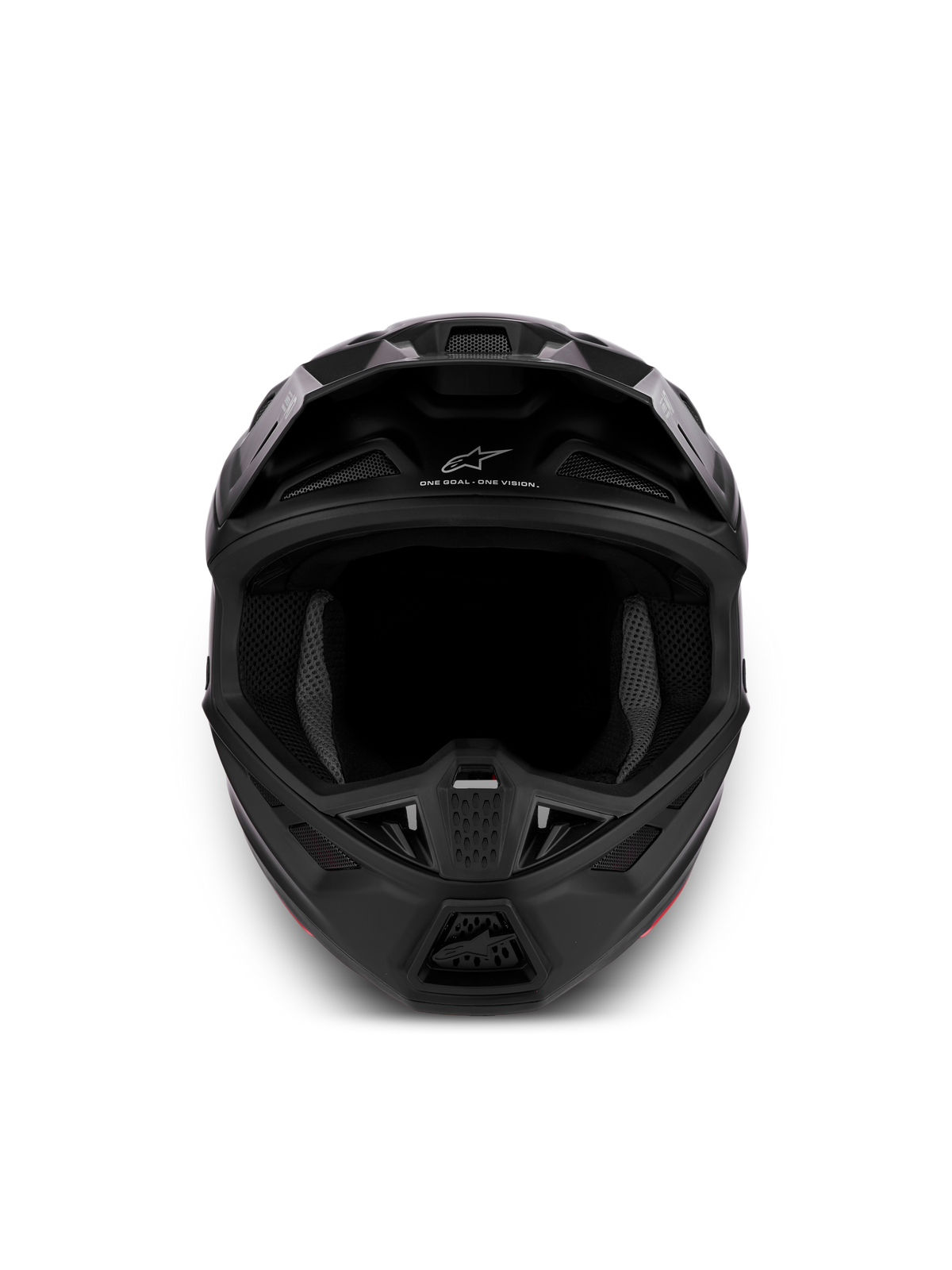
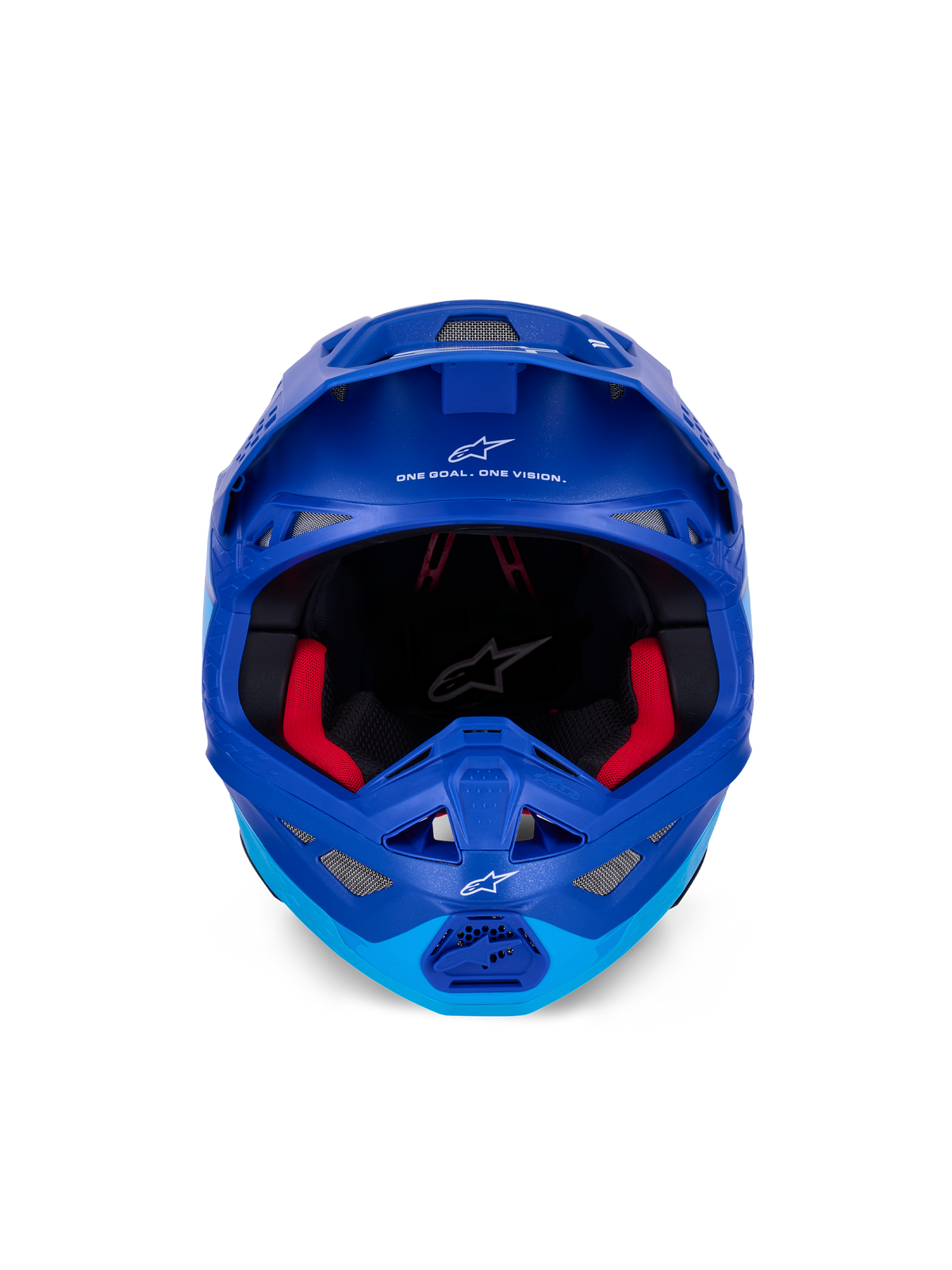
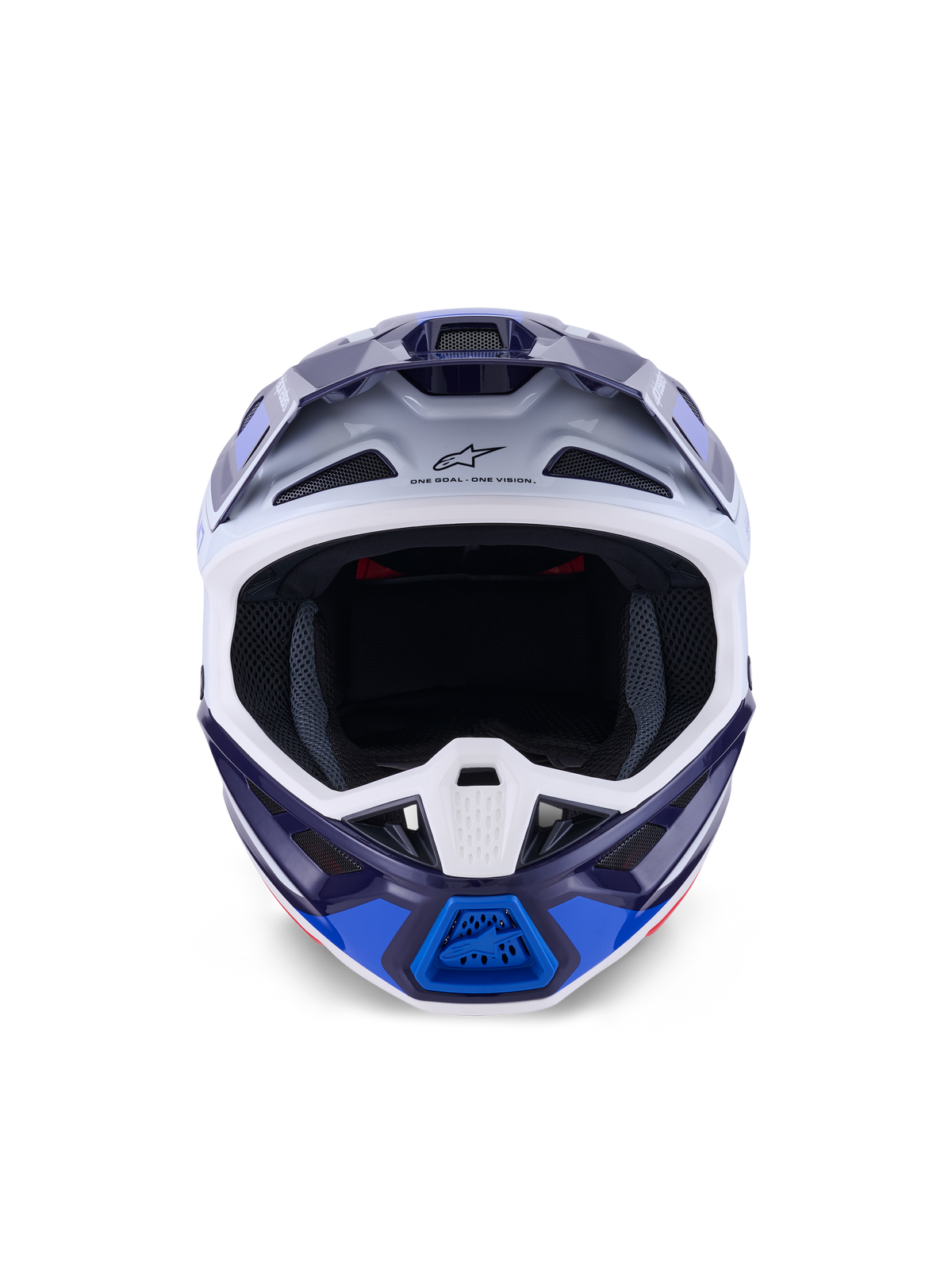
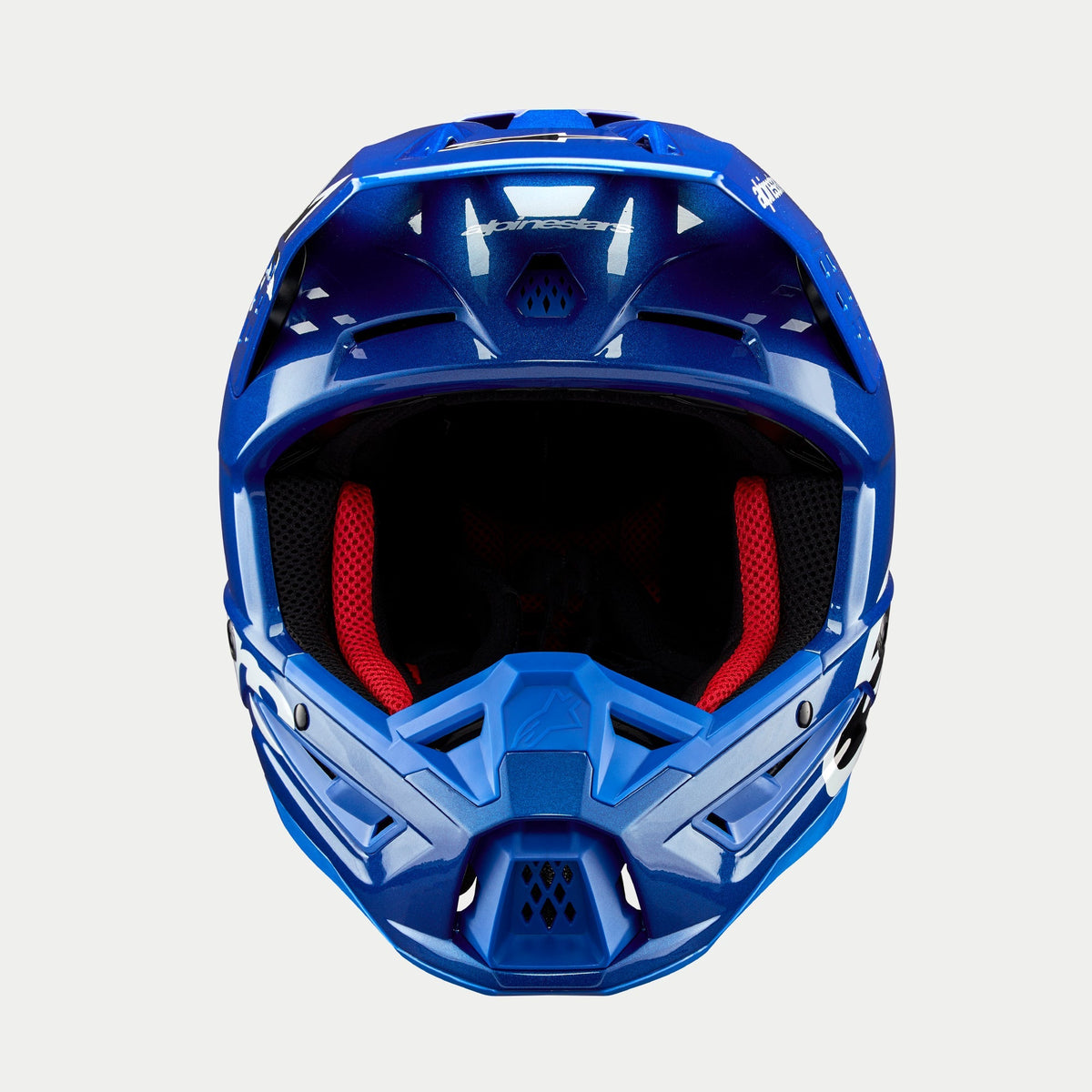
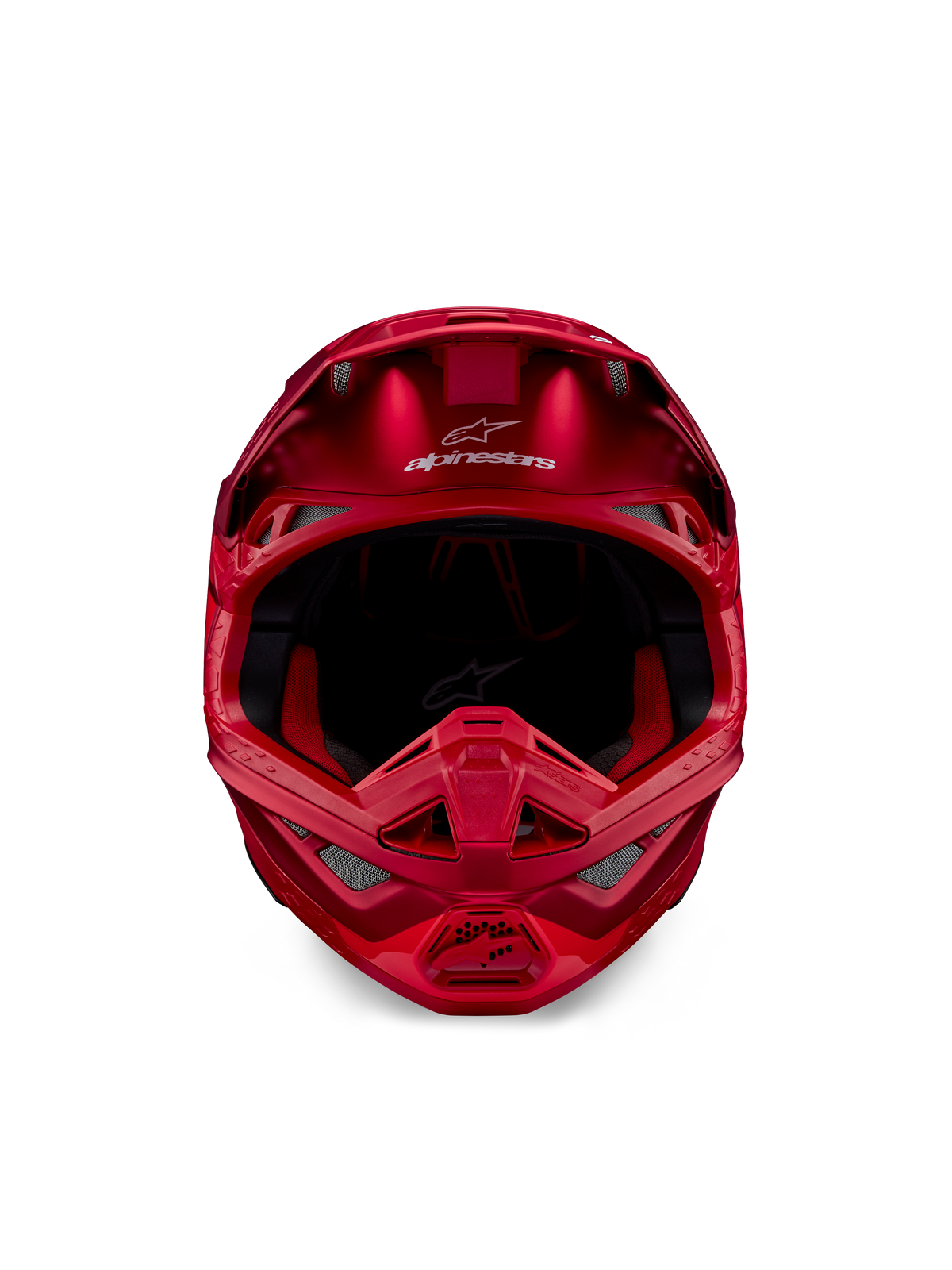
S-M7 Solid Helmet ECE 22.06 -
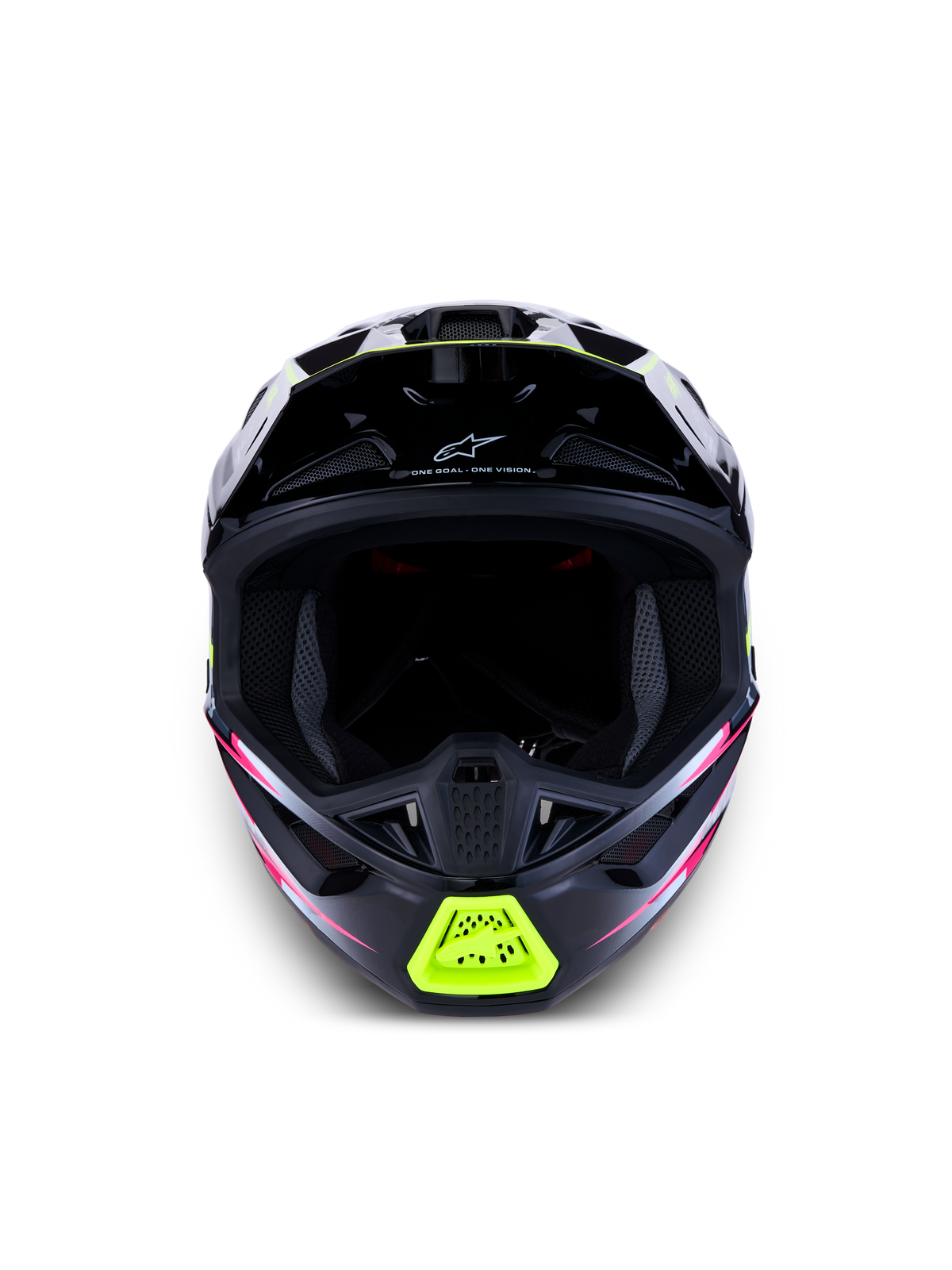
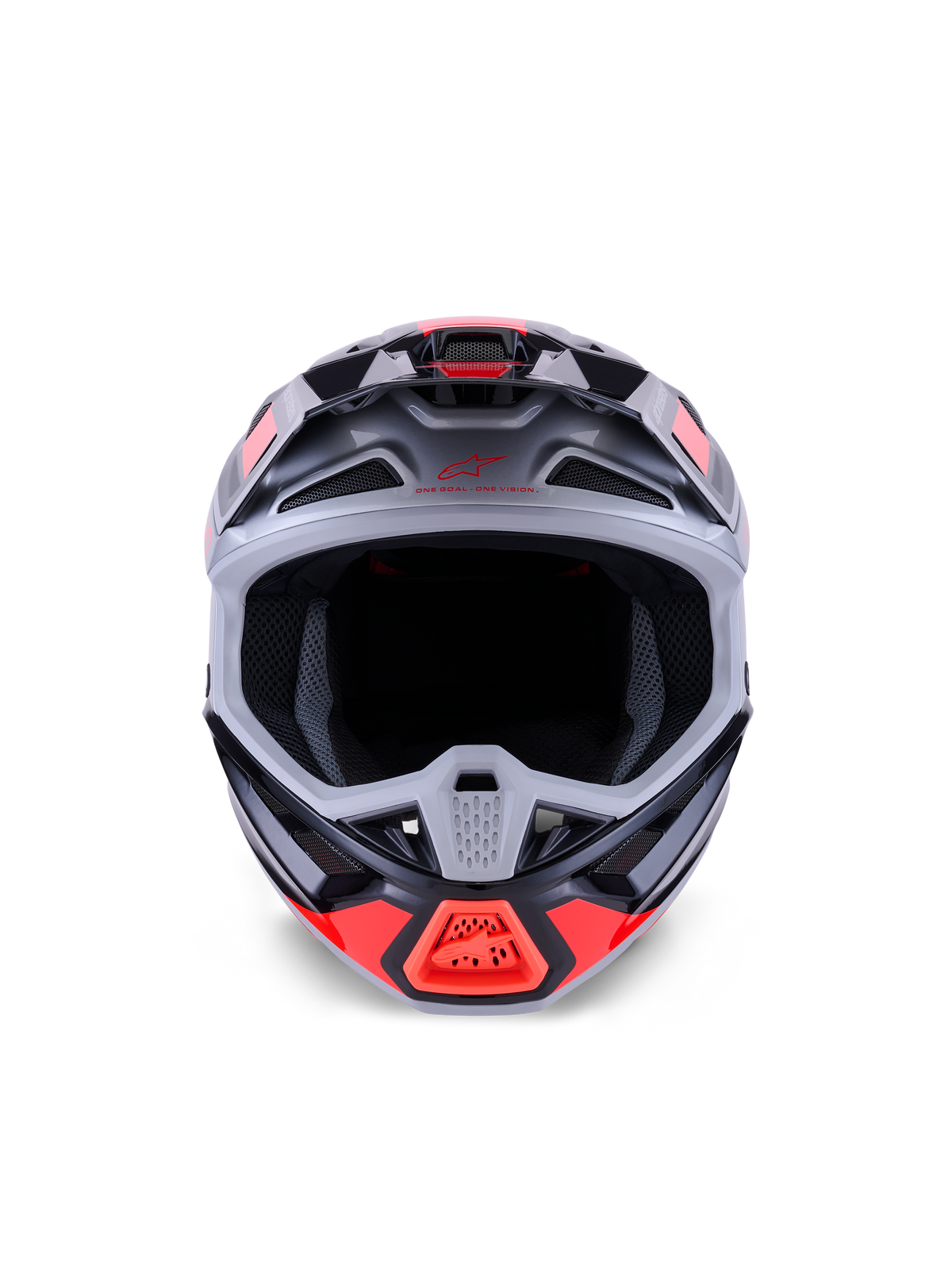
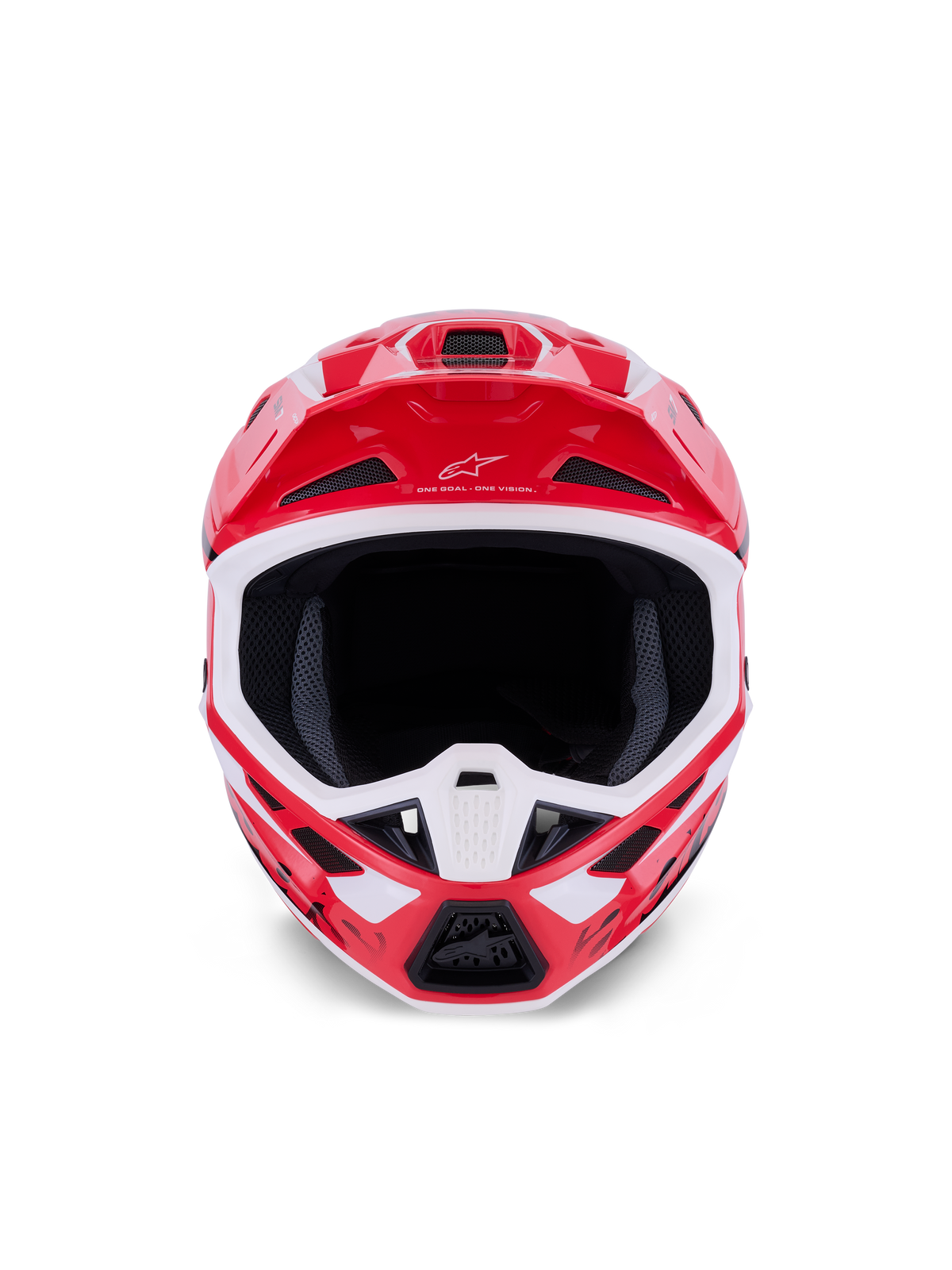
S-M7 Blaster Helmet ECE 22.06 -
S-M7 Blaster Helmet ECE 22.06 -
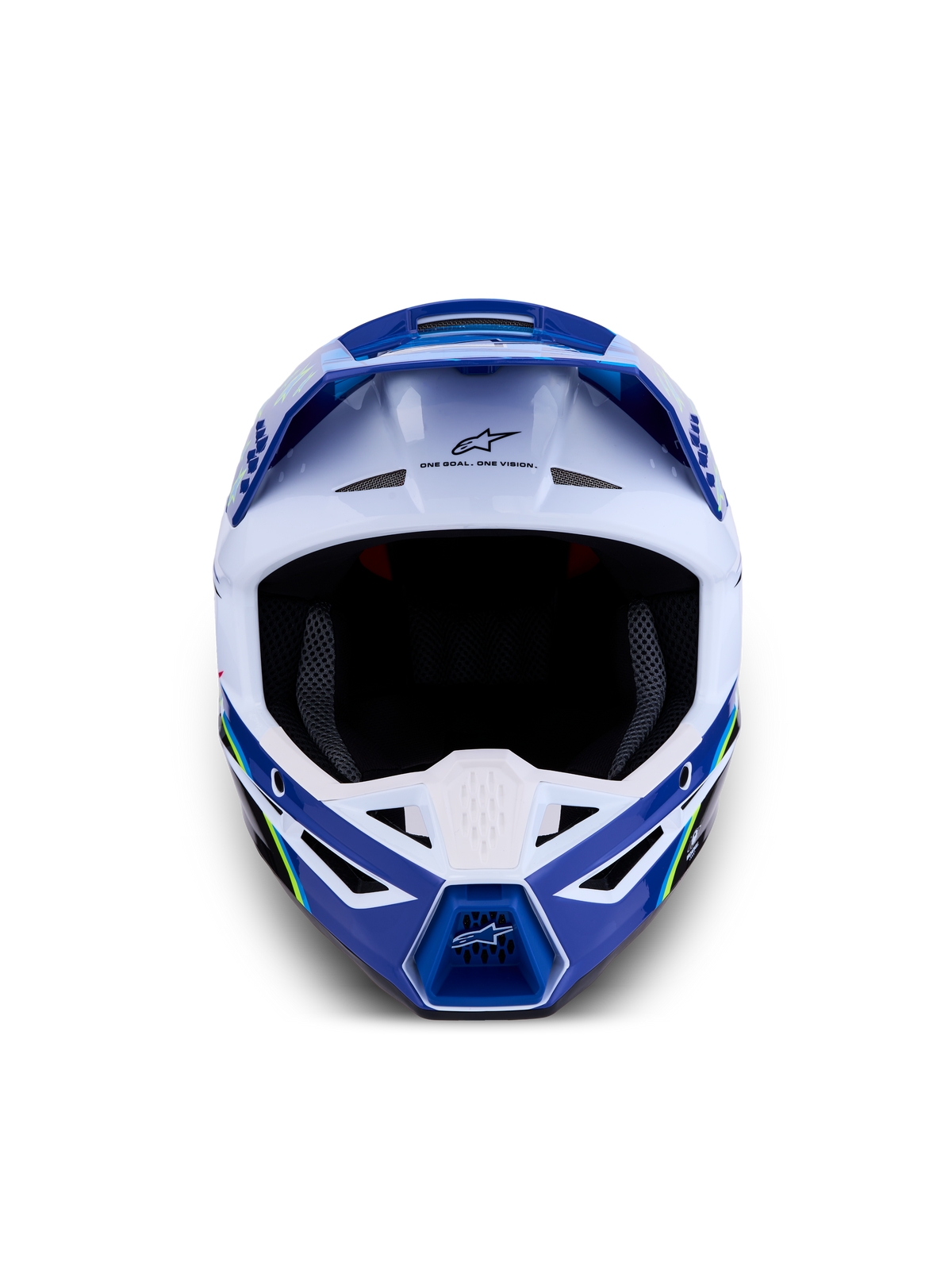
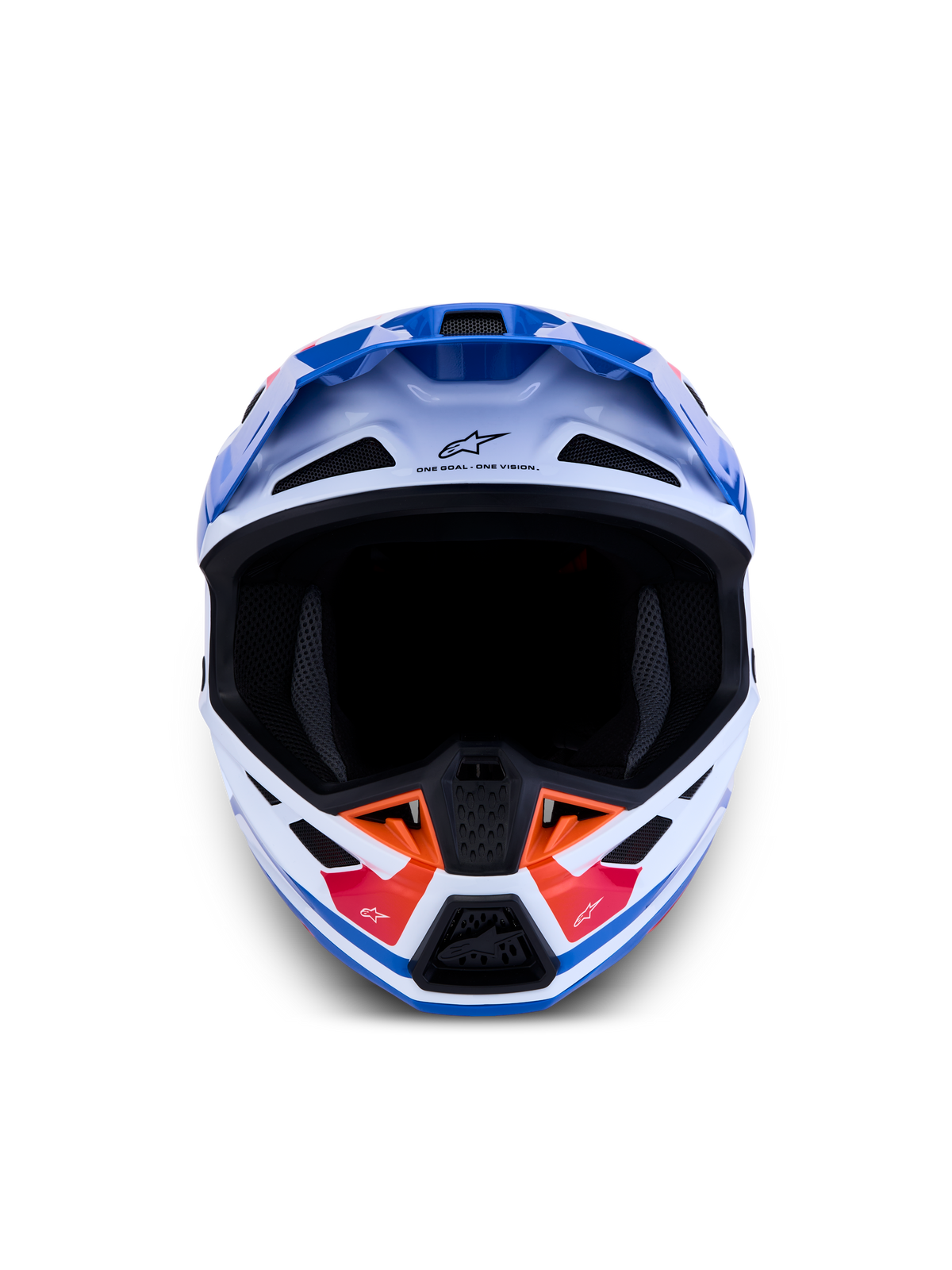
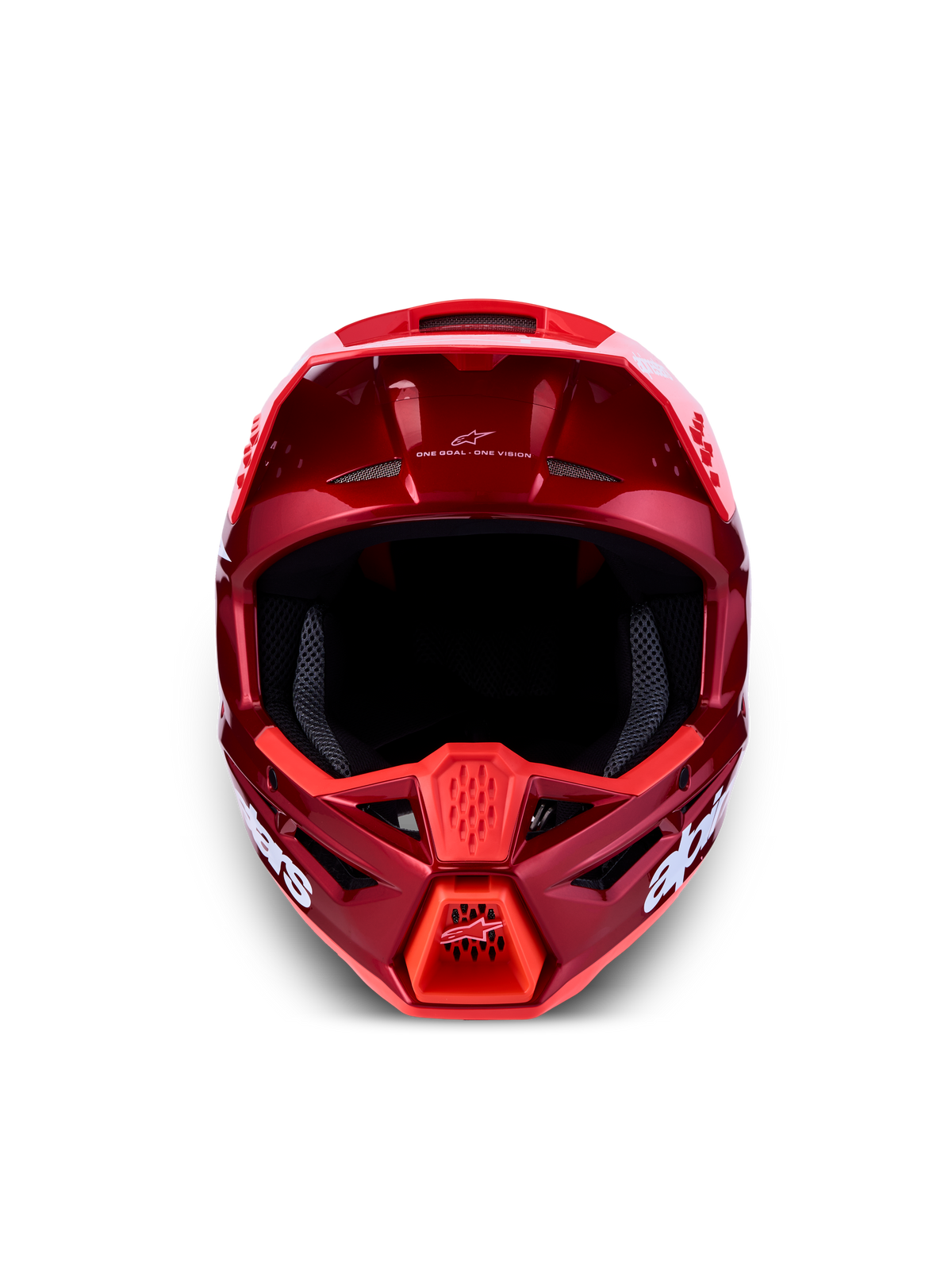
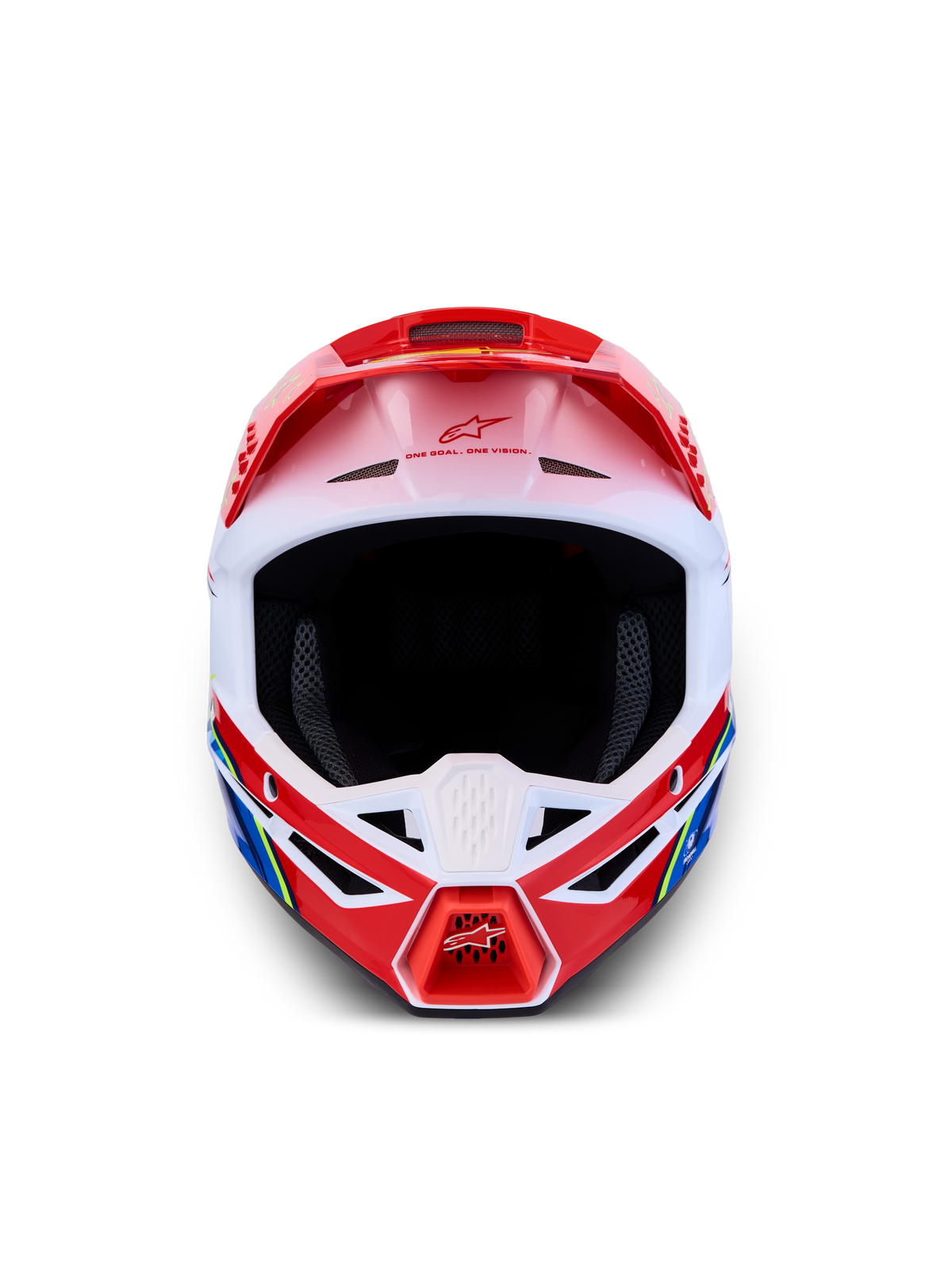
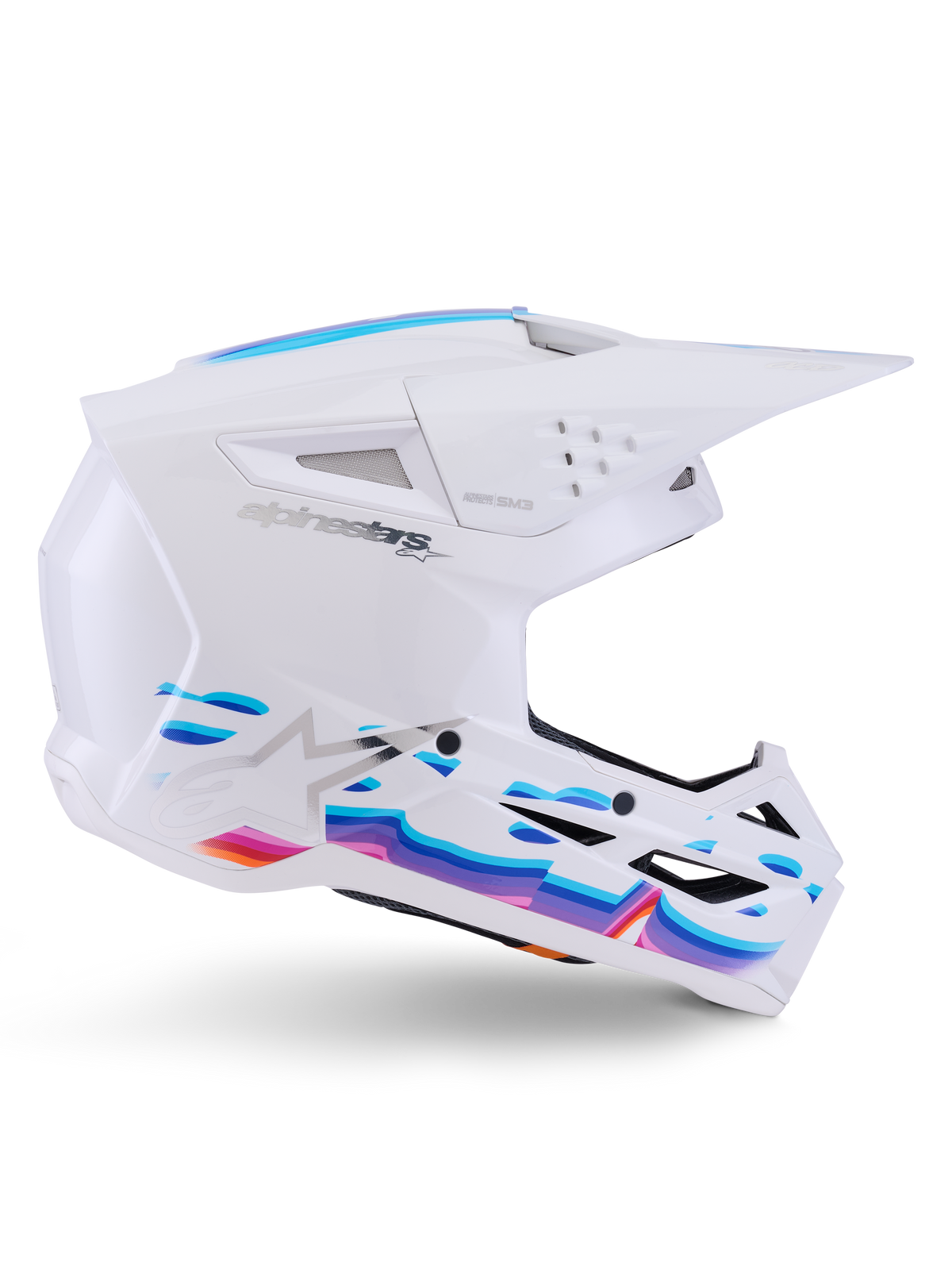
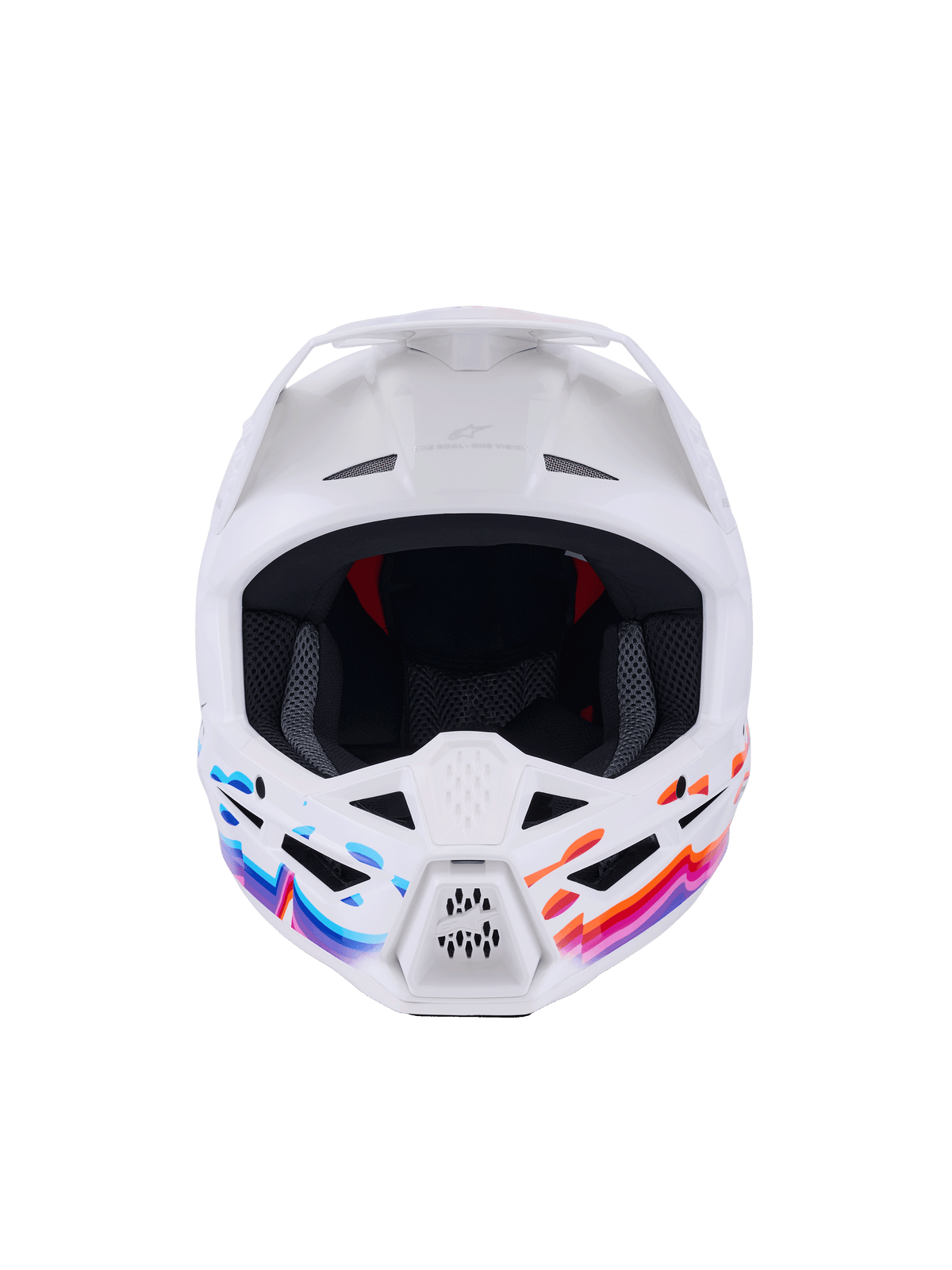
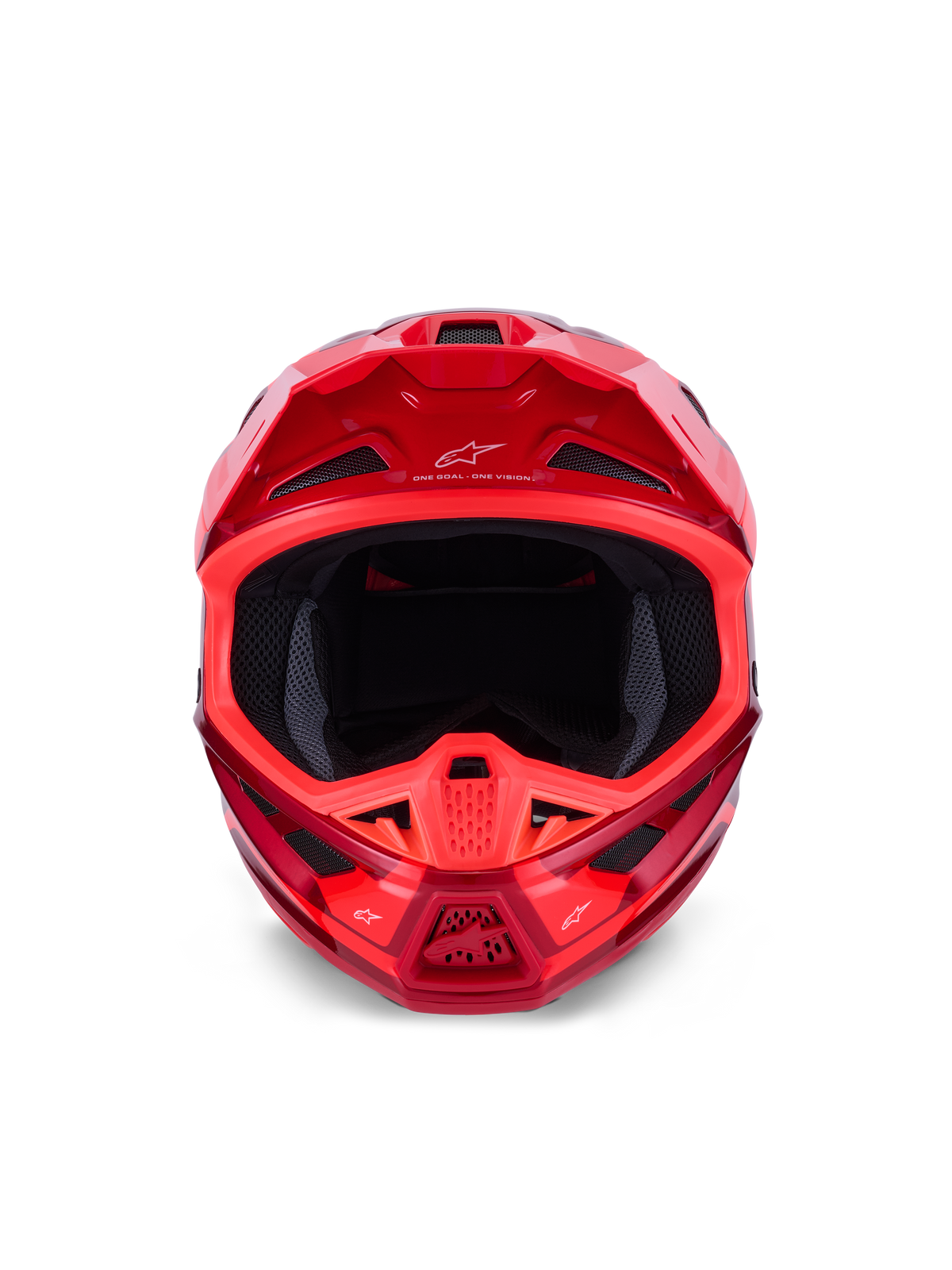
S-M3 Falcon Helmet ECE 22.06 -
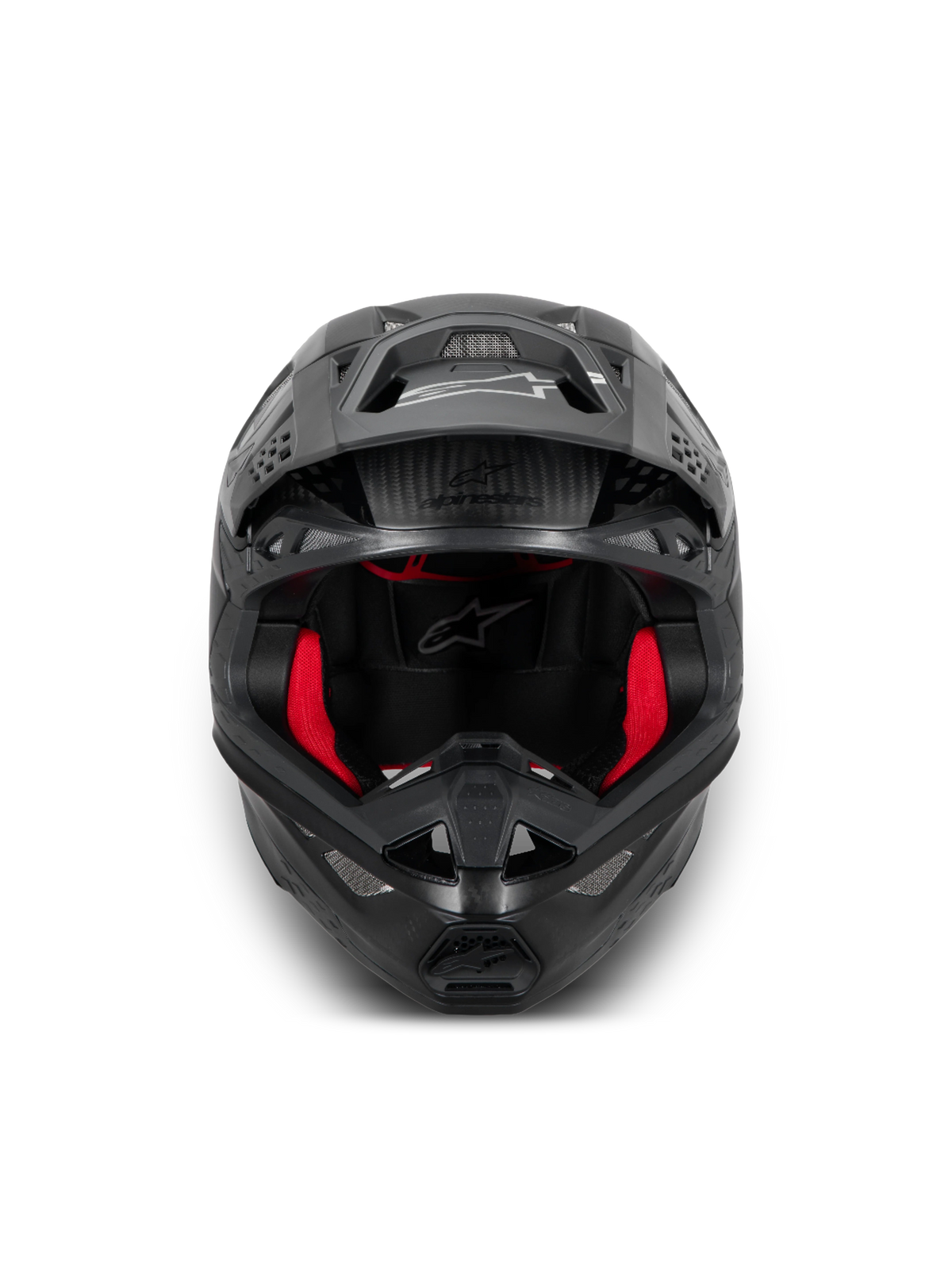
Supertech M10 Fame Helmet ECE 22.06 -
S-M3 Youth Solid Helmet ECE 22.06 -
S-M7 Core Helmet ECE 22.06 -
S-M7 Blaster Helmet ECE 22.06 -
S-M3 Radium Helmet ECE 22.06 -
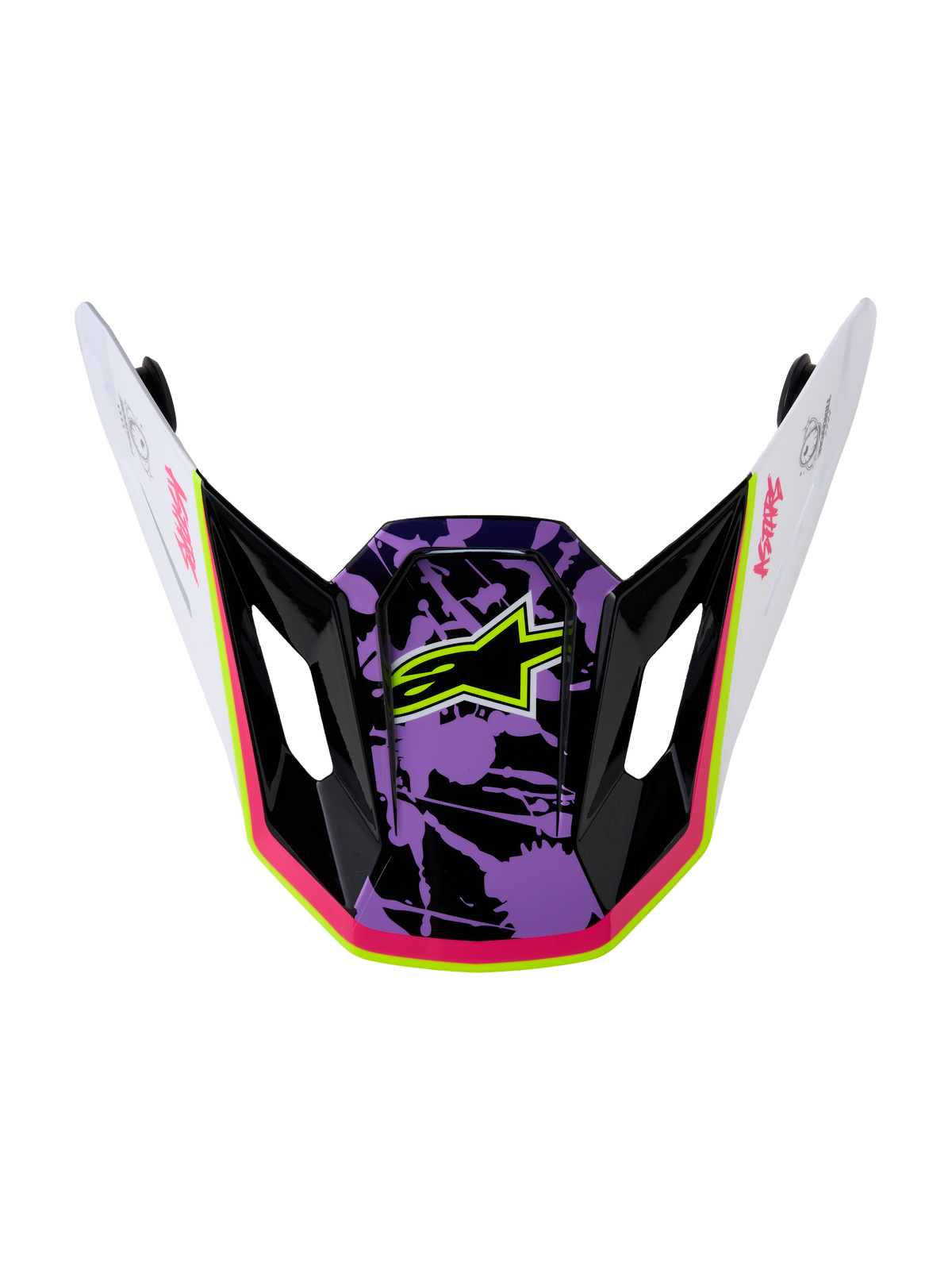
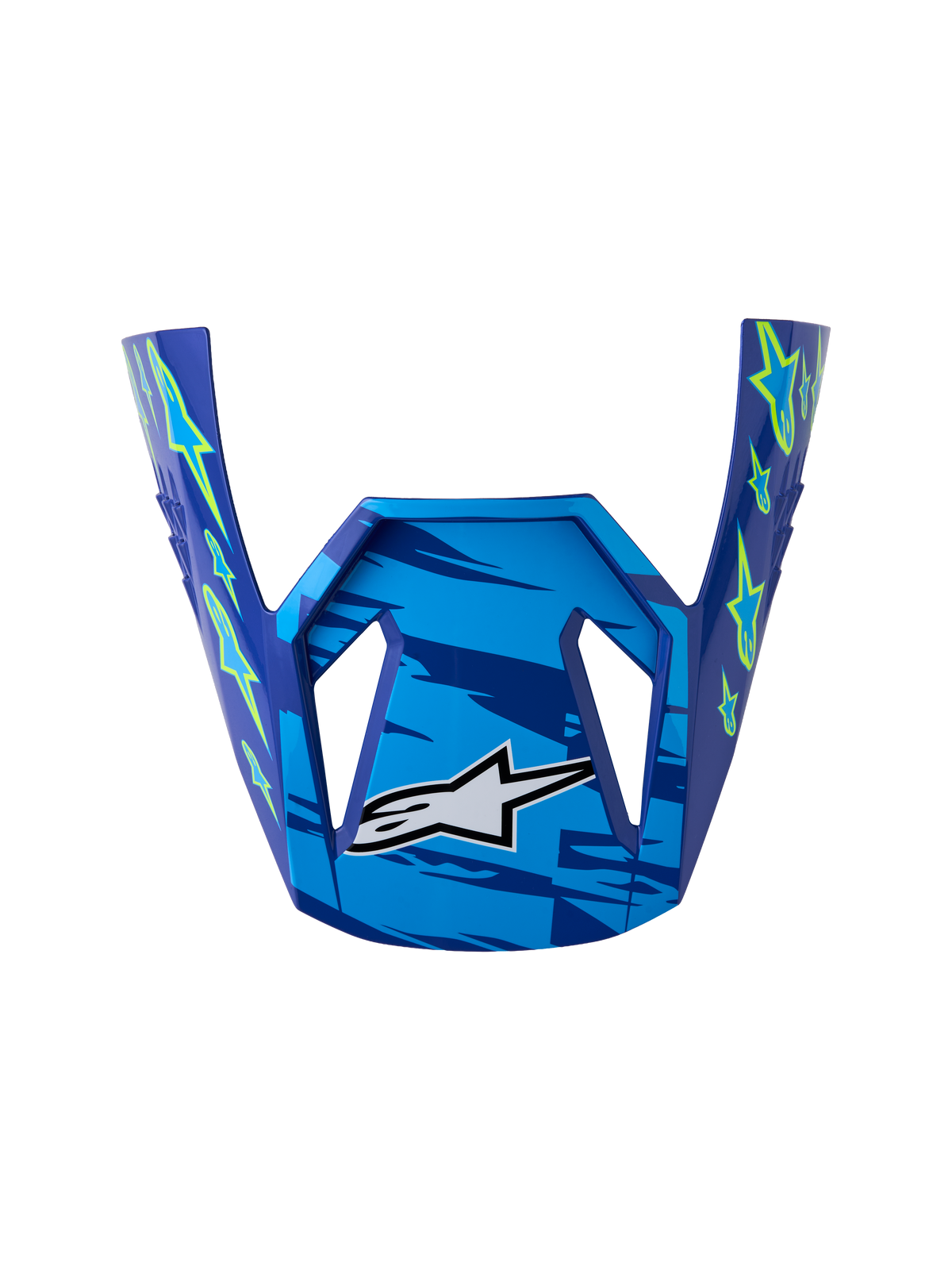
S-M3 Radium Visor -
S-M7 Cast Helmet ECE 22.06 -
S-M3 Youth Falcon Helmet ECE 22.06 -
S-M3 Falcon Helmet ECE 22.06 -
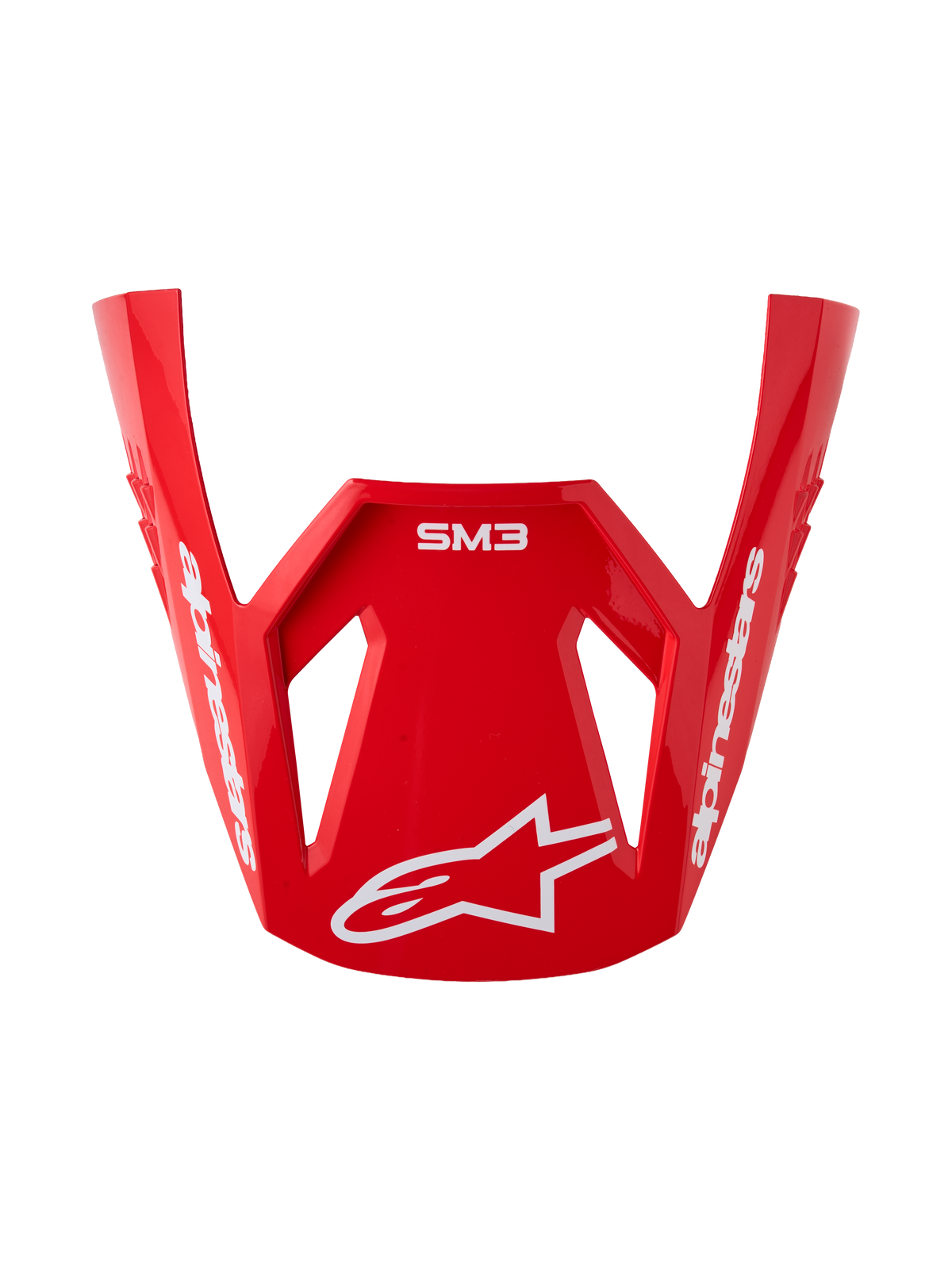
S-M3 Falcon Visor ECE06 -
S-M3 Falcon Helmet ECE 22.06 -
S-M3 Youth Falcon Helmet ECE 22.06 -
S-M7 Solid Helmet ECE 22.06 -
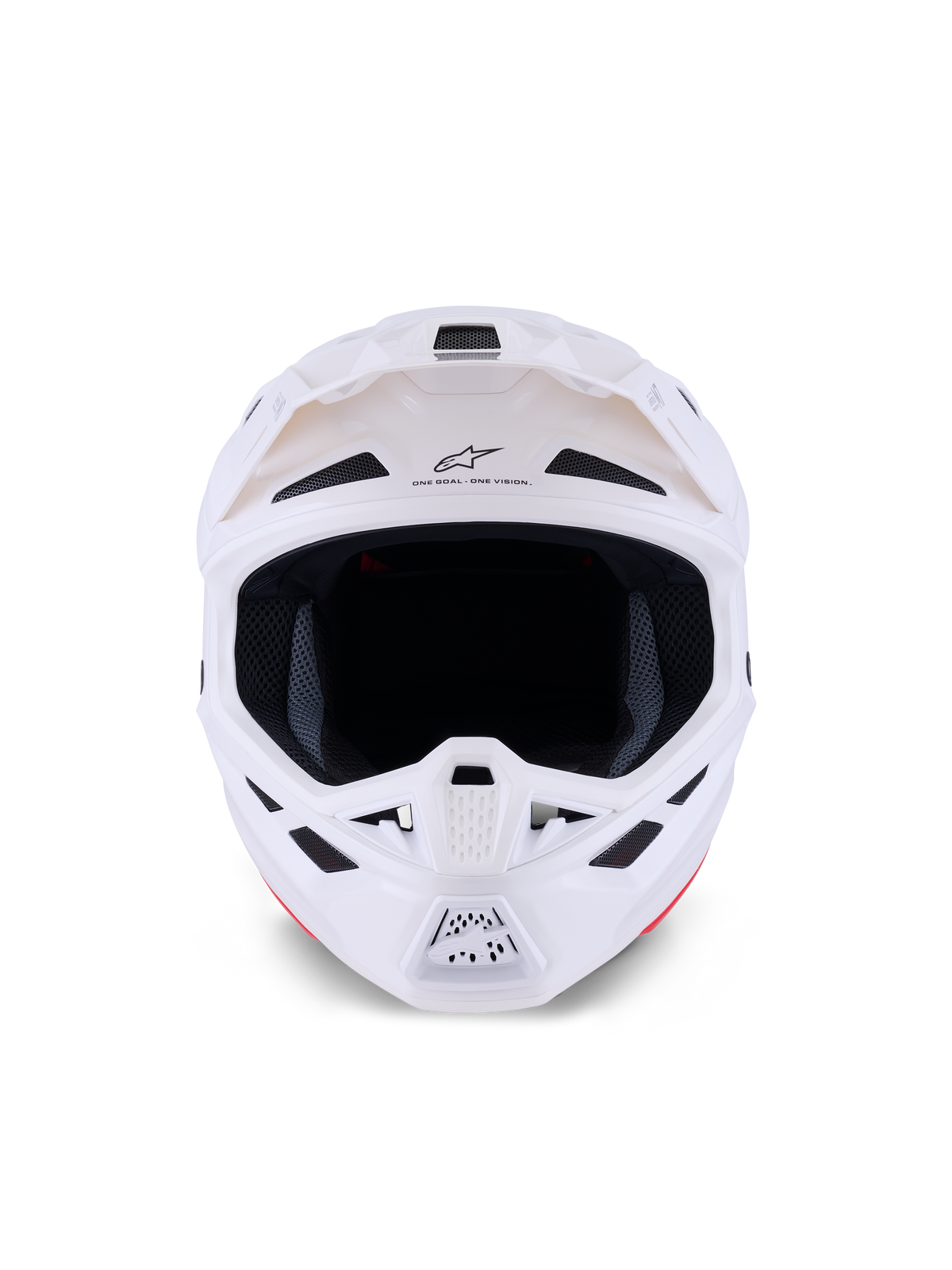
S-M3 Solid Helmet ECE 22.06 -
S-M5 Corp Helmet ECE 22.06 -
S-M3 Youth Falcon Helmet ECE 22.06 -
S-M3 Solid Helmet ECE 22.06 -
S-M3 Force OCD Helmet ECE 22.06 -
S-M7 Solid Helmet ECE 22.06 -
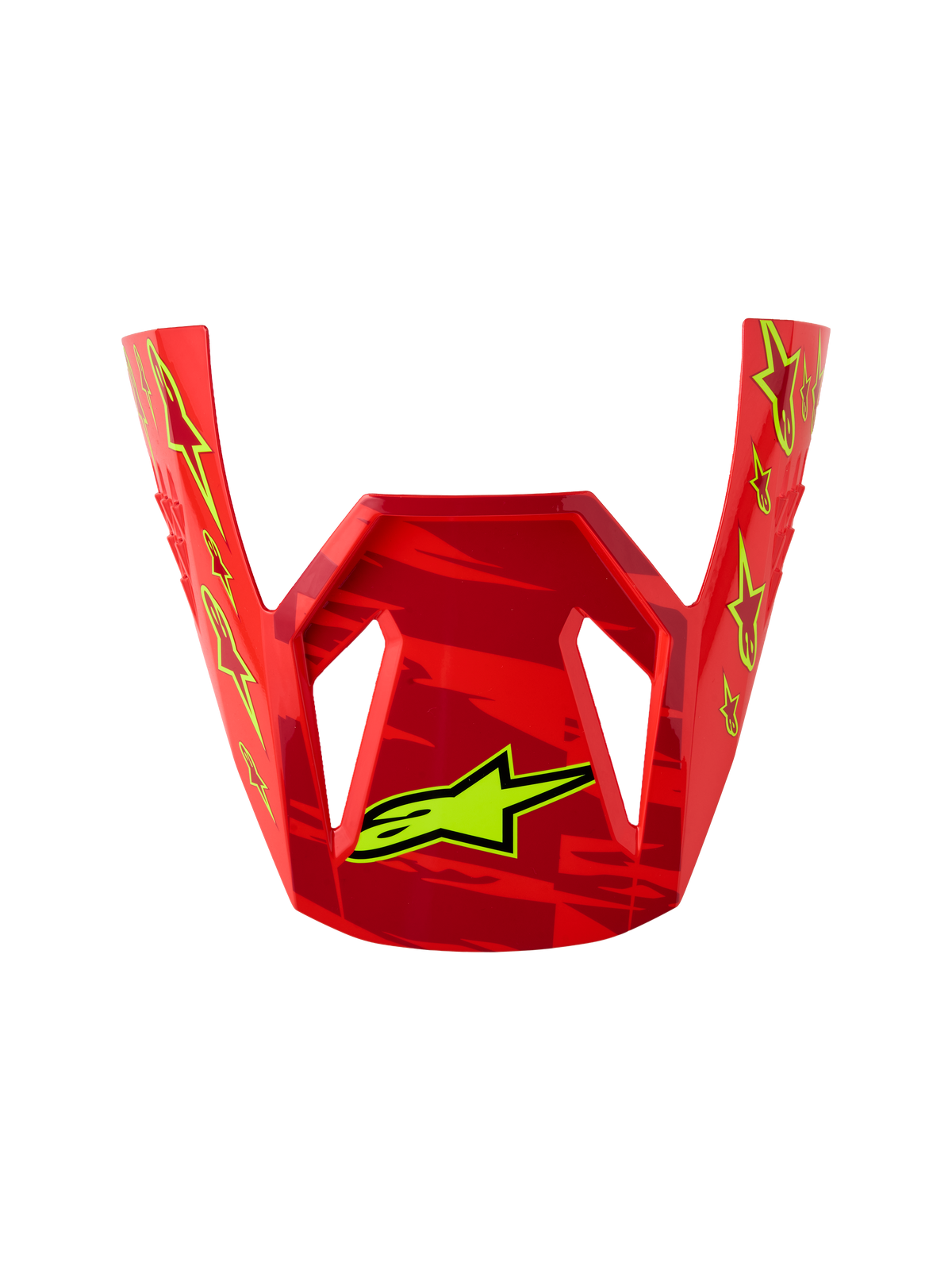
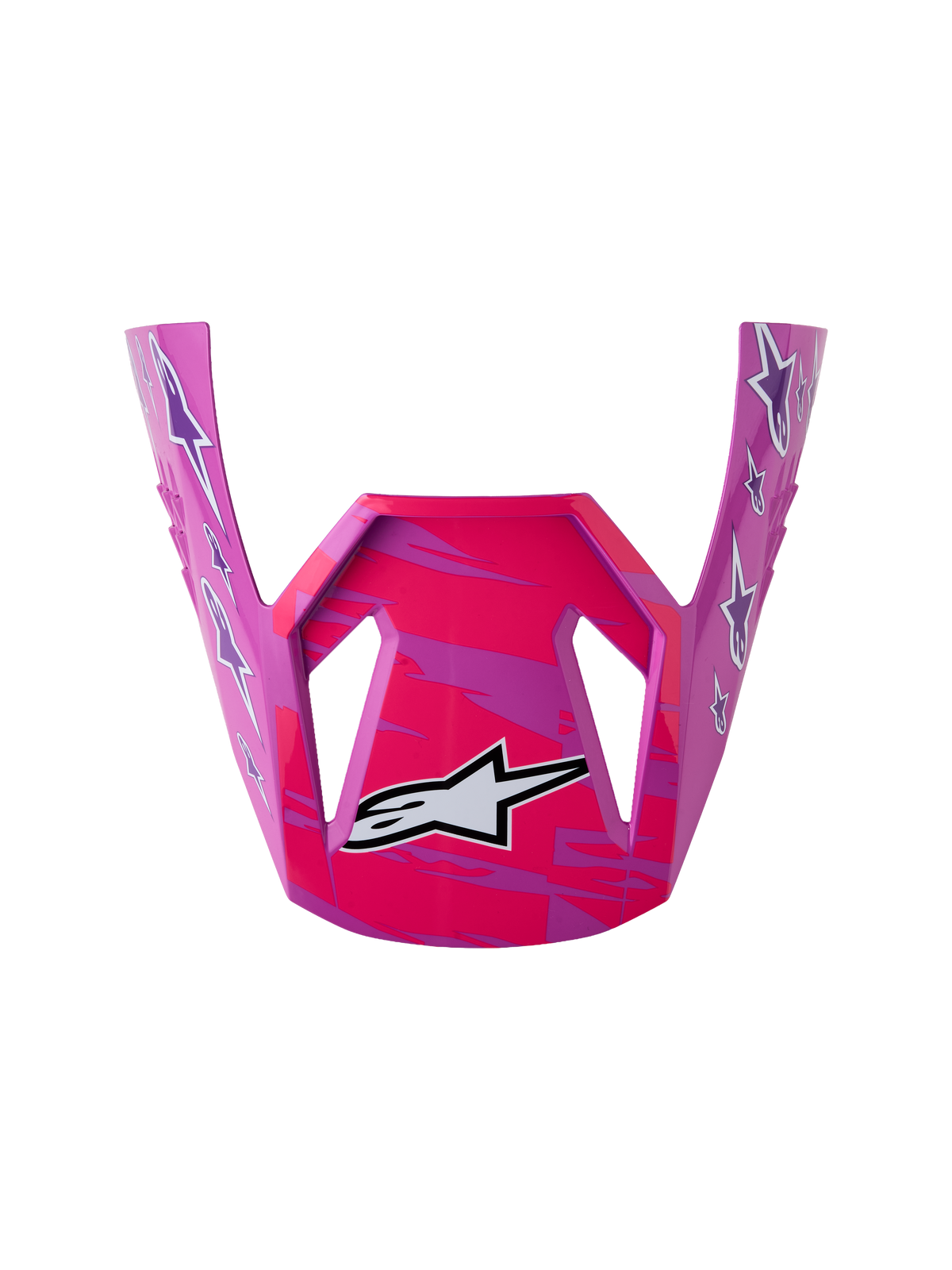
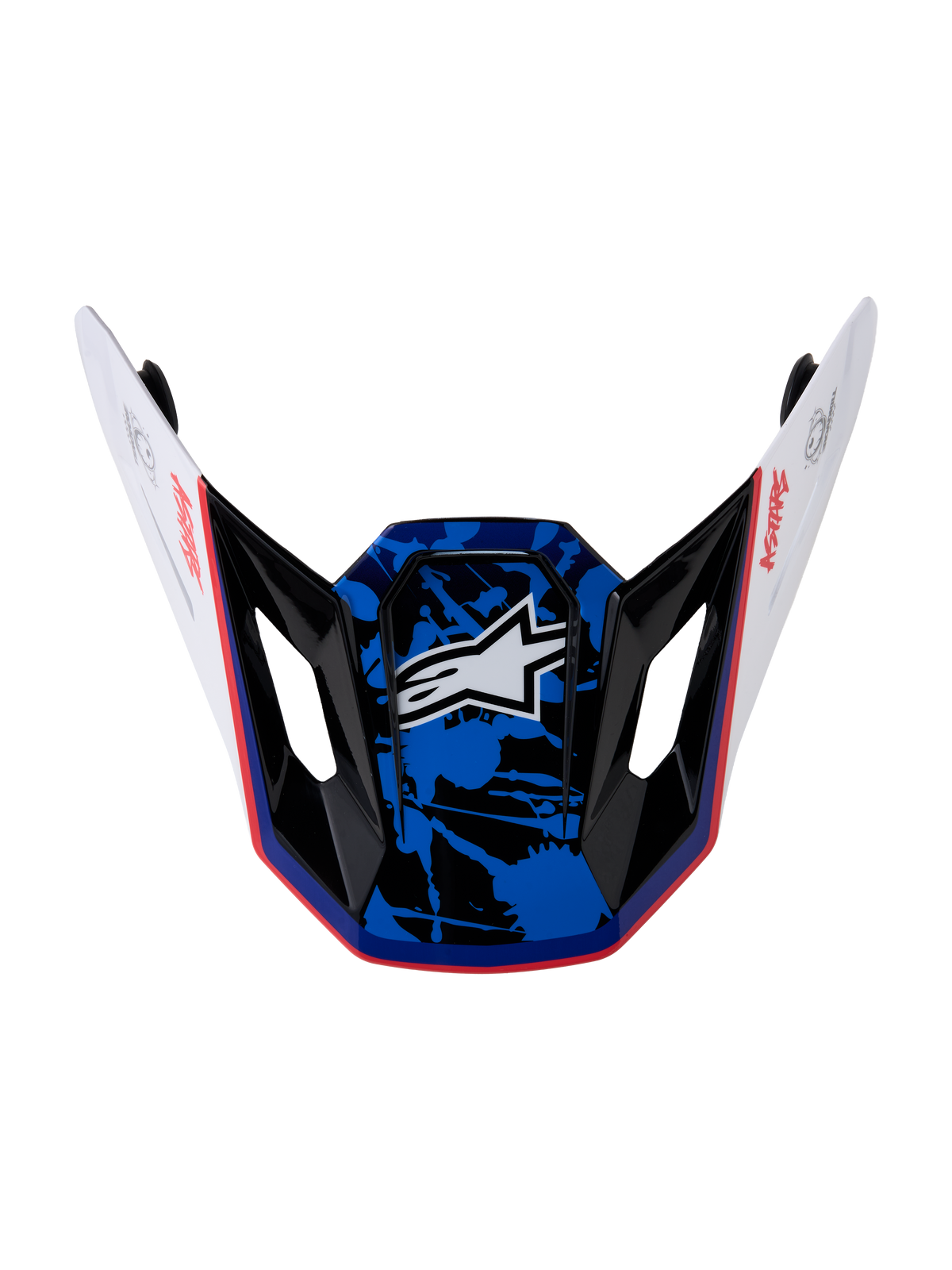
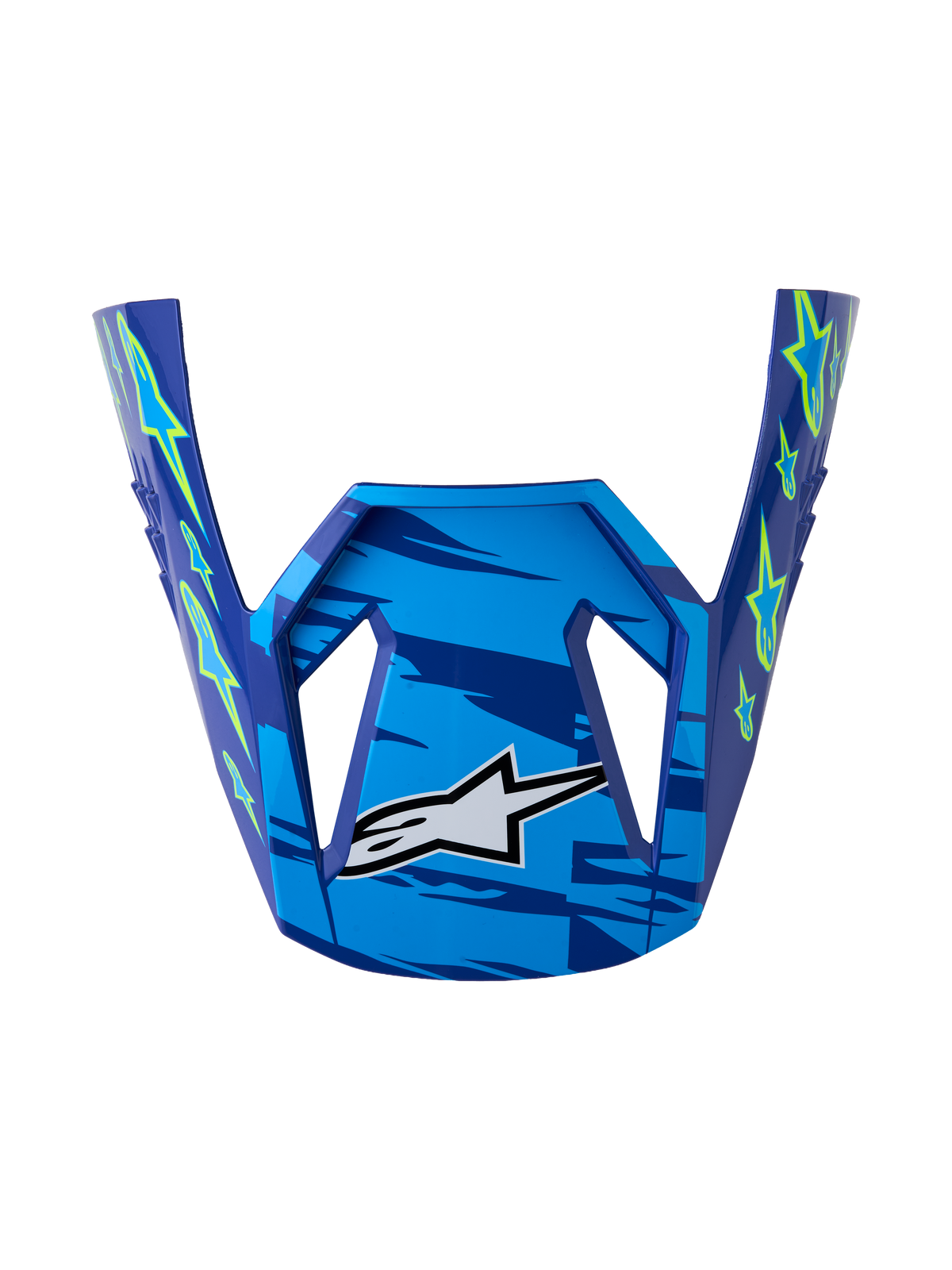
S-M7 Blaster Visor -
Youth SM3 Falcon Visor -
SM3 Youth Falcon Visor -
S-M7 Blaster Visor -
S-M3 Falcon Visor ECE06 -
Supertech M10 Flood Helmet ECE 22.06 -
S-M7 Rise Helmet ECE 22.06 -
S-M5 Corp Helmet ECE 22.06 -
SM3 Youth Falcon Visor -
Supertech M10 Flood Helmet ECE 22.06 -
S-M7 Core Helmet ECE 22.06 -
S-M7 Rise Helmet ECE 22.06 -
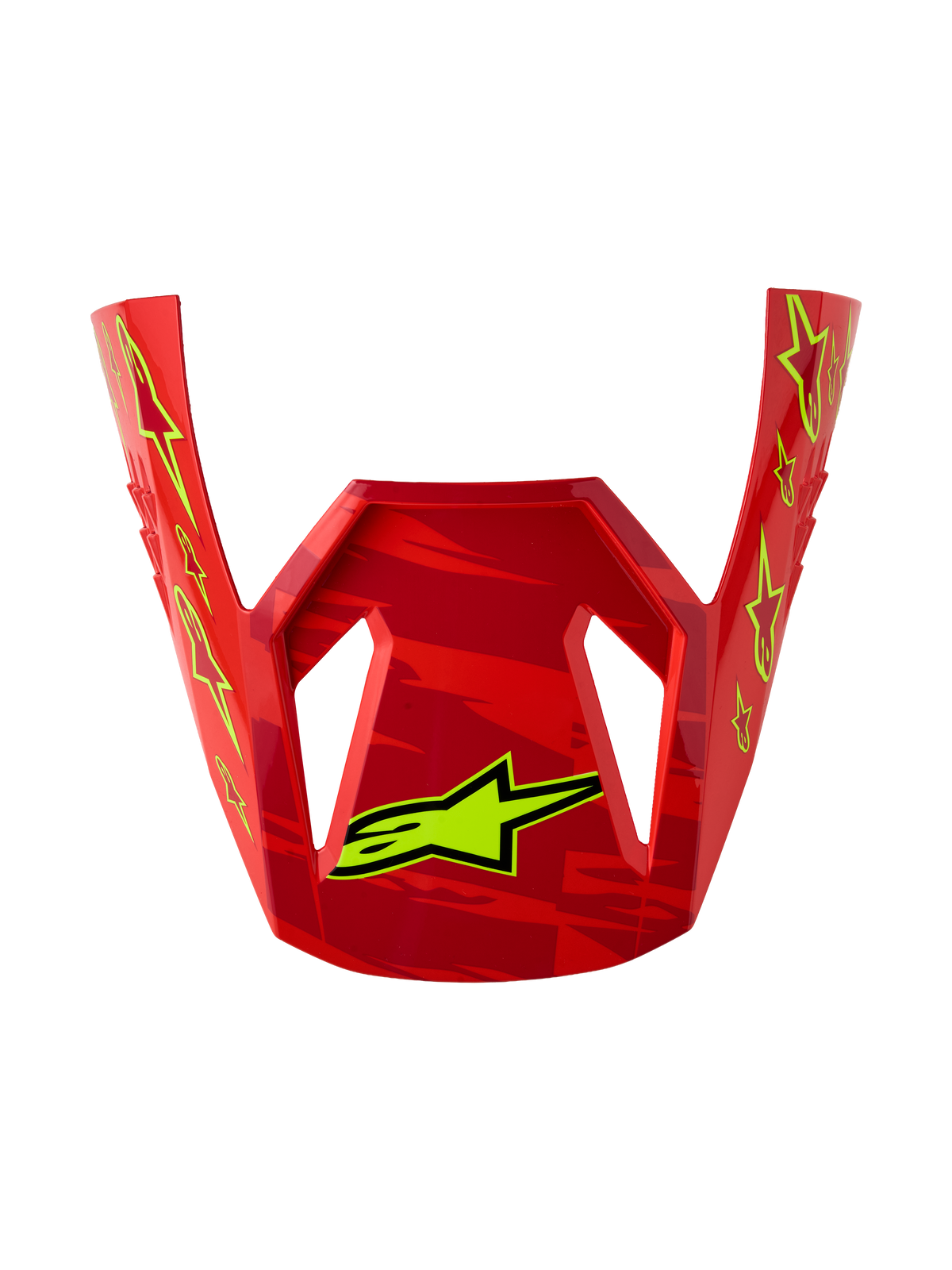
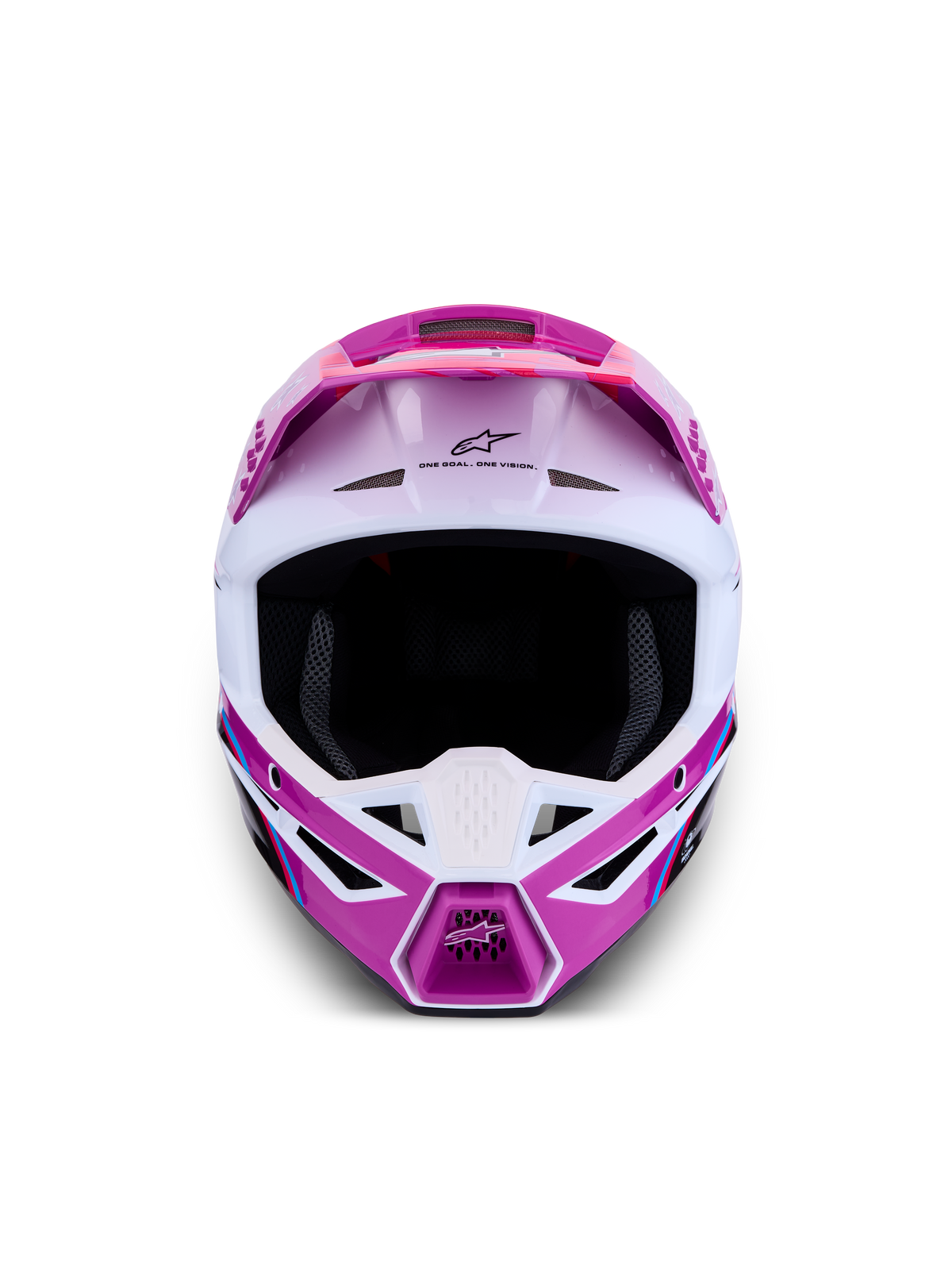
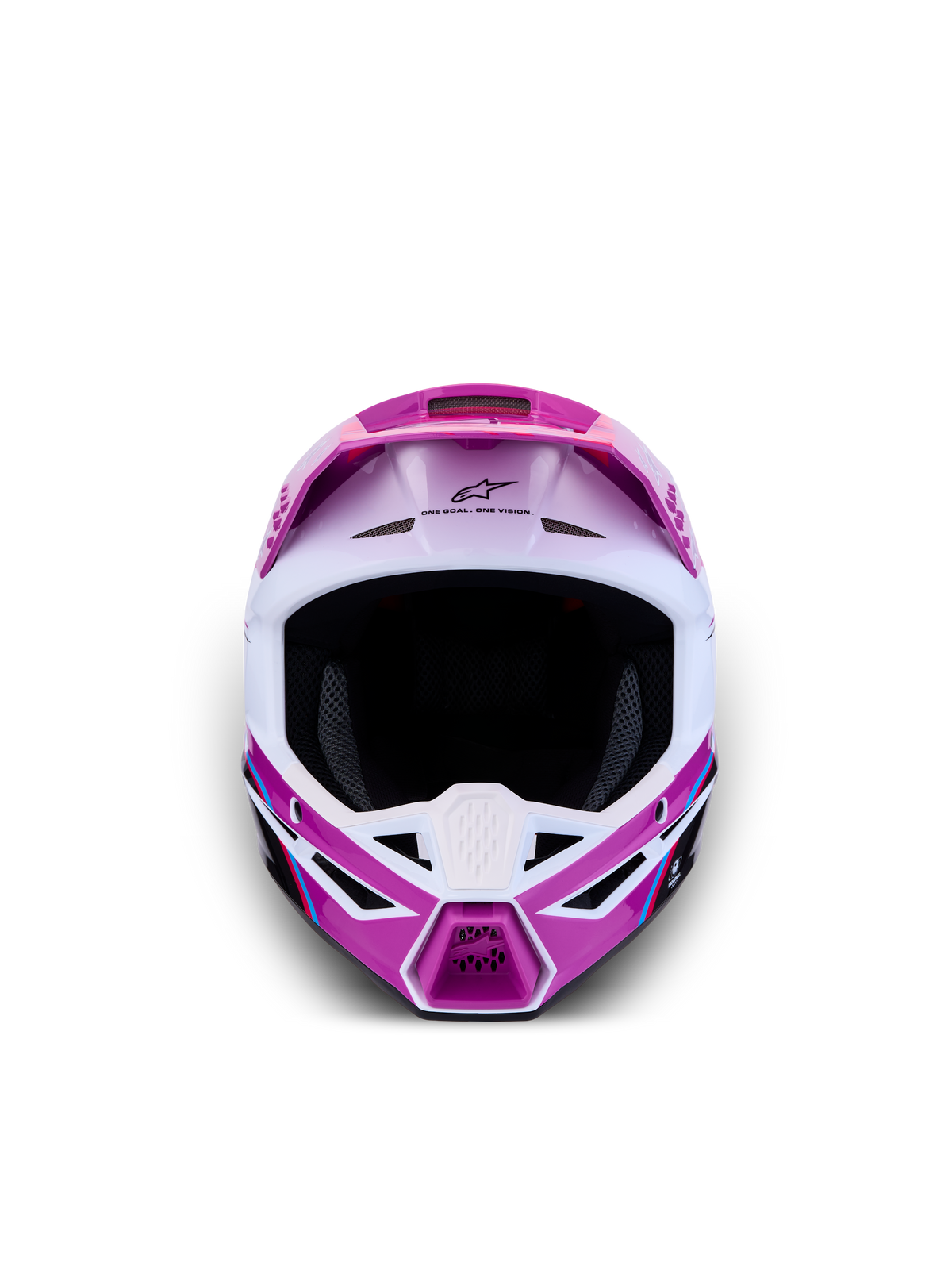
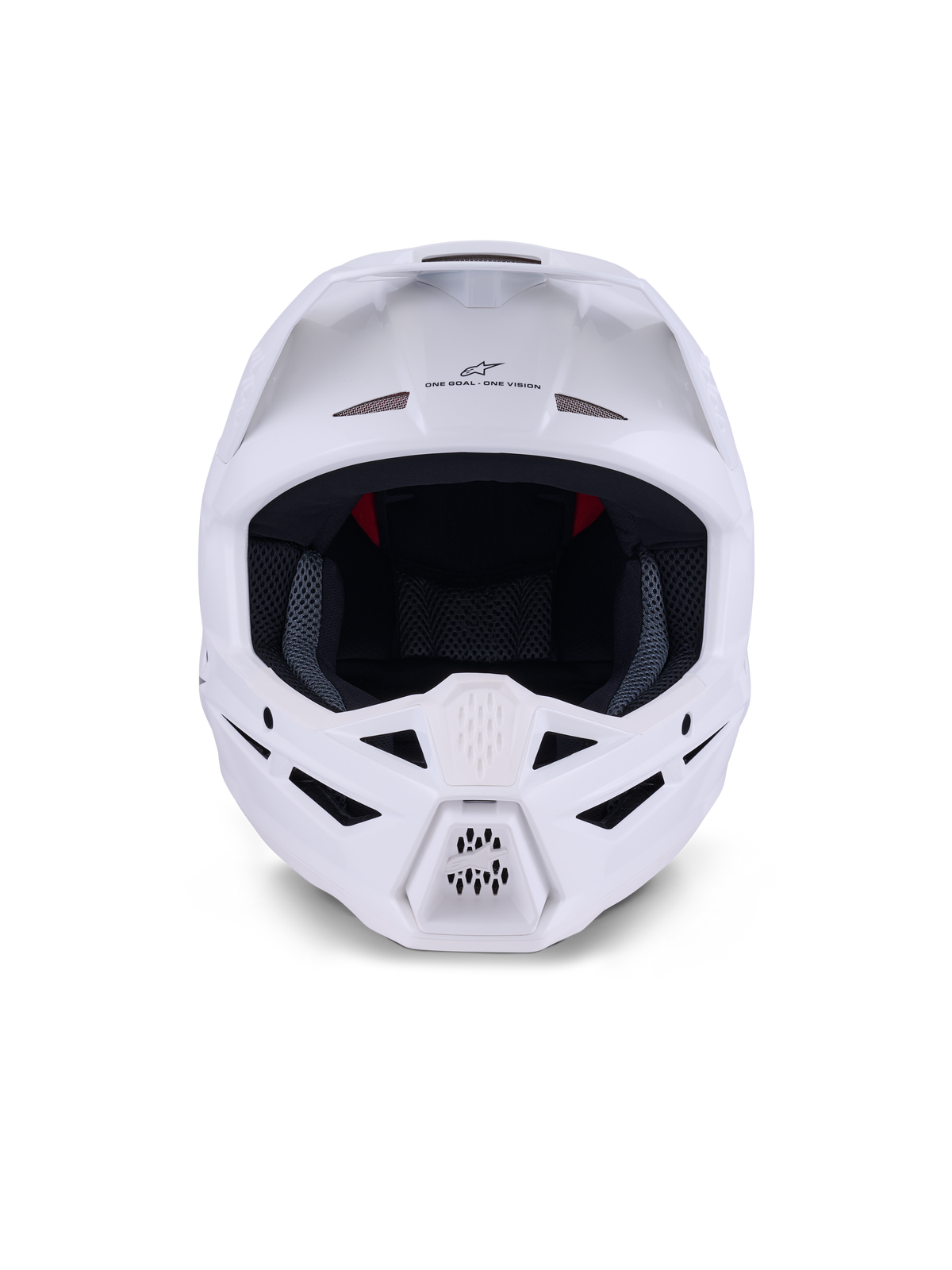
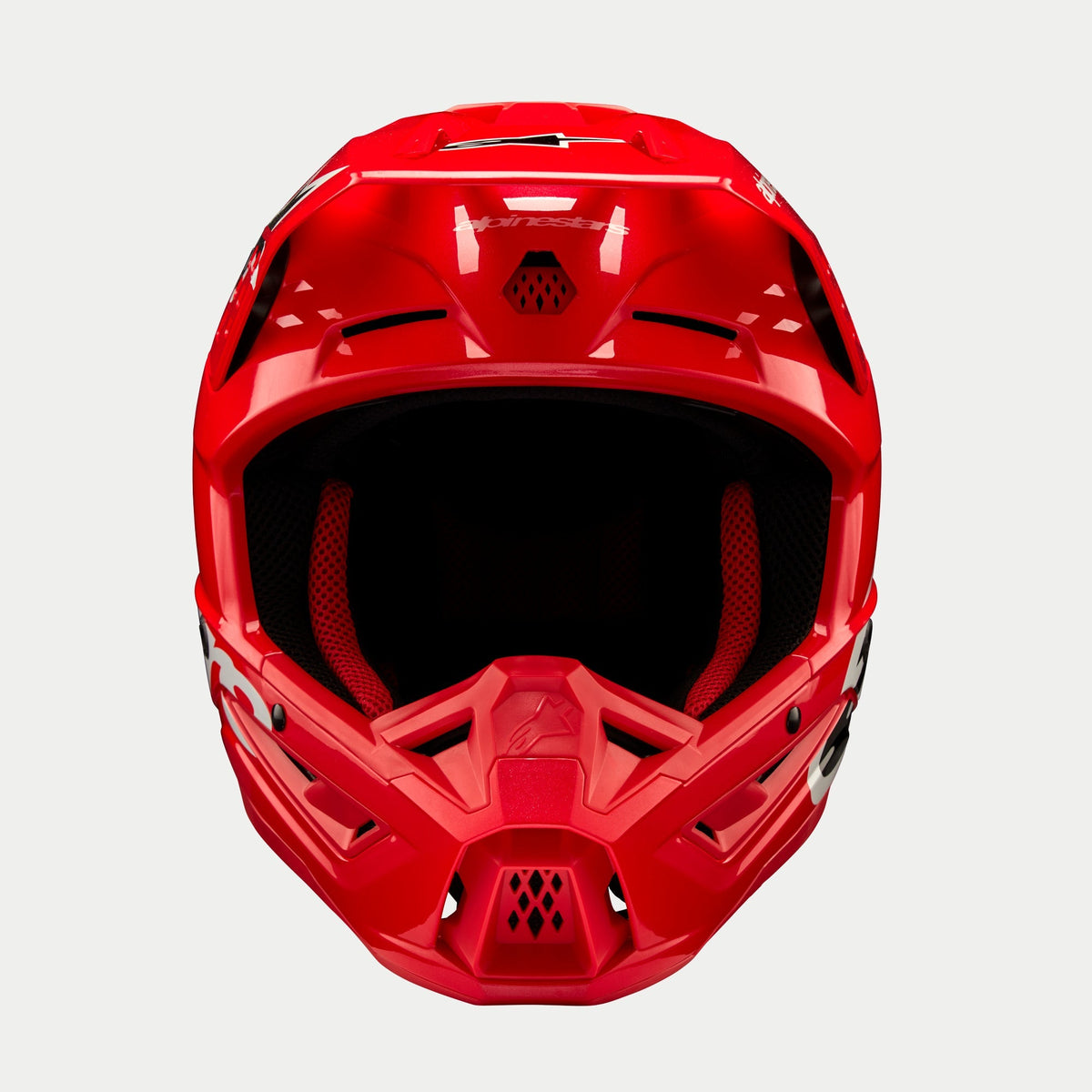
S-M7 Deed Helmet ECE 22.06


















































Frequently asked questions Hide FAQs
What safety certifications should I look for on MX helmets and goggles?
For motocross helmets sold in the United States, look for the DOT mark, which indicates compliance with FMVSS 218. Many off-road helmets also carry ECE 22.06 certification, a widely recognized international standard. If you race, always confirm your series or event rulebook, because organizers may specify which certifications are accepted.
For goggles, riders typically focus on impact-resistant polycarbonate lenses, secure frame construction, and reliable retention rather than a single universal certification mark. To shop by category, explore our MX helmets and goggle accessories.
How should a motocross helmet and goggles fit together?
An MX helmet should feel evenly snug around the crown and cheeks without painful pressure points or excessive movement. When goggles are fitted, the foam should seal consistently around the face, the frame should sit cleanly inside the helmet eye port, and the strap should stay flat and stable around the shell.
Try the helmet and goggles together in a riding position, not separately. Check for clear peripheral vision, no pressure on the nose bridge, and no gaps that could let in dust or roost.
What is the difference between an MX helmet and a street motorcycle helmet?
MX helmets are designed for off-road riding, where airflow, roost protection, and goggle compatibility matter more than highway aerodynamics. They typically use a large eye port for goggles, a pronounced peak, and a more ventilated chin bar. Street helmets are generally built around an integrated face shield, quieter road use, and more aerodynamic performance at sustained speed.
If your riding is mainly track, trail, or motocross, an MX helmet and goggle setup is the correct format. If your riding is primarily pavement, a road helmet is usually the more appropriate choice.
Which goggle lens tint and tear-off or roll-off system should I choose for different riding conditions?
Lens tint should match available light, while the lens-clearing system should match track conditions. Clear lenses suit night riding and heavy mud, smoke or mirrored lenses suit bright sun, and amber or yellow options can improve contrast in flatter light.
| Conditions | Lens tint | Recommended system |
|---|---|---|
| Bright sun | Smoke, gray, or mirrored | Standard lens or tear-offs |
| Overcast or woods | Amber or yellow | Standard lens or tear-offs |
| Mud, wet races, heavy roost | Clear | Roll-offs |
| Night riding | Clear only | Standard lens |
Tear-offs work well when quick, simple lens clearing is enough, while roll-offs are typically preferred in sustained mud. You can find replacement films, spare lenses, and related parts in goggle accessories.
How do I clean and maintain MX helmets and goggles, and when should I replace a helmet?
Remove helmet liners and cheek pads if they are detachable, then hand-wash them with mild soap and let them air-dry away from direct heat. Clean the helmet shell and goggle lens with lukewarm water and a soft microfiber cloth; avoid solvents, harsh detergents, and rough wiping, especially on coated lenses.
Replace a helmet after any significant impact, even if external damage looks minor, because the energy-managing liner can be compromised internally. For normal wear, inspect the shell, retention system, visor hardware, goggle foam, and lens condition regularly, and replace worn accessories as needed. For peaks, screws, and spares, see MX helmet accessories.