
11 results
-
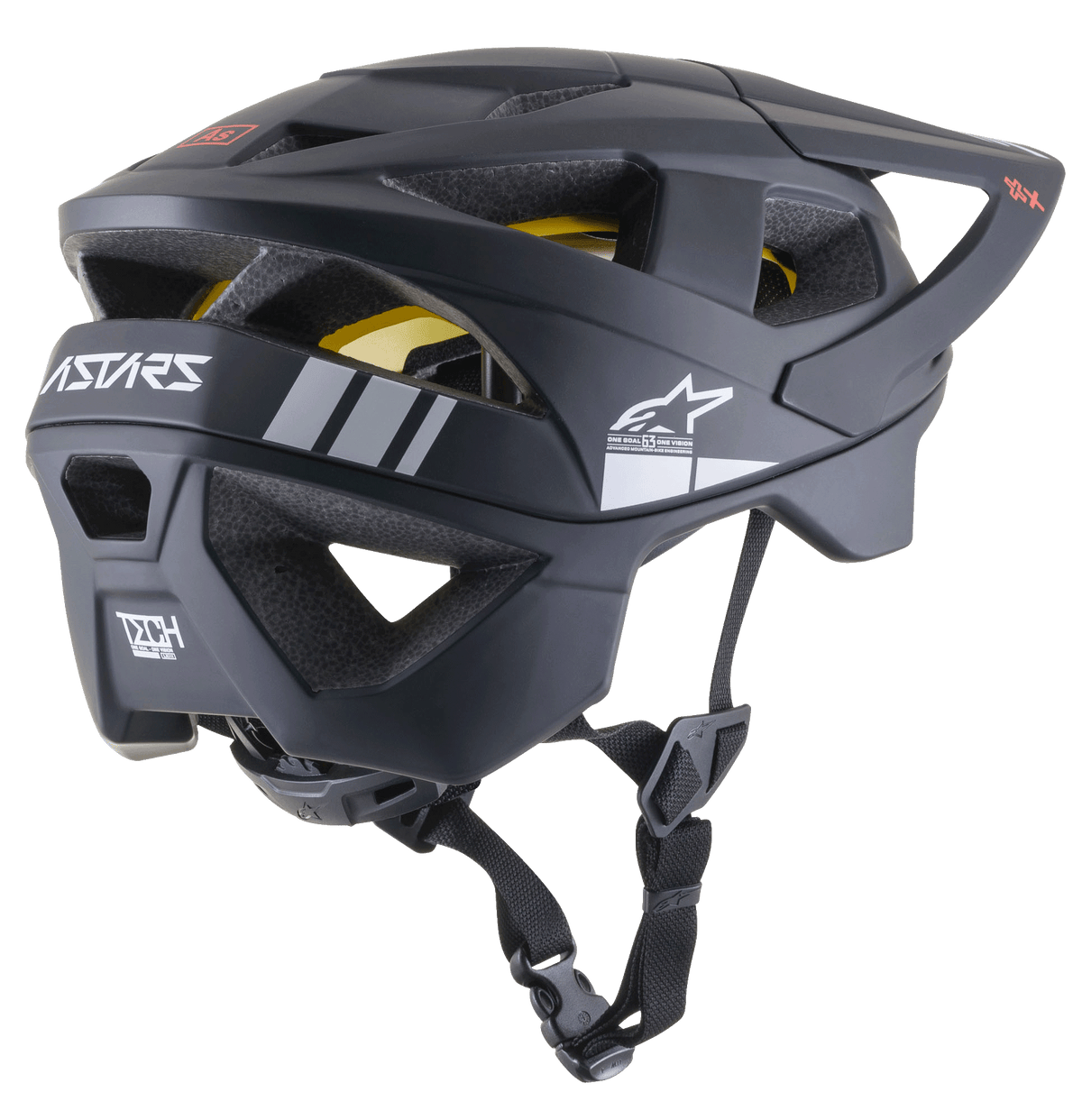
Vector Tech Zeal Helmet -
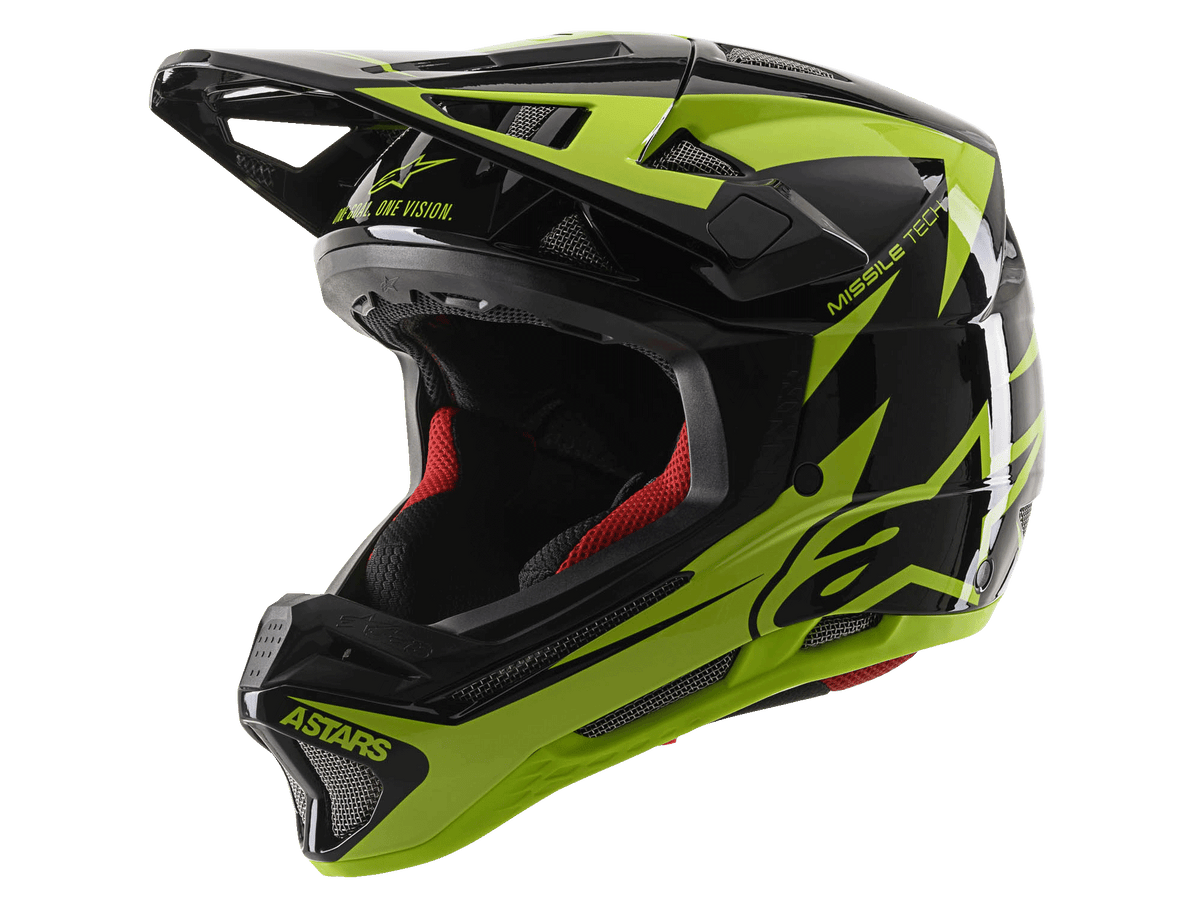
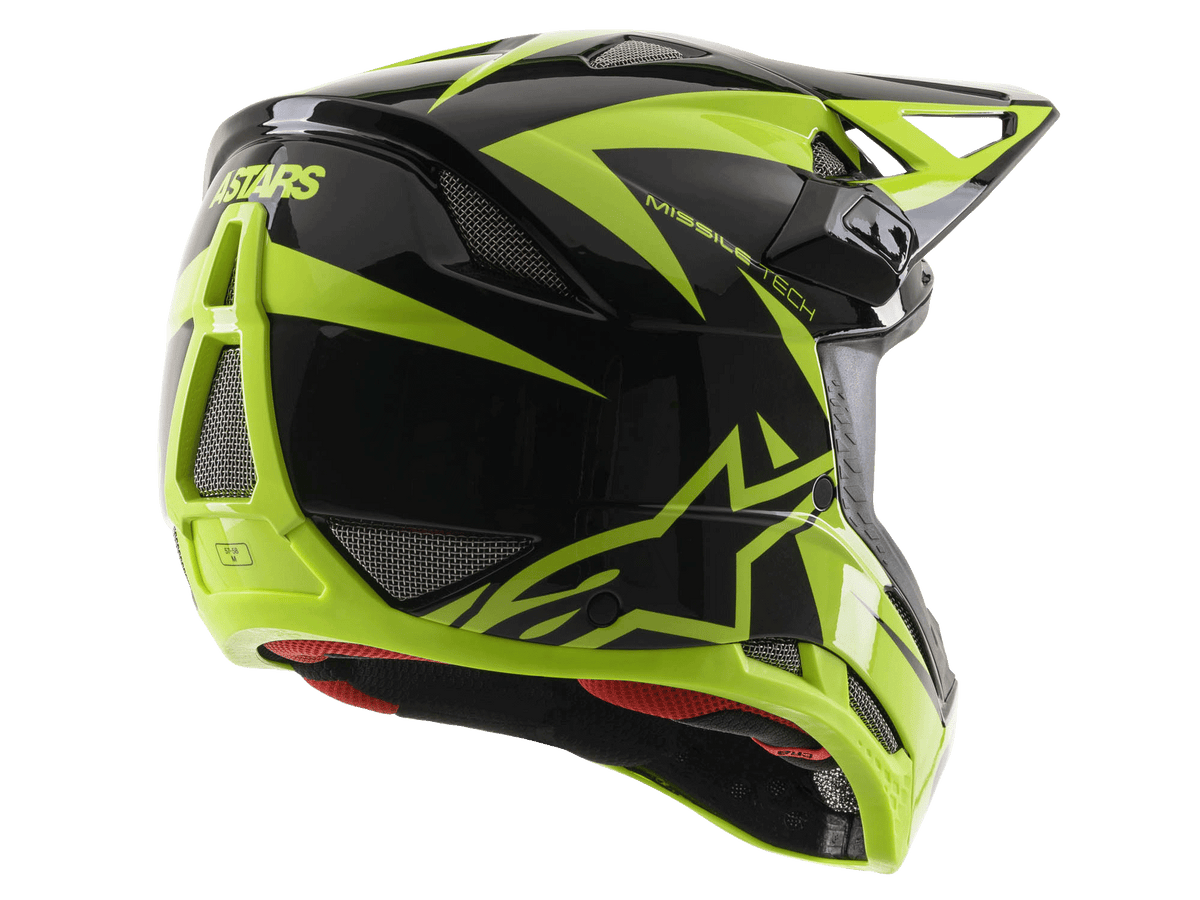
Missile Tech Racer Helmet -
Vector Tech Pilot MTB Helmet CE -
Vector Tech Solid Helmet -
Vector Tech A2 MTB Helmet ECE -
Missile Tech Racer Helmet -
Vector Tech Solid Helmet -
Missile Tech Solid Helmet Black Matt -
Vector Tech Pilot Helmet CE -
Missile Tech Airlift Full Face Helmet -
Vector Tech A1 MTB Helmet ECE

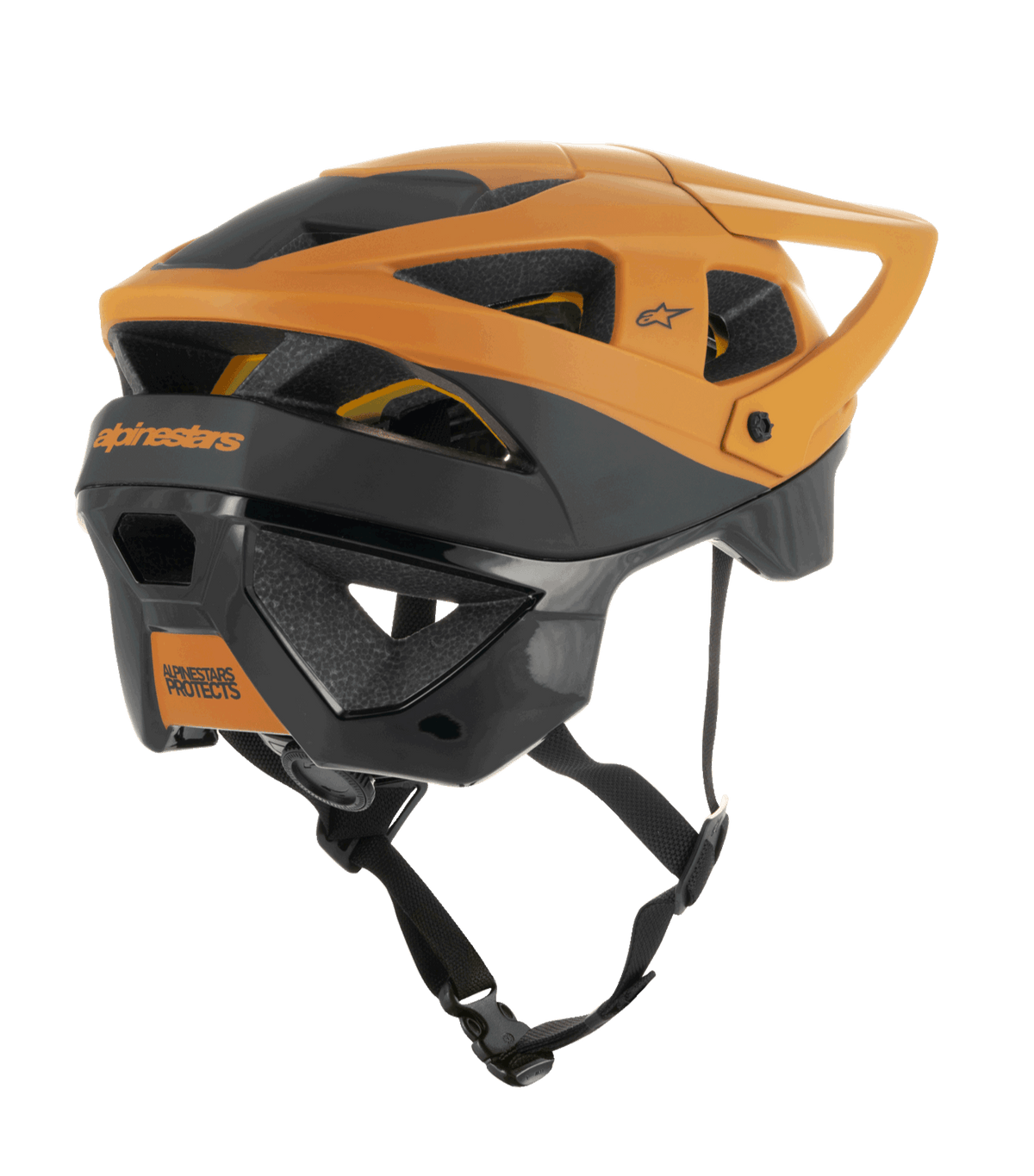


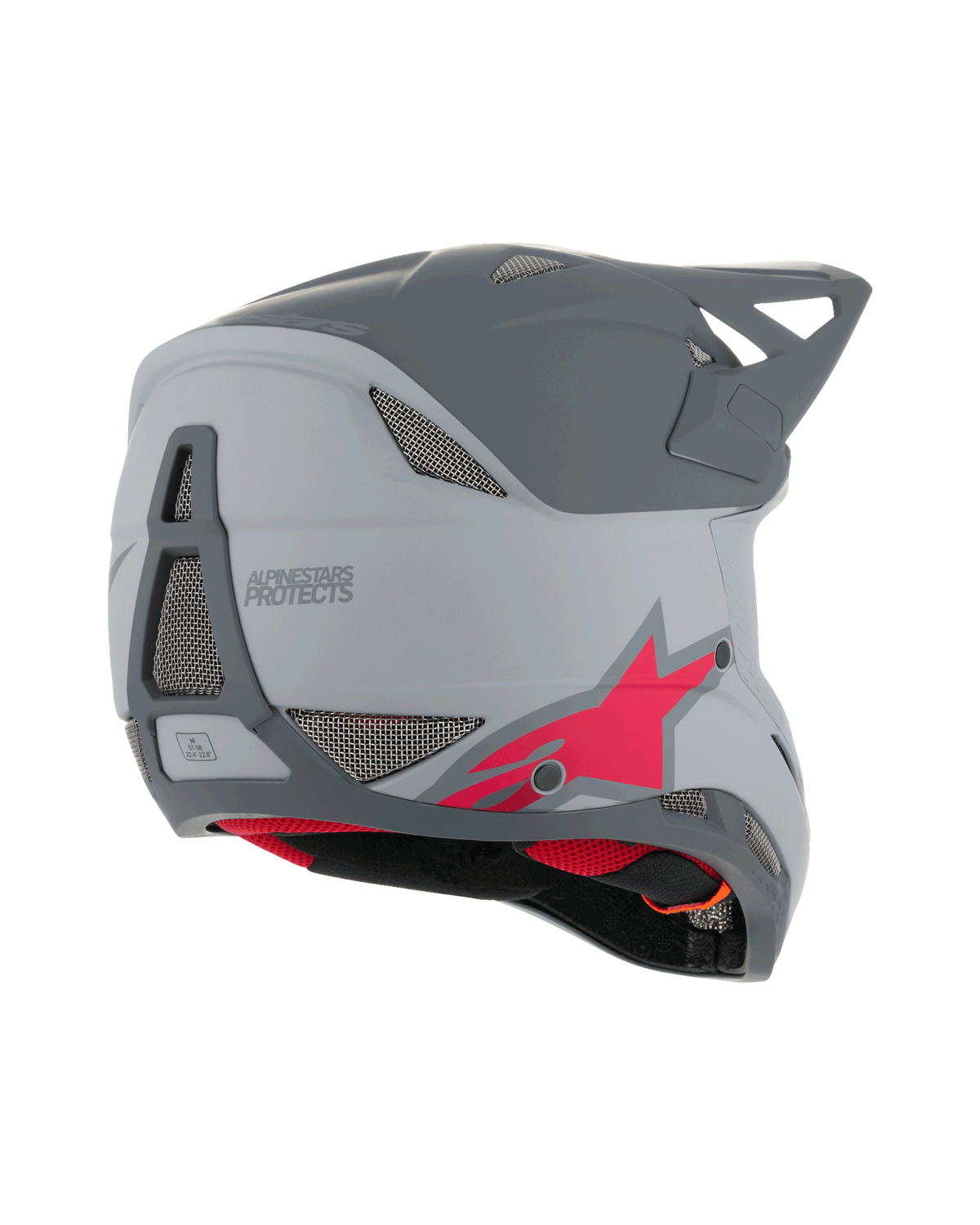


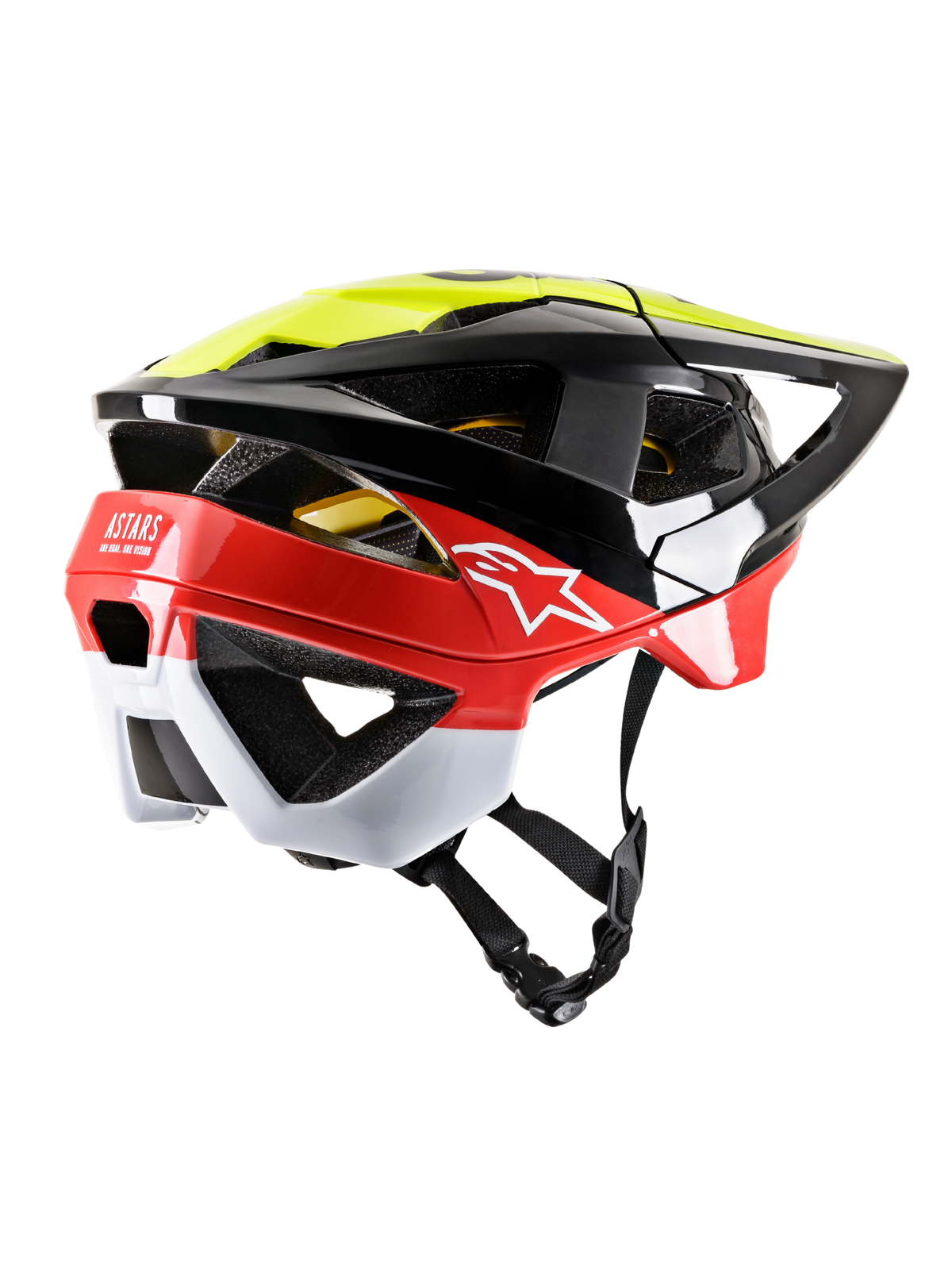


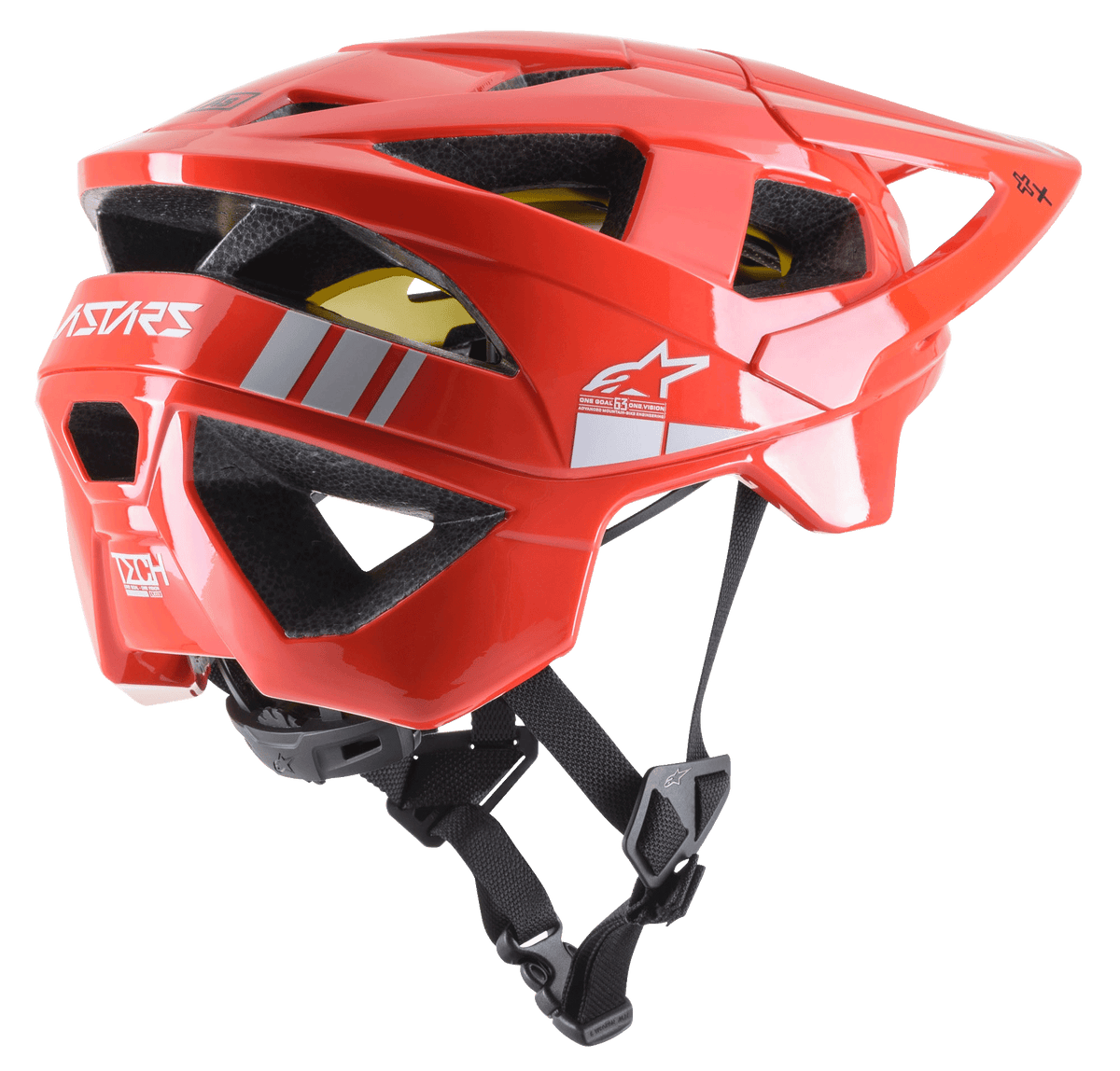


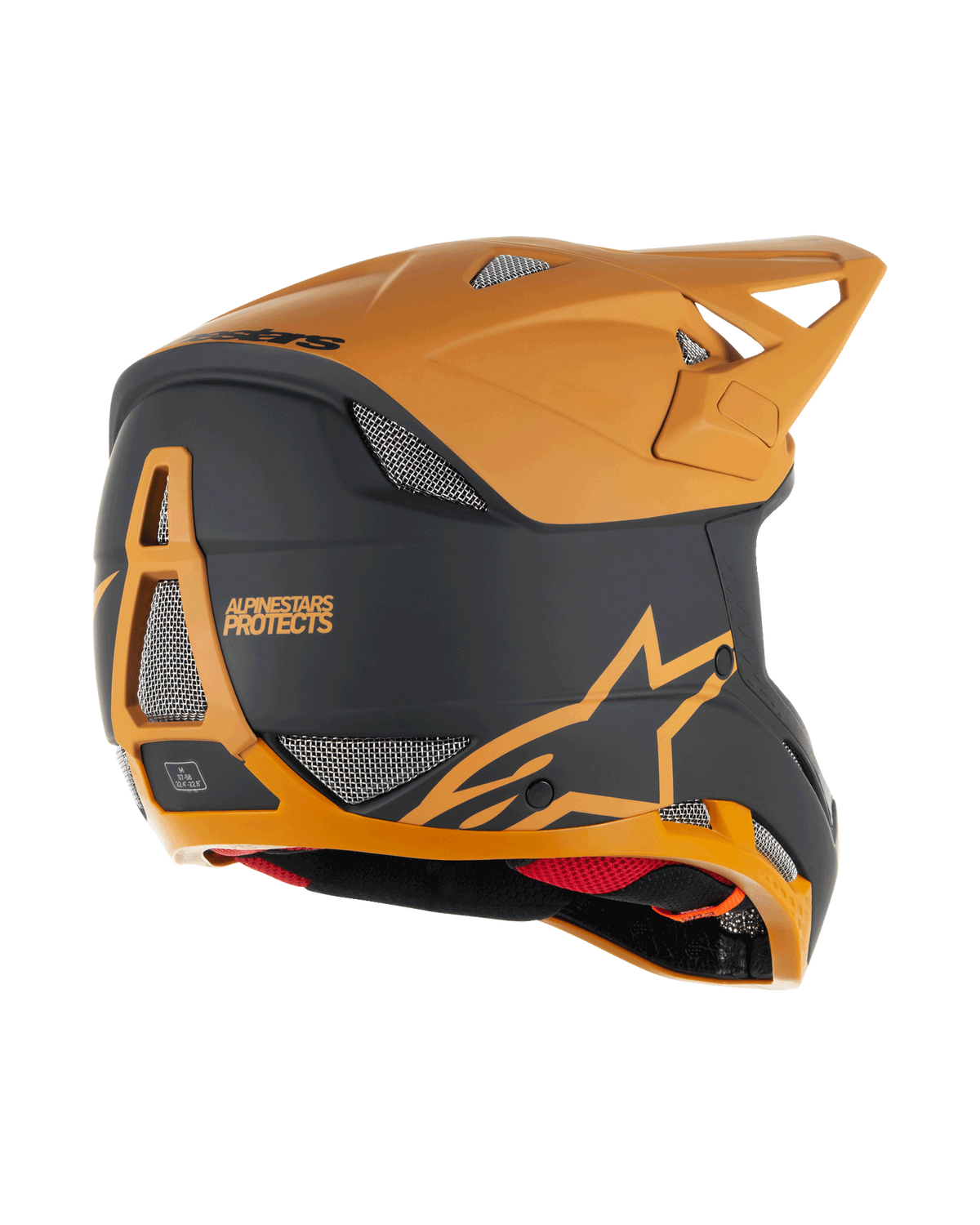

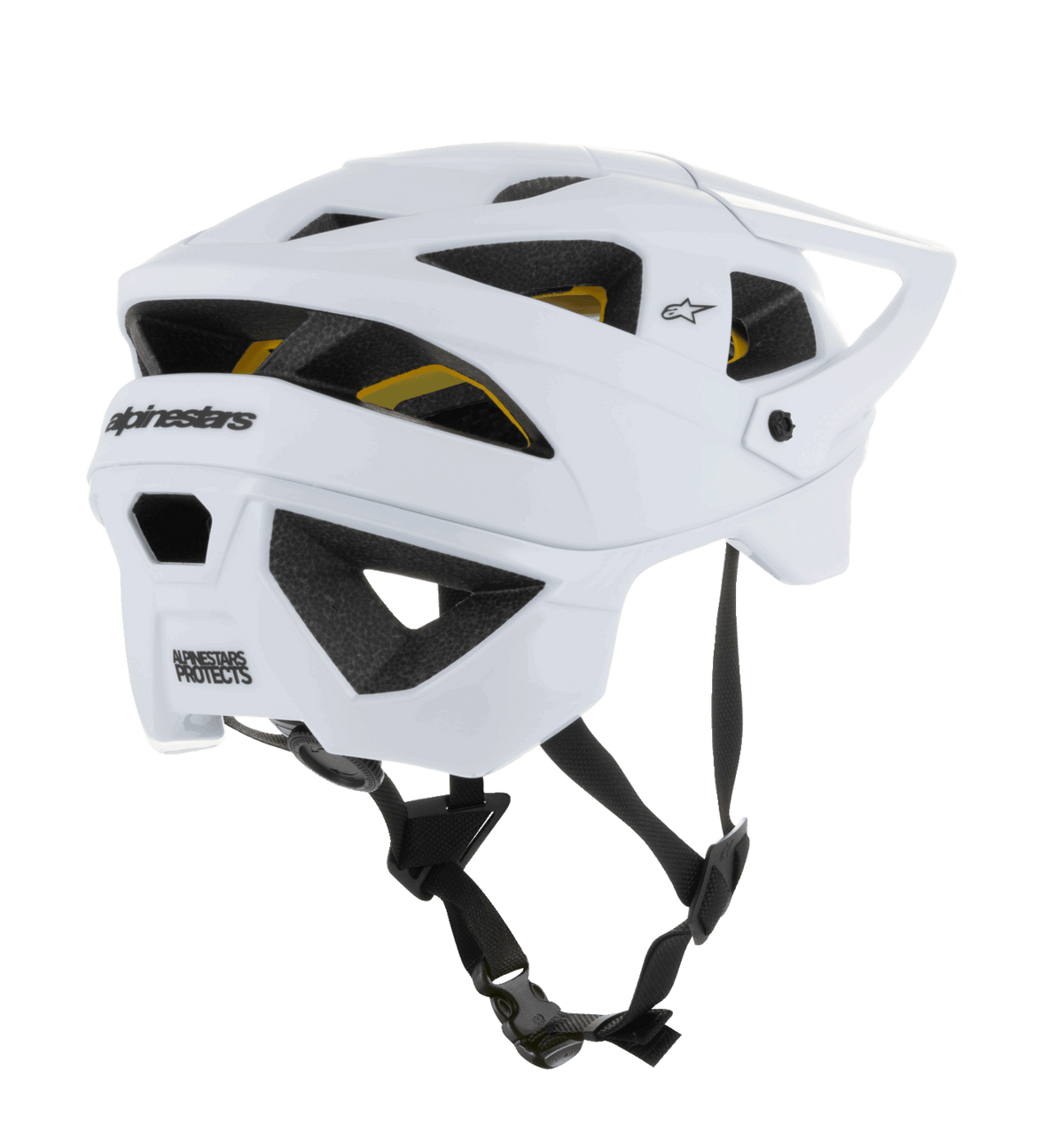

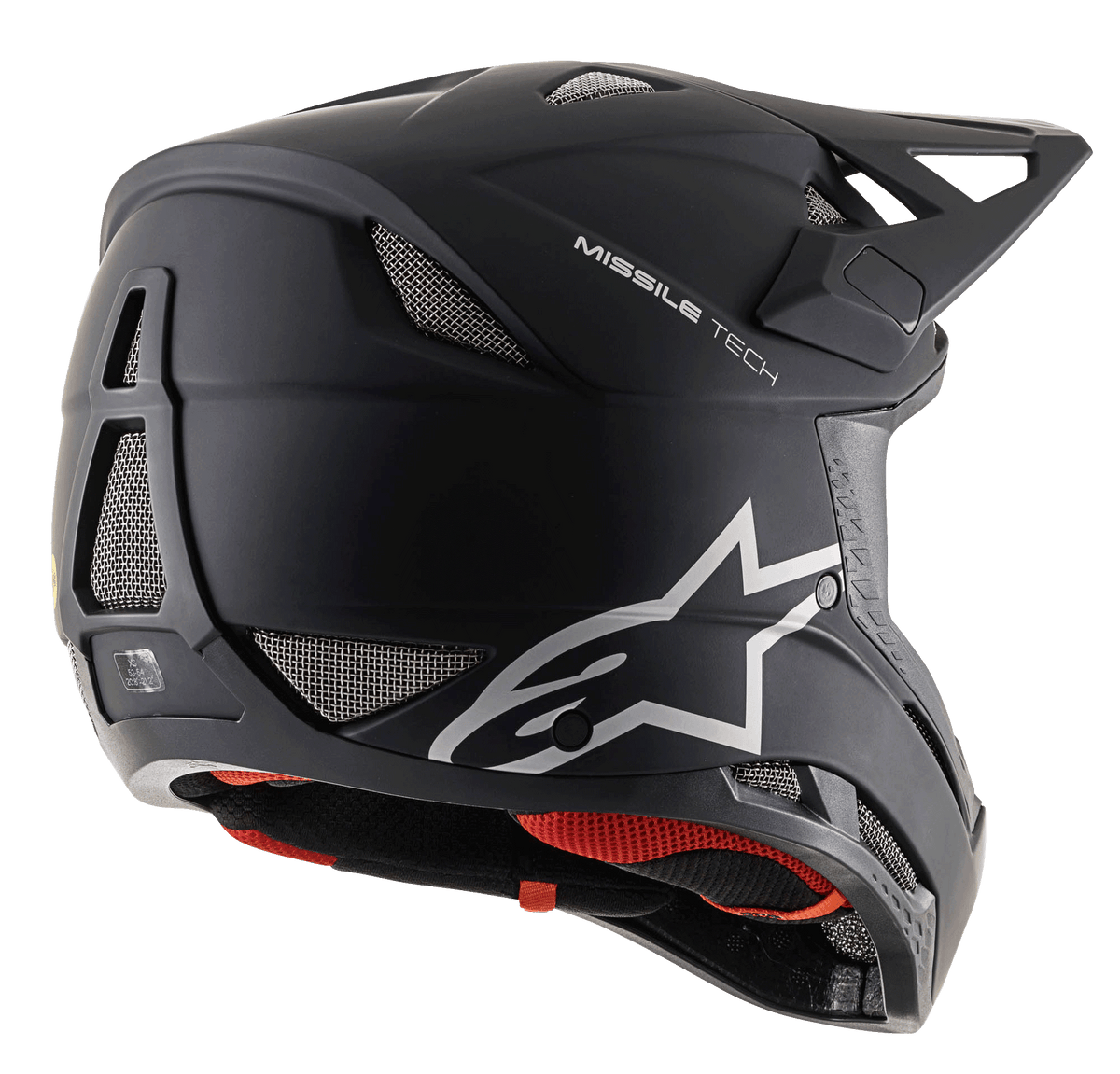


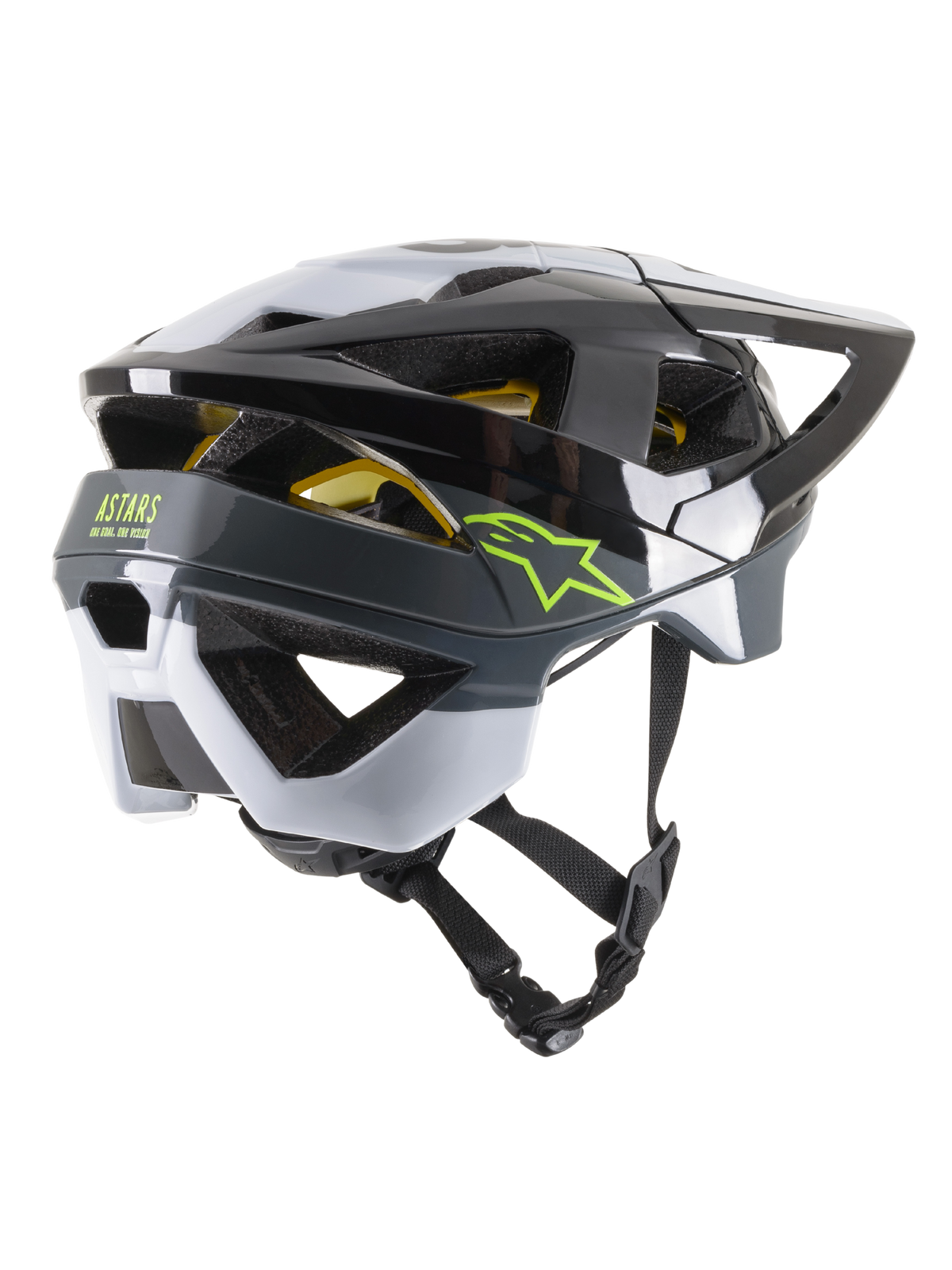



11 of 11 products
All products loaded
Frequently asked questions Hide FAQs
What makes Alpinestars MTB helmets different from regular bike helmets?
Alpinestars MTB helmets are engineered specifically for mountain biking's unique demands, combining motorsport-derived protection technology with trail-specific features. These helmets feature advanced impact absorption systems, extended rear coverage for downhill protection, optimized ventilation for intense climbing, and integration points for goggles and visors. Built with the same safety-first philosophy that protects MotoGP and Formula 1 champions, our MTB helmets deliver race-proven protection adapted for off-road cycling disciplines.
Are Alpinestars MTB helmets suitable for both trail riding and downhill racing?
Yes, this collection includes helmets designed for various MTB disciplines. Trail and enduro-oriented models balance ventilation, coverage, and weight for all-mountain riding, while downhill-specific designs offer maximum protection with full-face construction and enhanced impact zones. Each helmet is engineered to meet the specific safety and performance requirements of its intended discipline, from cross-country racing to gravity-focused riding.
What safety certifications do Alpinestars MTB helmets meet?
Alpinestars MTB helmets are certified to relevant international safety standards including CPSC (USA), EN 1078 (Europe), and AS/NZS 2063 (Australia/New Zealand) for trail and enduro models. Full-face downhill helmets meet additional certifications such as ASTM F1952 and EN 1078. These certifications ensure our helmets have undergone rigorous impact testing and meet or exceed required safety thresholds for mountain biking protection.
How do I determine the right size MTB helmet?
To find your correct helmet size, measure your head circumference at its widest point, approximately one inch above your eyebrows. Match this measurement to the size chart provided with each helmet model, as sizing can vary between designs. A properly fitted MTB helmet should sit level on your head, feel snug but comfortable without pressure points, and remain stable when you shake your head. The retention system should allow fine-tuning for a secure, personalized fit.
What ventilation features are included in Alpinestars MTB helmets?
Our MTB helmet collection incorporates strategically designed ventilation systems engineered to maximize airflow during intense riding. These include multiple intake and exhaust vents positioned to create cooling channels, internal air-routing structures that direct airflow over the head, and moisture-wicking padding that enhances comfort. The ventilation architecture balances cooling performance with structural integrity, ensuring optimal temperature regulation without compromising impact protection on demanding trails.