
75 results
-
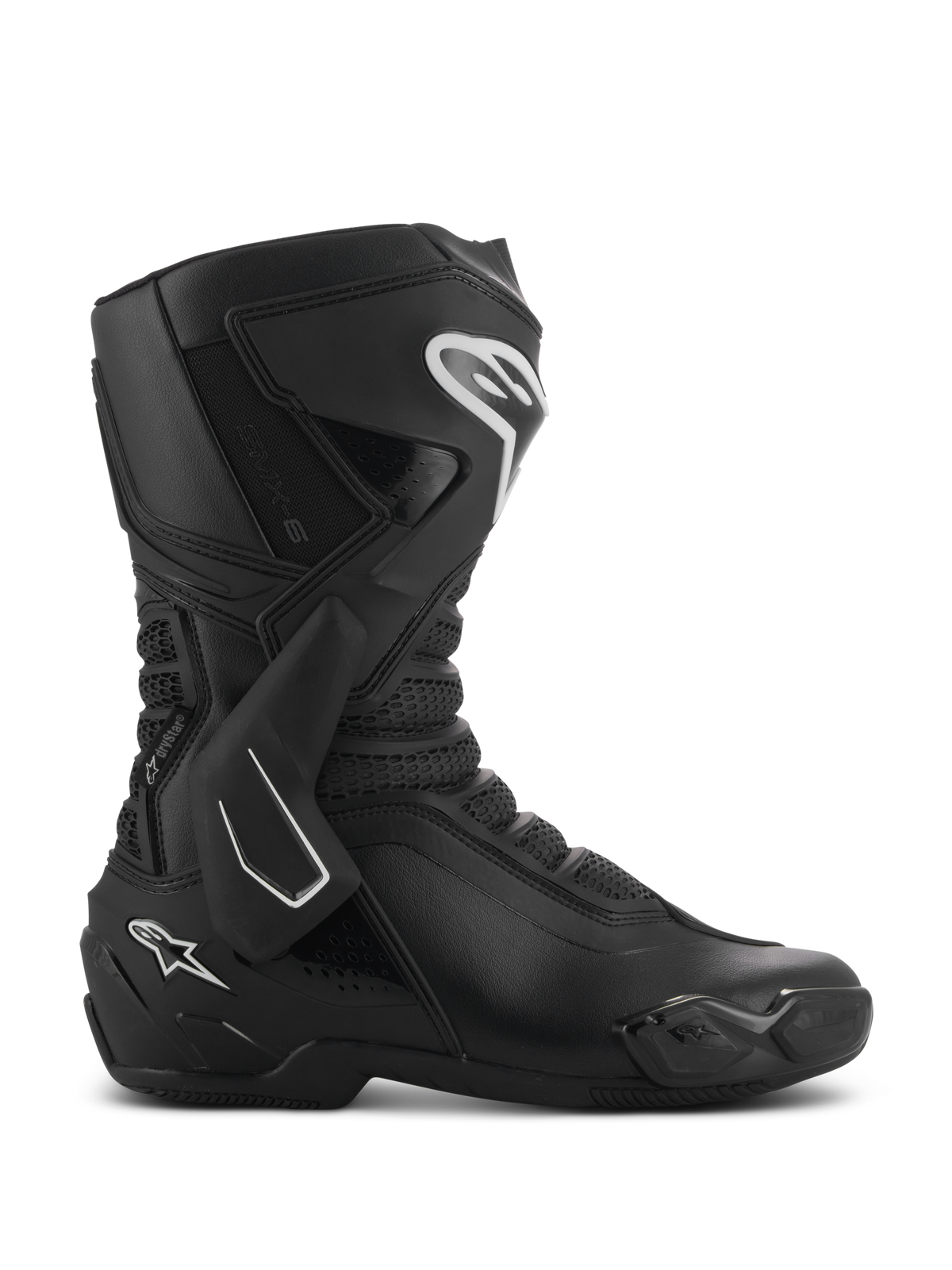
SMX-6 V3 Drystar® Boots -
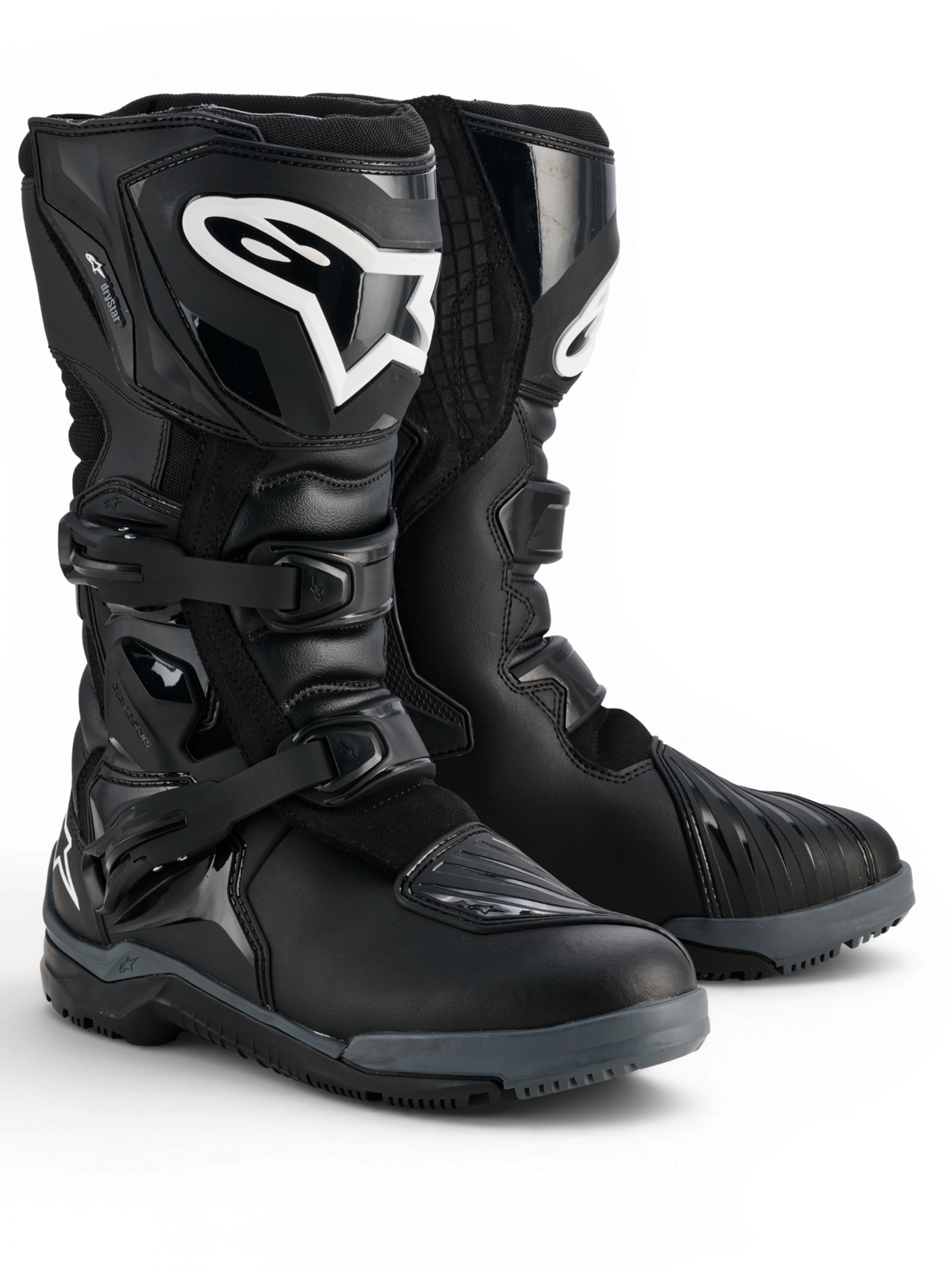
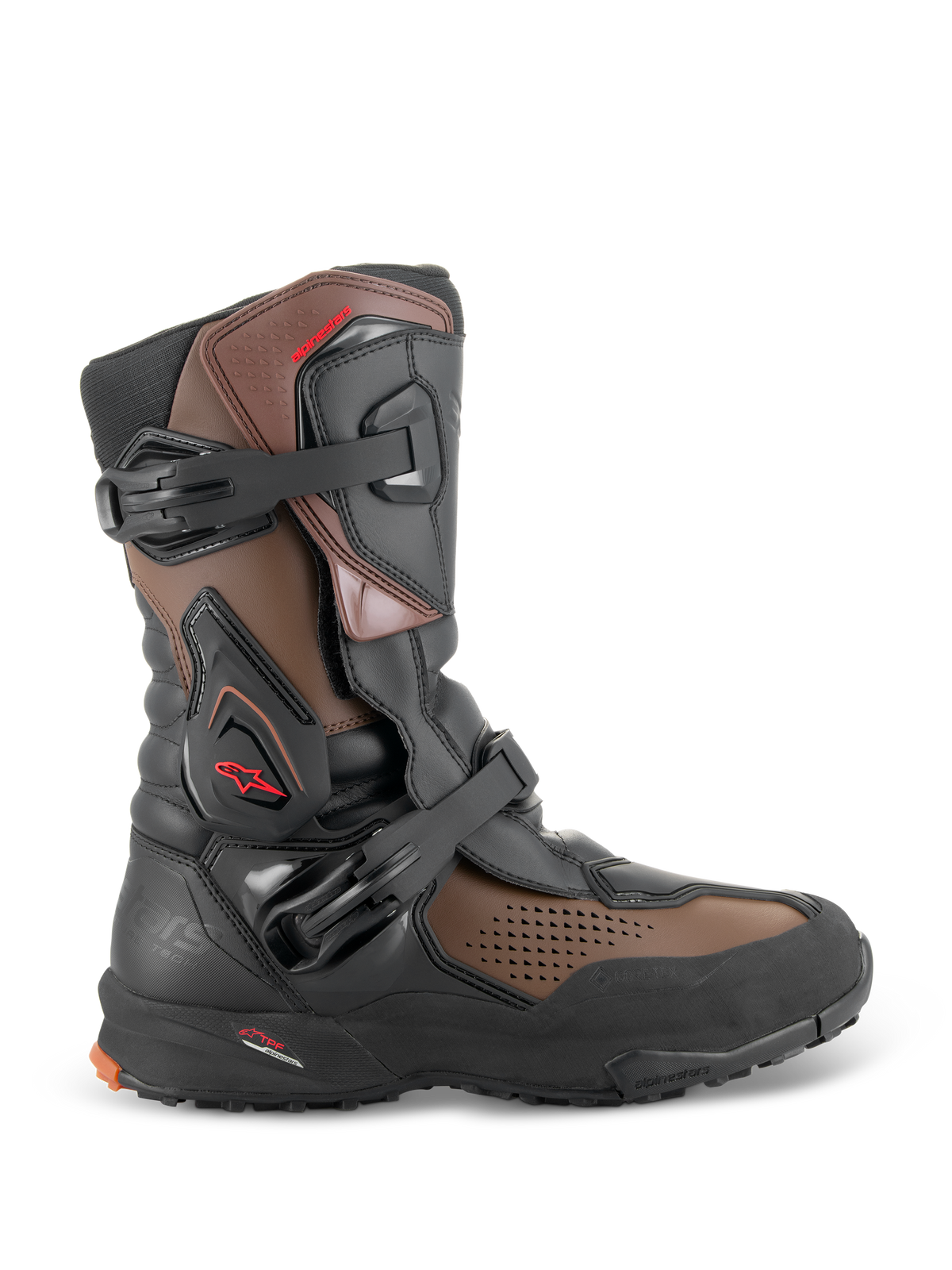
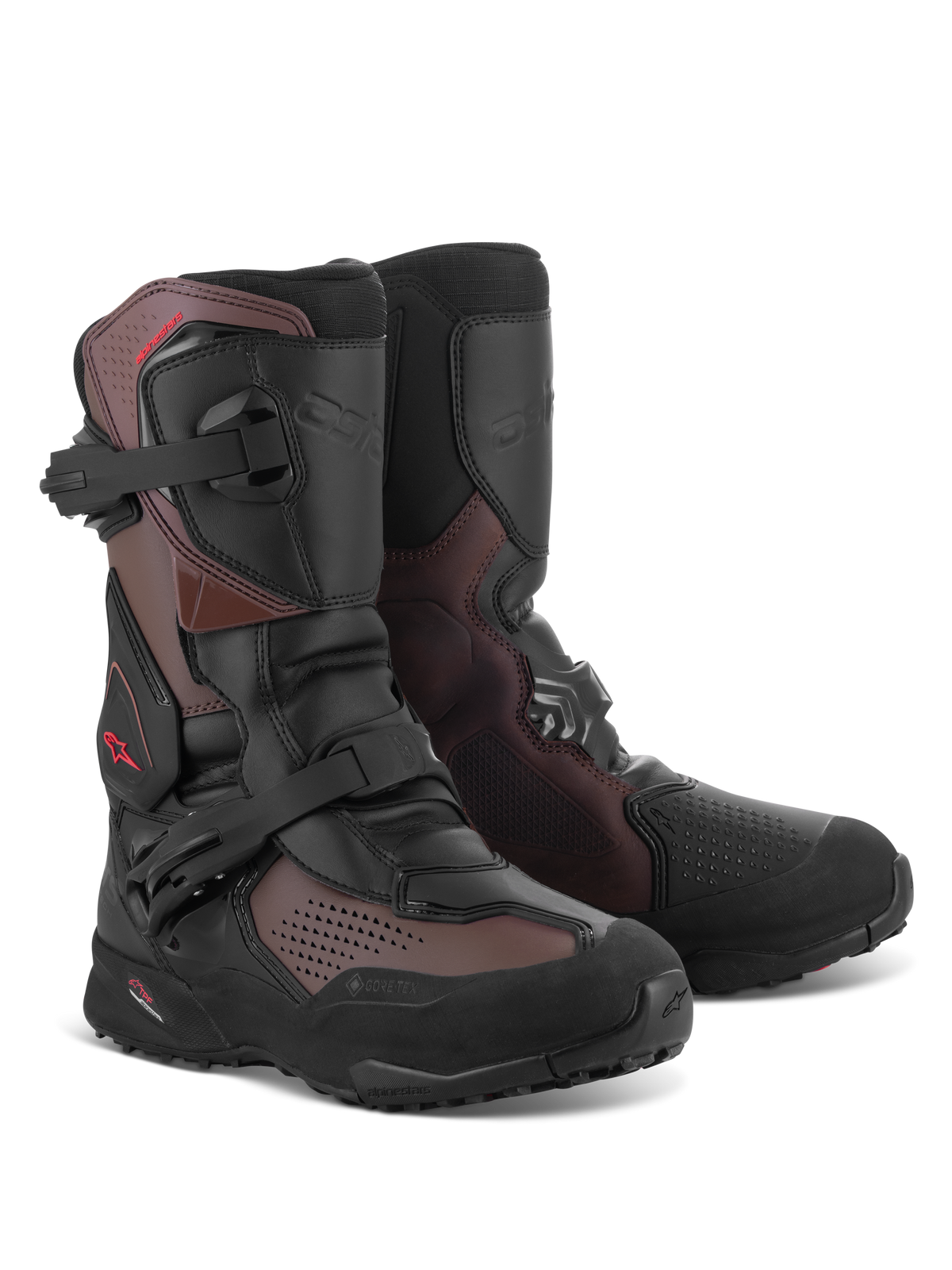
Corozal V2 Adventure Drystar® Boots -
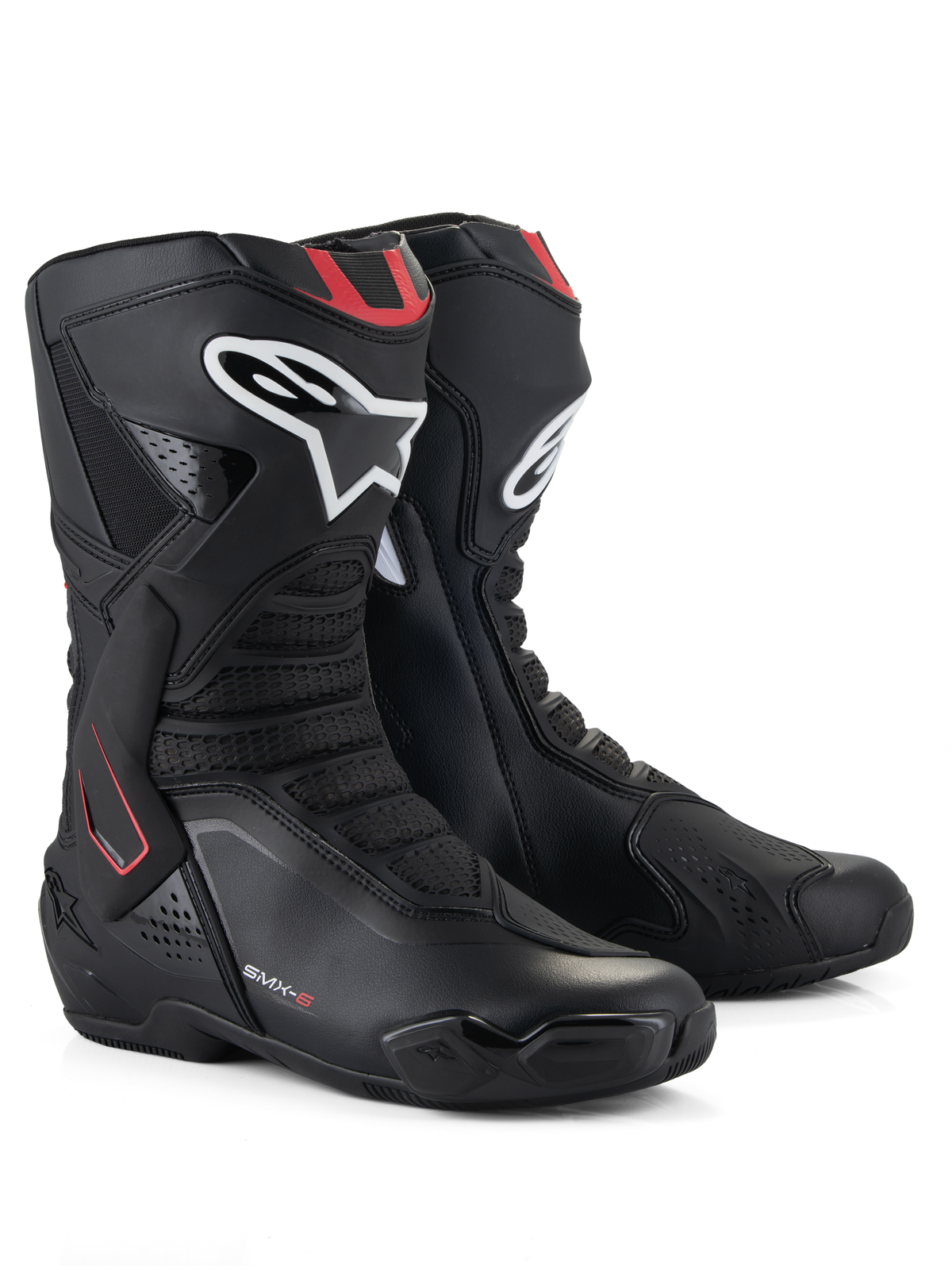
SMX-6 V3 Boots -
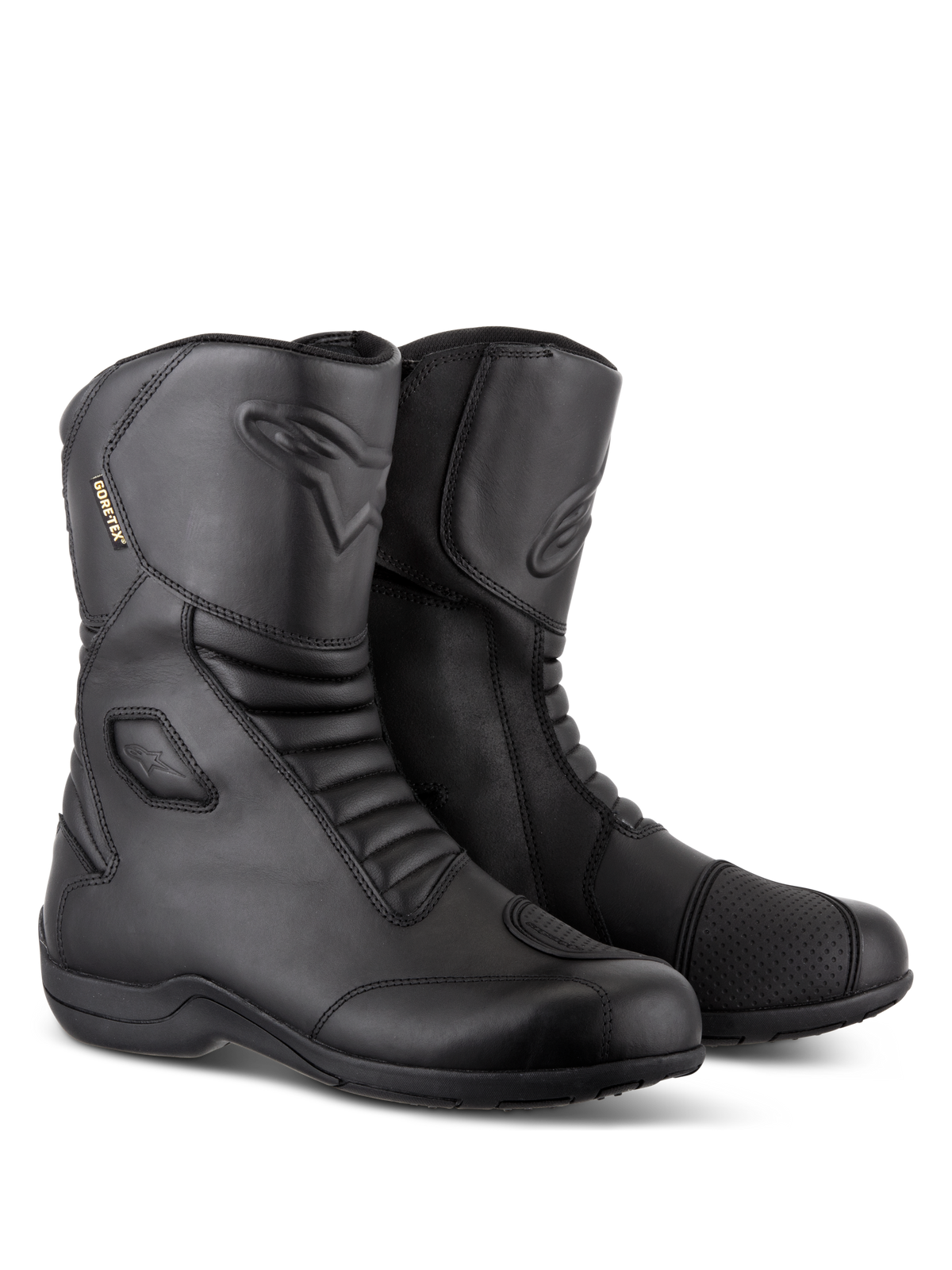
Web GORE-TEX Boots -
Stella SMX-6 V3 Boots -
SP-X BOA® Boots -
Corozal V2 Adventure Drystar® Boots -
Stella SMX-6 V3 Drystar® Boots -
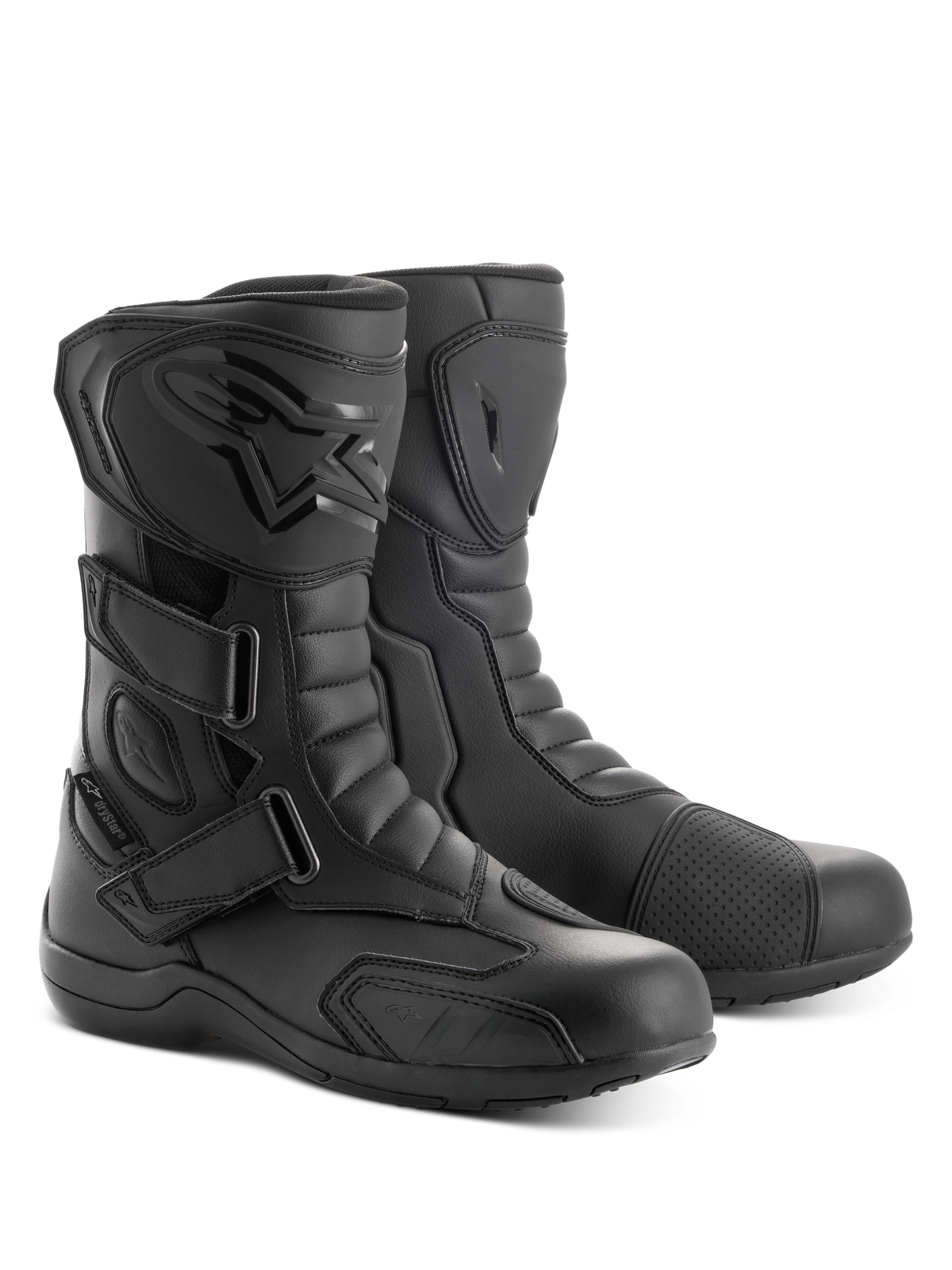
Radon Drystar® Boots -
SMX-1 R V2 Boots -
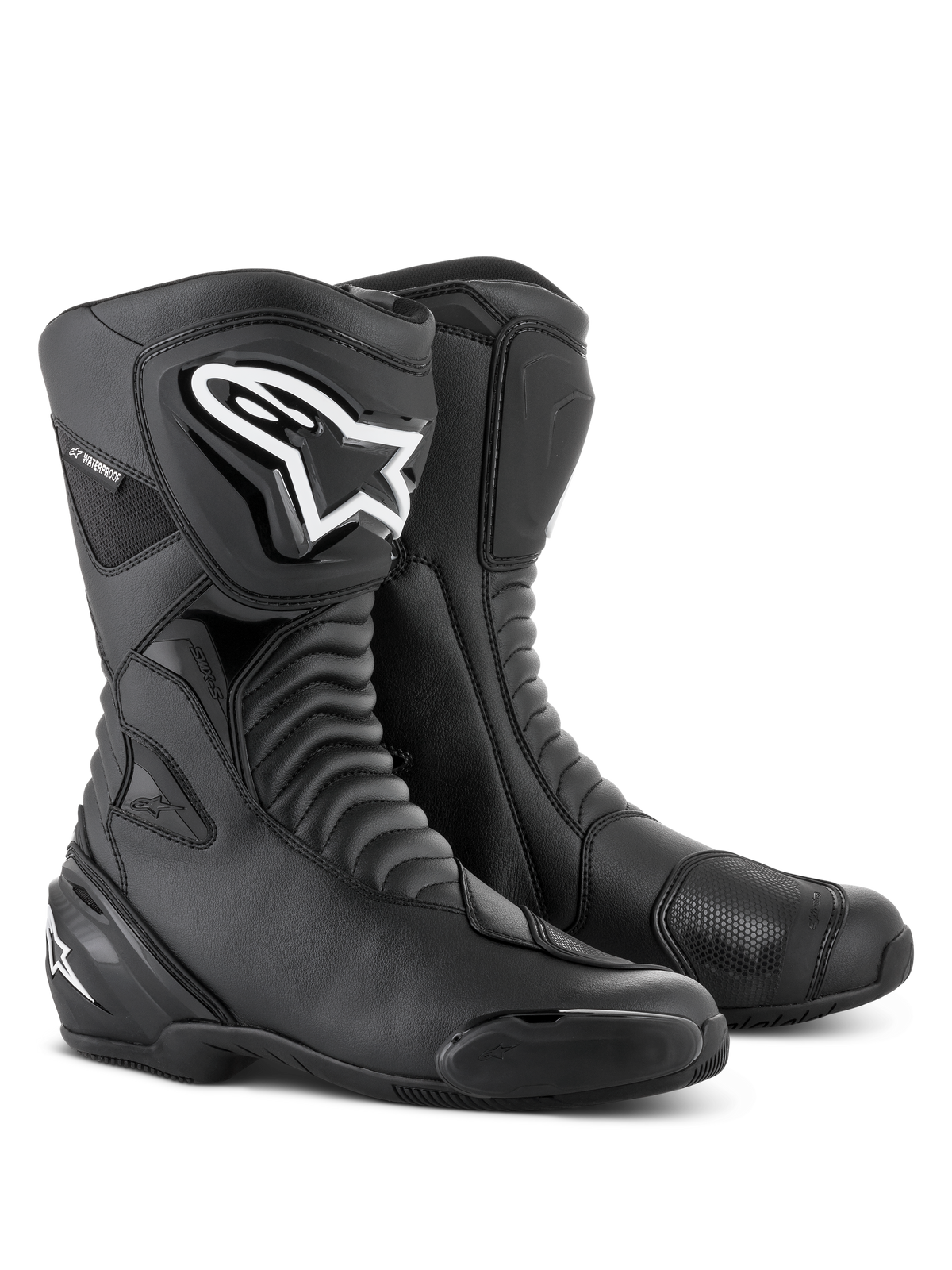
SMX S Waterproof Boots -
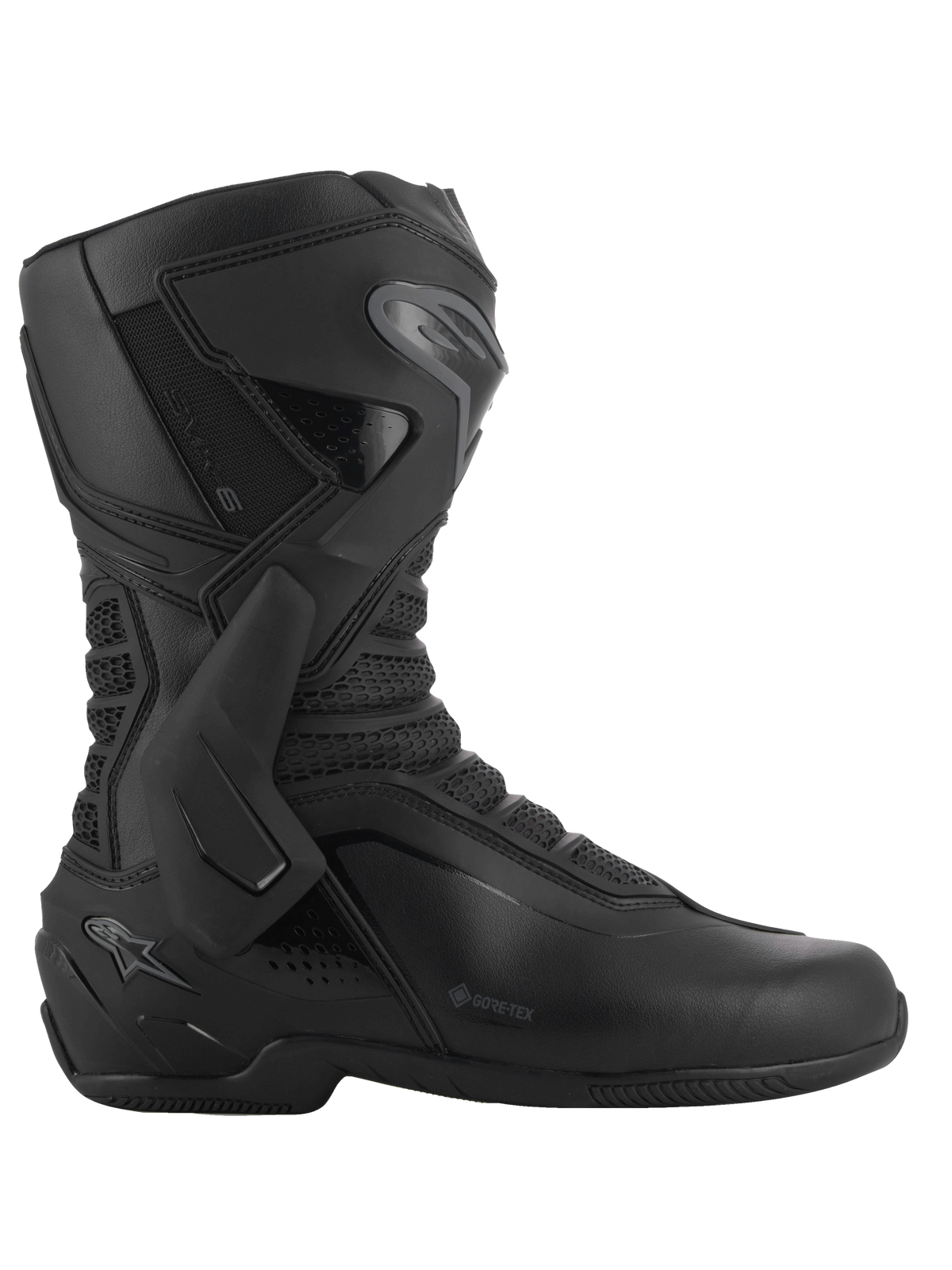
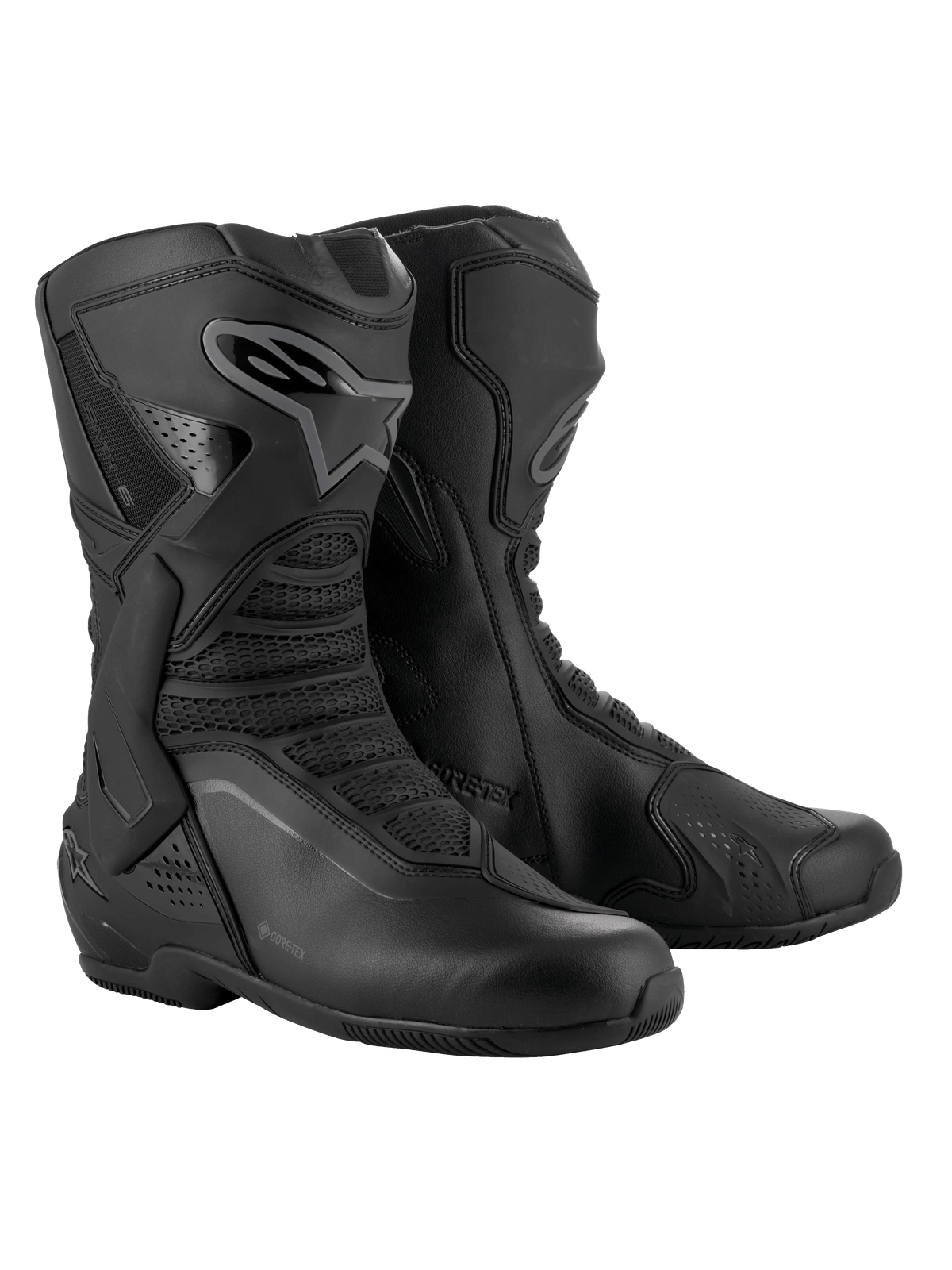
SMX-6 V3 GORE-TEX Boots -
Stella RT-7 Touring Drystar® Boots -
SMX-1 R V2 Boots -
SP-X BOA® Boots -
SMX-6 V3 Drystar® Boots -
Origin Drystar® Boots -
SMX-1 R V2 Vented Boots -
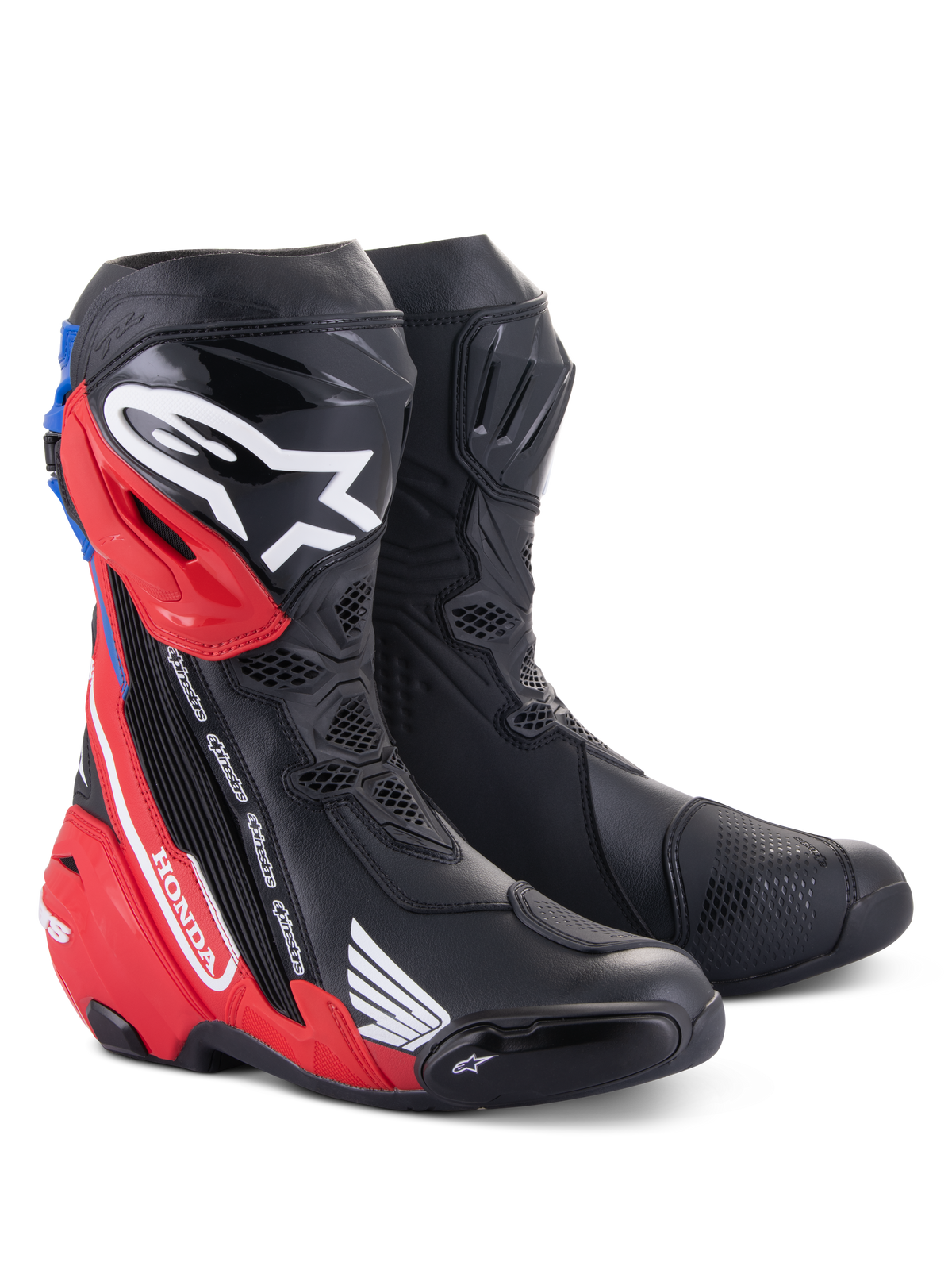
Honda SMX-6 V3 Boots -
Stella Valencia Waterproof Boots -
Belize V2 Drystar® Boots -
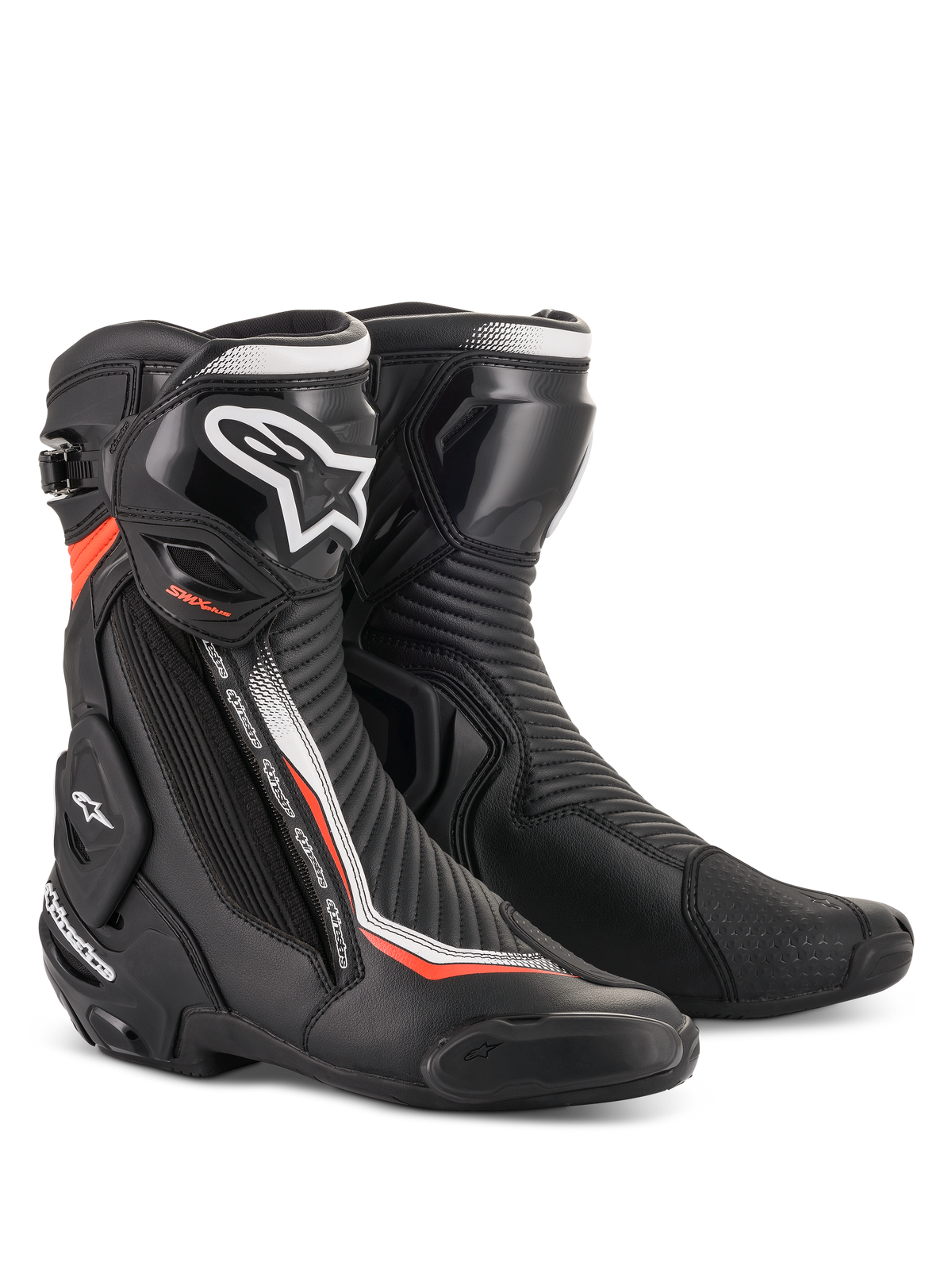
SMX Plus V2 Boots -
Supertech R Vented Boots -
Ridge V2 Waterproof Boots -
SMX Plus V2 GORE-TEX Boots -
Honda Supertech R Boots -
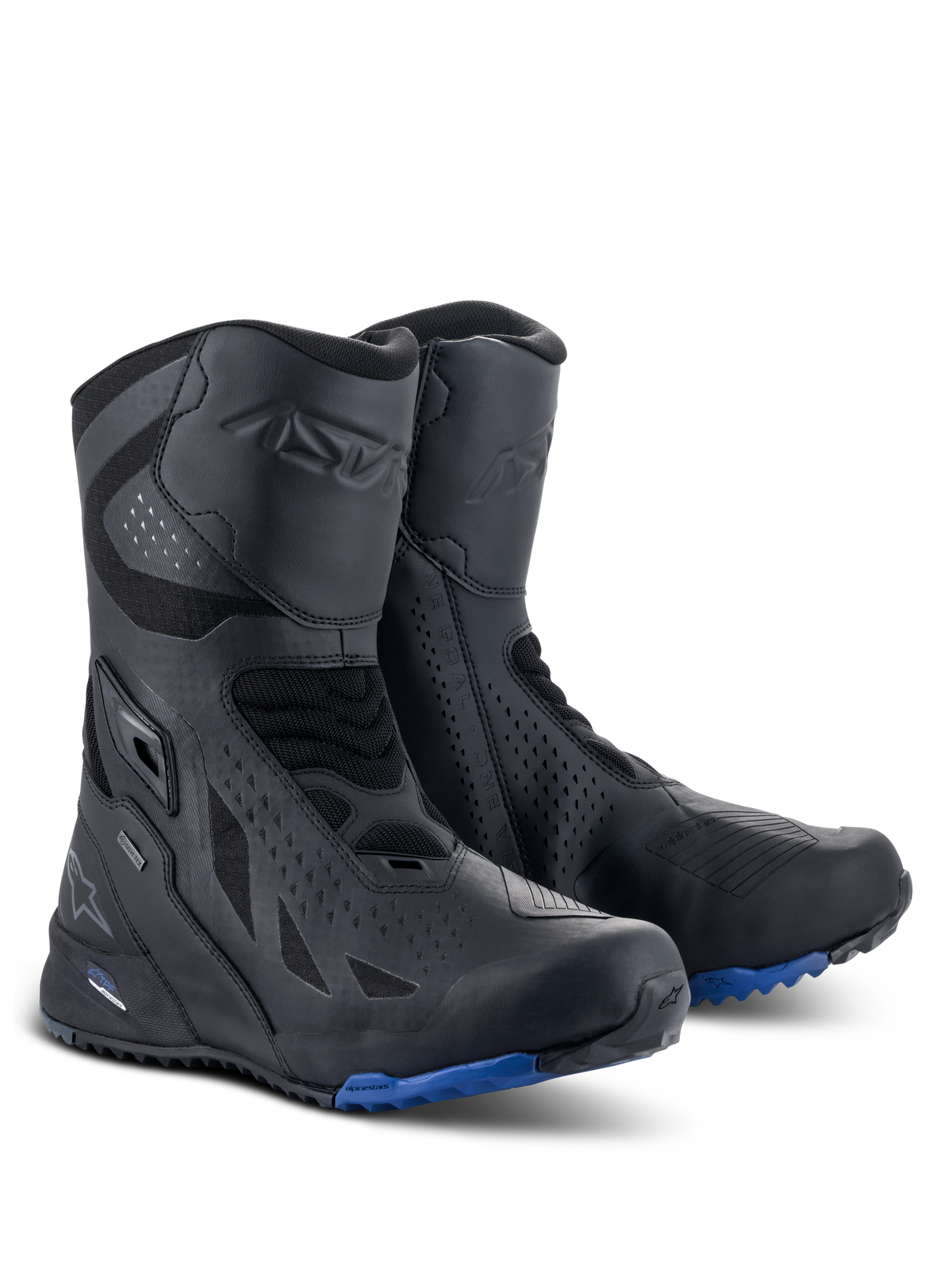
RT-8 GORE-TEX Boots -
XT-8 GORE-TEX Boots -
SMX Plus V2 Boots -
Belize V2 Drystar® Boots -
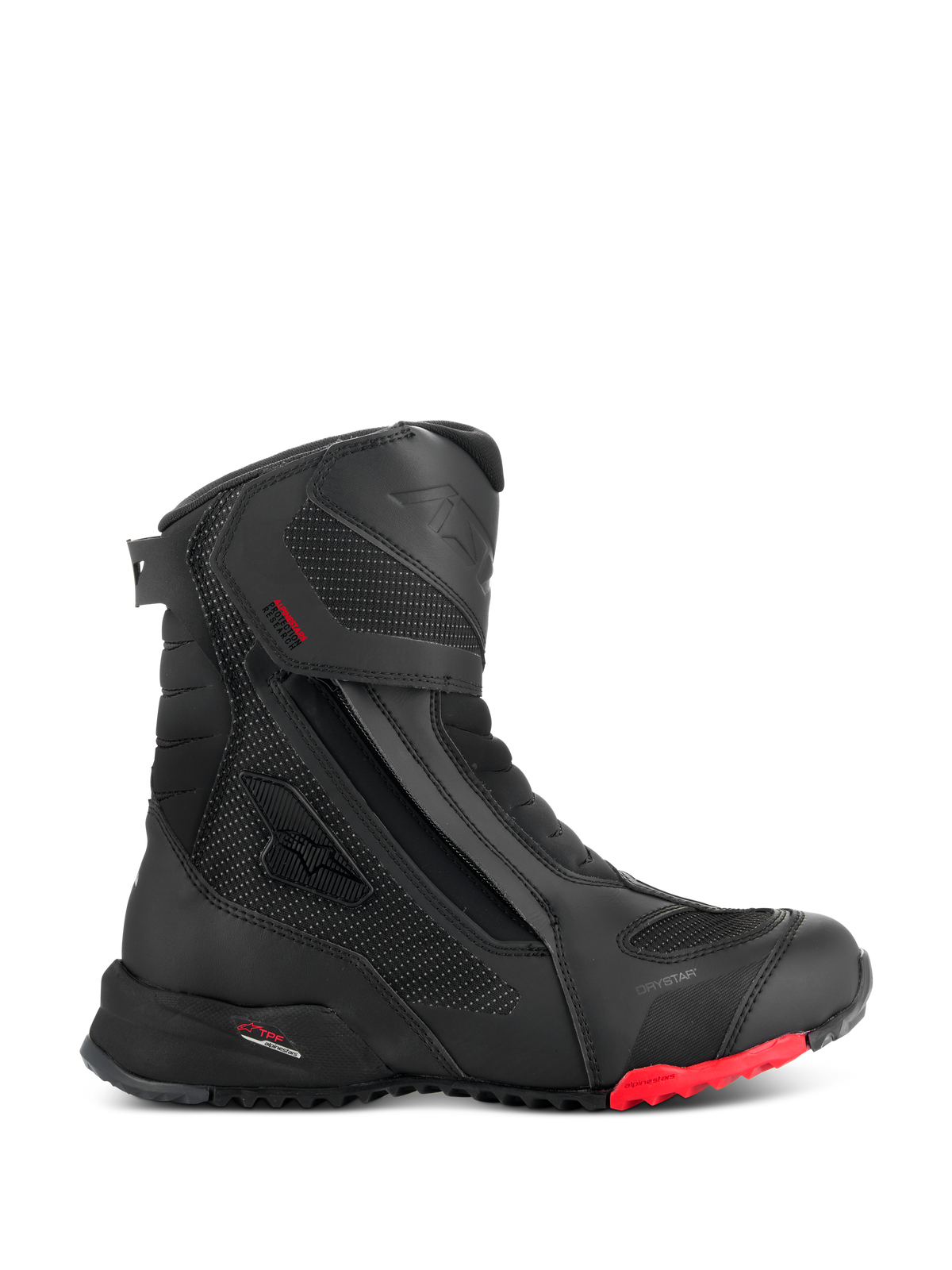
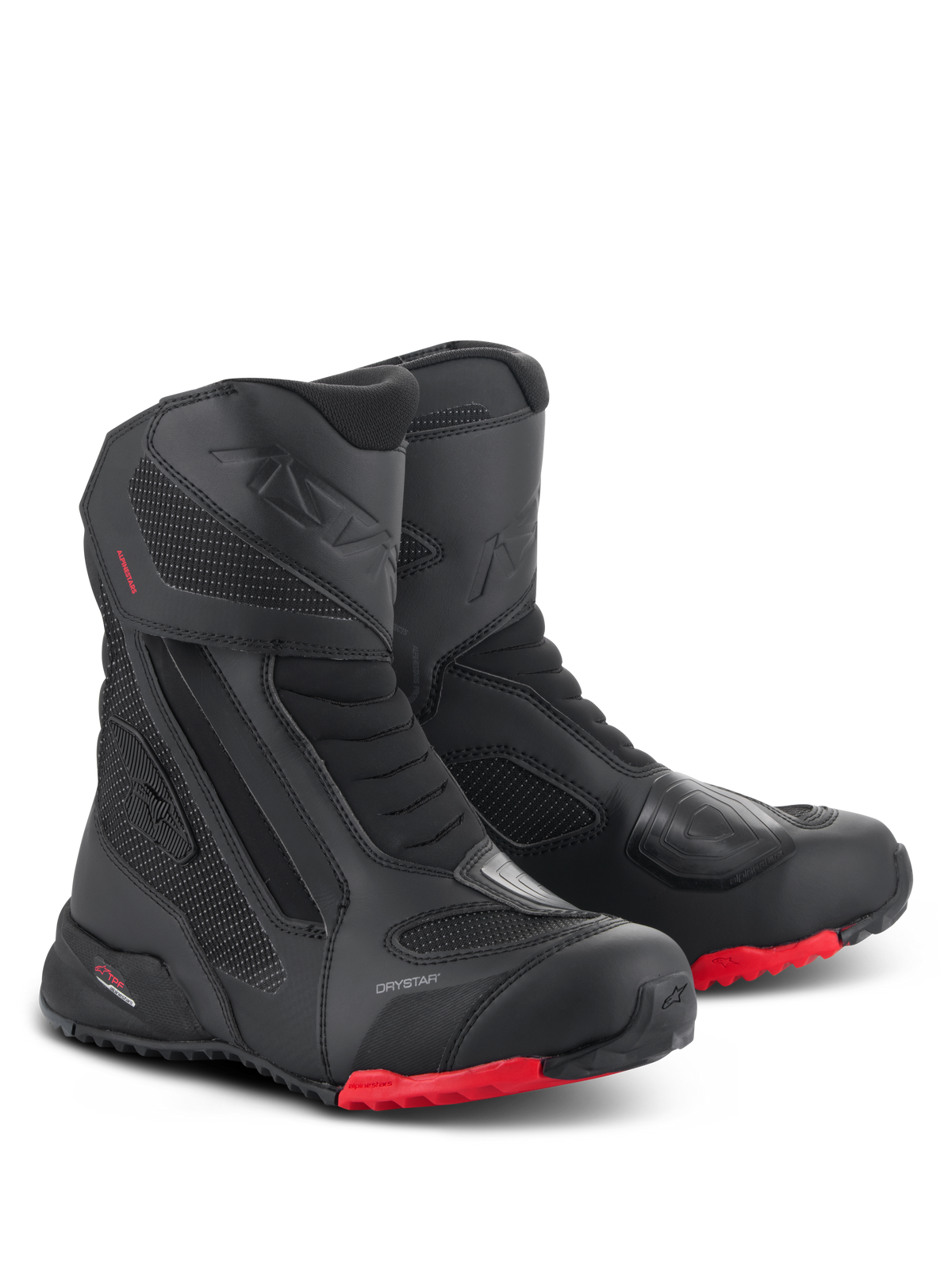
RT-7 Drystar® Boots -
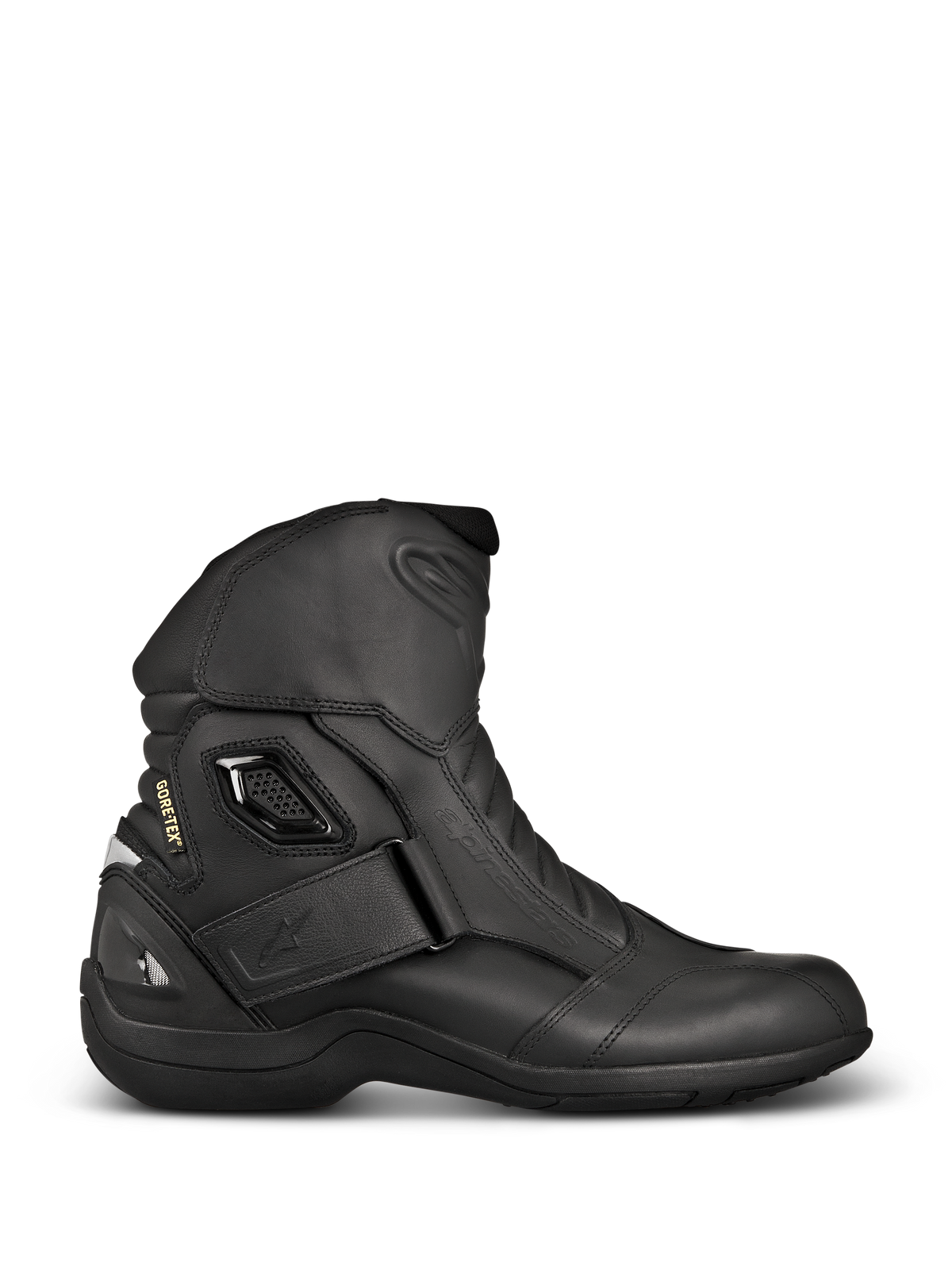
New Land GORE-TEX Boots -
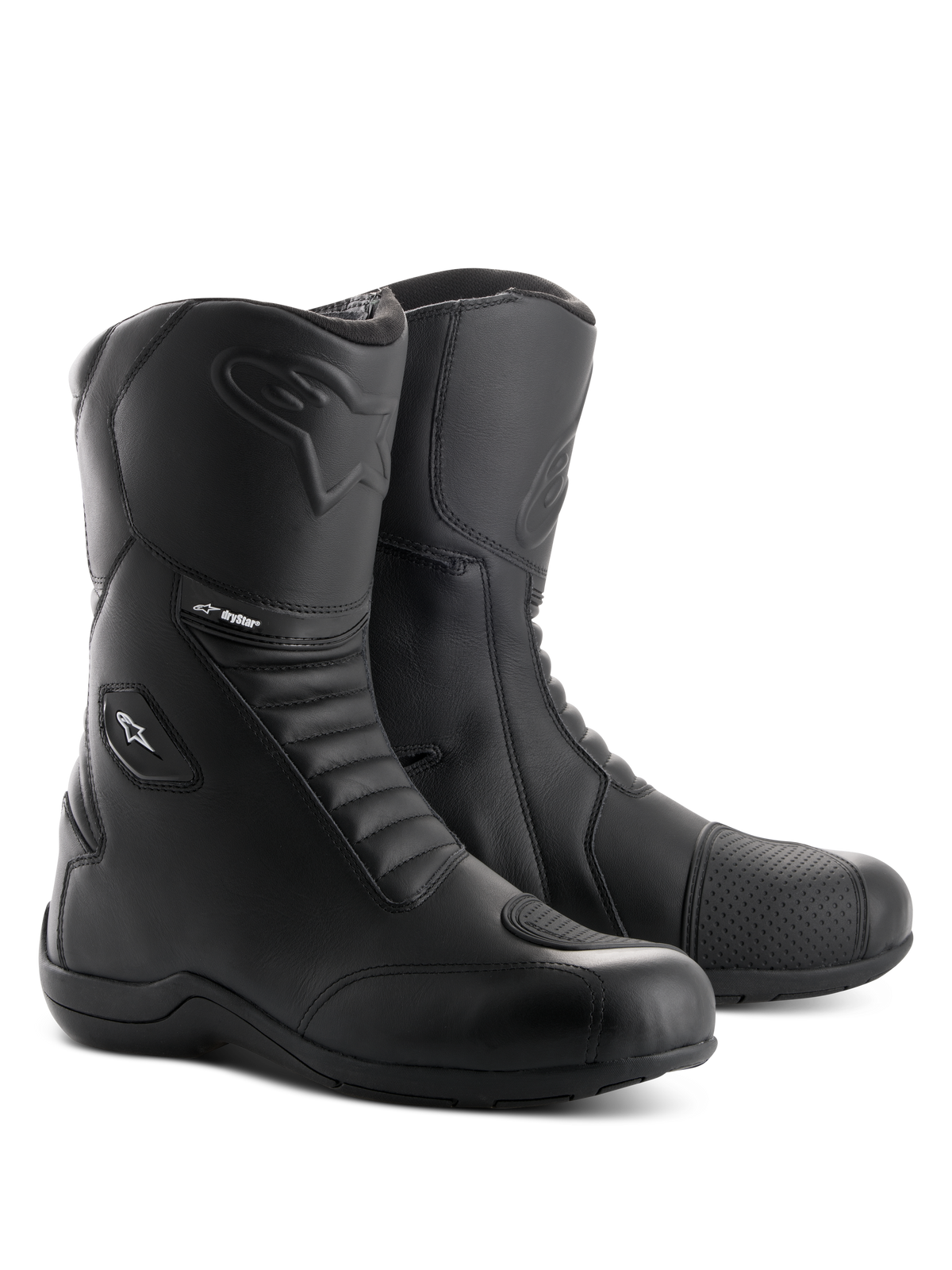
Andes V2 Drystar® Boots -
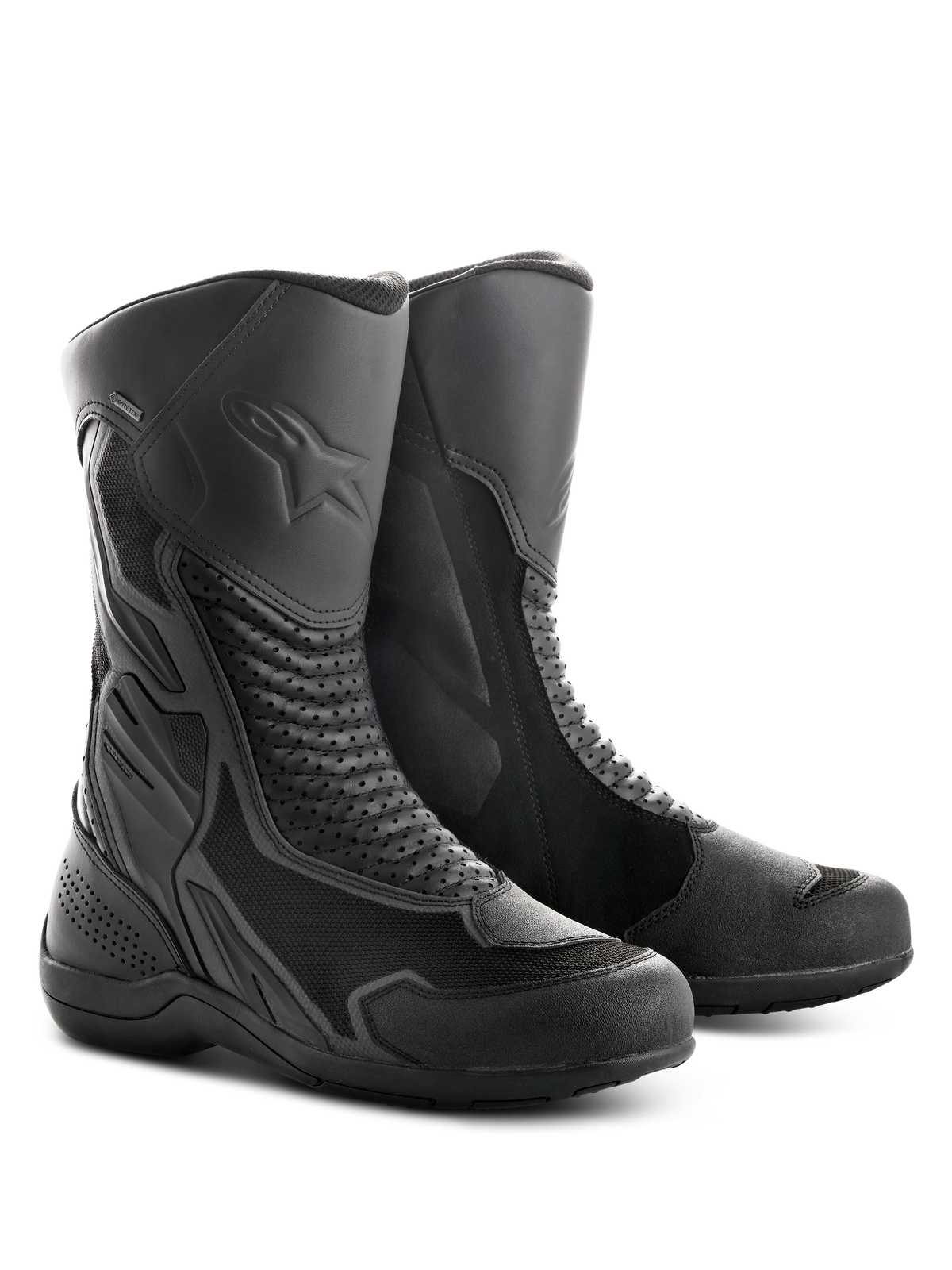
Air Plus V2 GORE-TEX Boots -
SMX-1 R V2 Vented Boots -
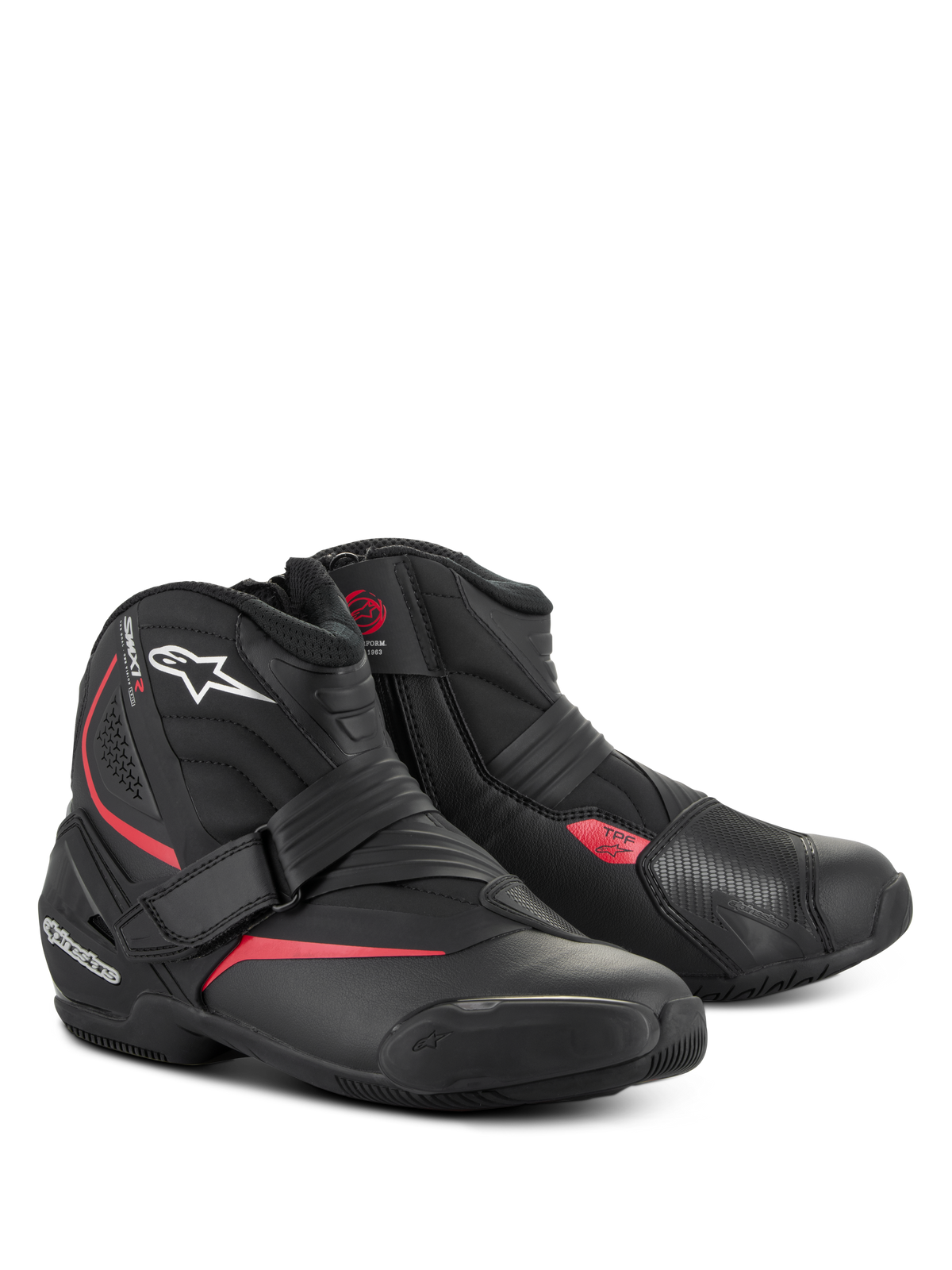
SMX-1 R V2 Boots
















































Frequently asked questions Hide FAQs
What are road motorcycle boots designed for?
Road motorcycle boots are designed for street, sport, and track-oriented riding where abrasion resistance, ankle support, shin coverage, and stable foot control are important. Compared with casual footwear, they are built to protect key impact zones while improving feel on the pegs, brake pedal, and shift lever.
Within this collection, some options are better suited to everyday road use, while others are more focused on aggressive sport riding or track days. The main difference is usually the balance between walking comfort, flexibility, and maximum structural protection.
How should road motorcycle boots fit?
Road motorcycle boots should fit securely around the heel, ankle, and instep without causing pressure points. Your toes should have a little room to move, but your foot should not slide forward when braking or shifting. A close, stable fit helps maintain control and reduces hot spots on longer rides.
Try them on with your normal riding socks and check the fit in a bent-knee riding position. A short break-in period is normal, especially on more protective sport and race boots, but they should not feel painfully tight or cause numbness.
What is the difference between road motorcycle boots and road riding shoes?
Road motorcycle boots generally provide more coverage, more shin protection, and greater ankle support than riding shoes. They are usually the better choice for higher-speed street riding, sport riding, and track use, where impact protection, abrasion resistance, and structural support are priorities.
Road riding shoes are a lower-cut alternative that can be easier to walk in and more practical for short urban rides, but they typically offer less overall coverage. If you want a more casual, lower-profile option, browse road riding shoes.
Are road motorcycle boots waterproof or vented?
This collection can include waterproof road boots, vented road boots, and standard non-membrane options. Waterproof boots are generally better for commuting, touring, and cold or wet-weather riding, while vented boots prioritize airflow for hot conditions and summer sport use.
If you ride in mixed weather throughout the year, waterproof boots are usually the more versatile choice. If your priority is maximum airflow and lower heat build-up, vented boots are typically the better option.
Are road motorcycle boots CE certified, and what does EN 13634 mean?
Many road motorcycle boots are CE certified to EN 13634, which is the European standard for protective motorcycle footwear. This standard evaluates areas such as abrasion resistance, impact and cut resistance, transverse rigidity, and minimum boot height and coverage.
Certification can vary by model, so the exact rating should always be confirmed on the product page or boot labeling. At collection level, CE certification is one of the clearest indicators that the footwear is built for motorcycle use rather than casual wear.