
26 results
-
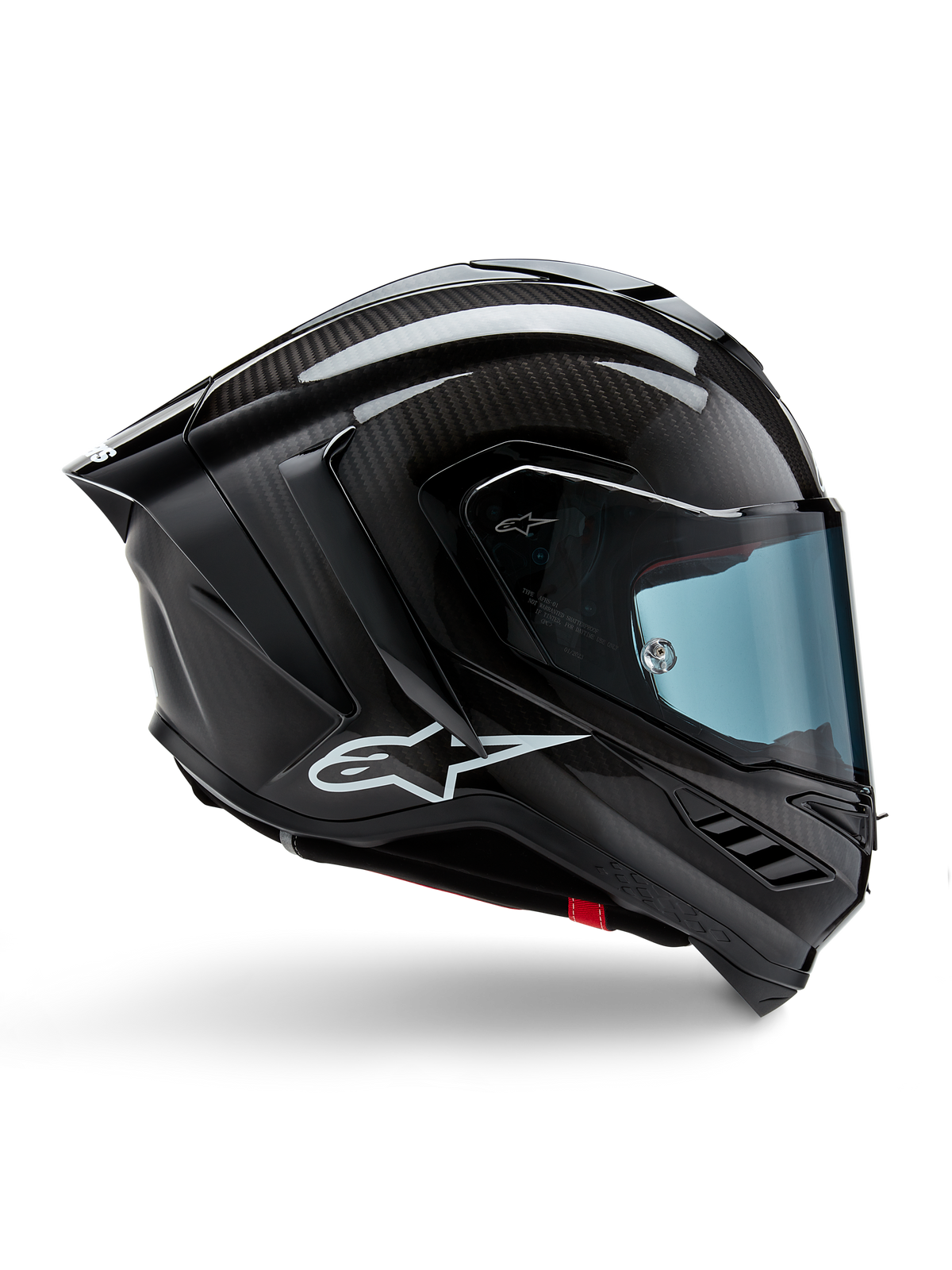
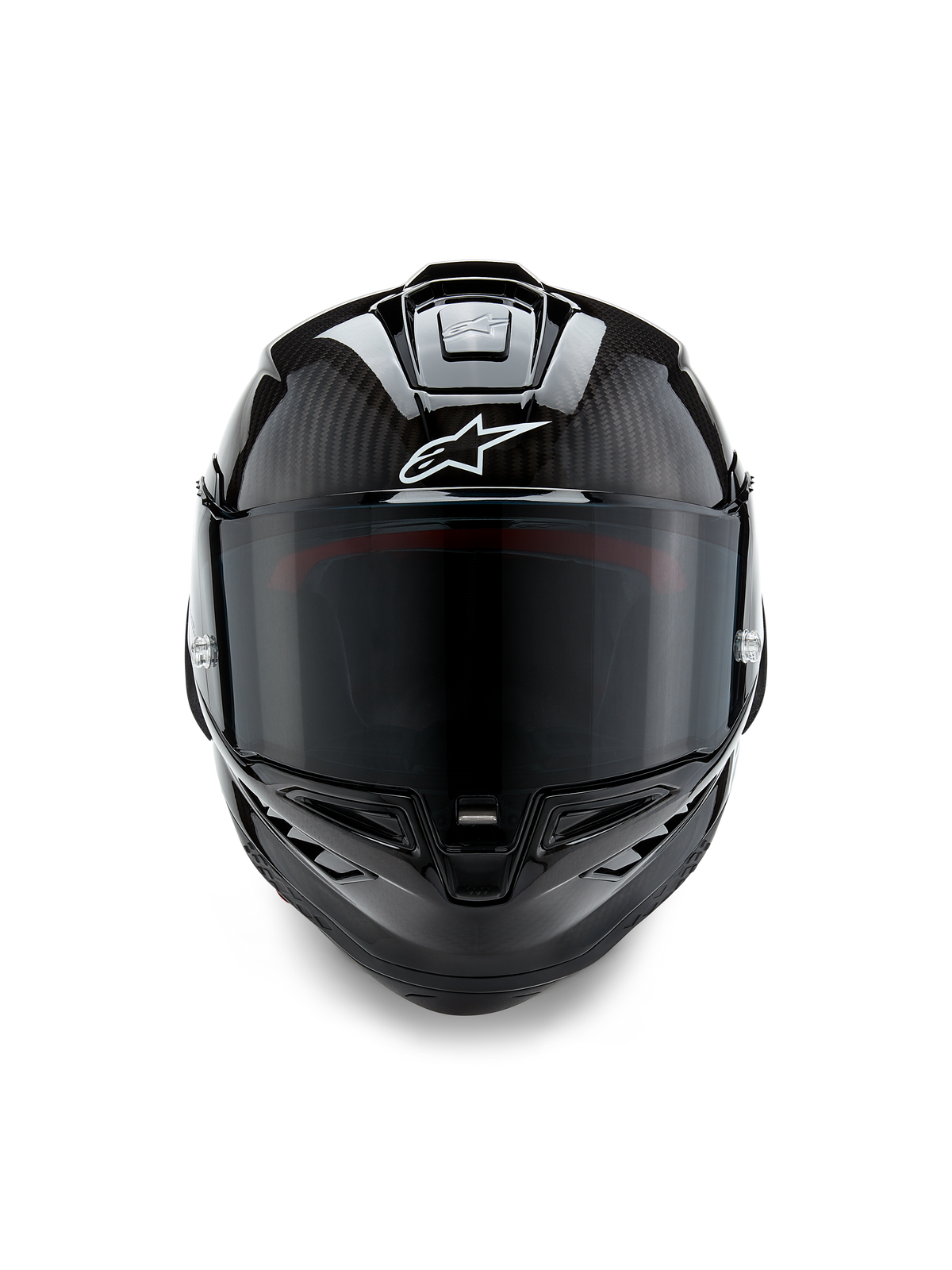
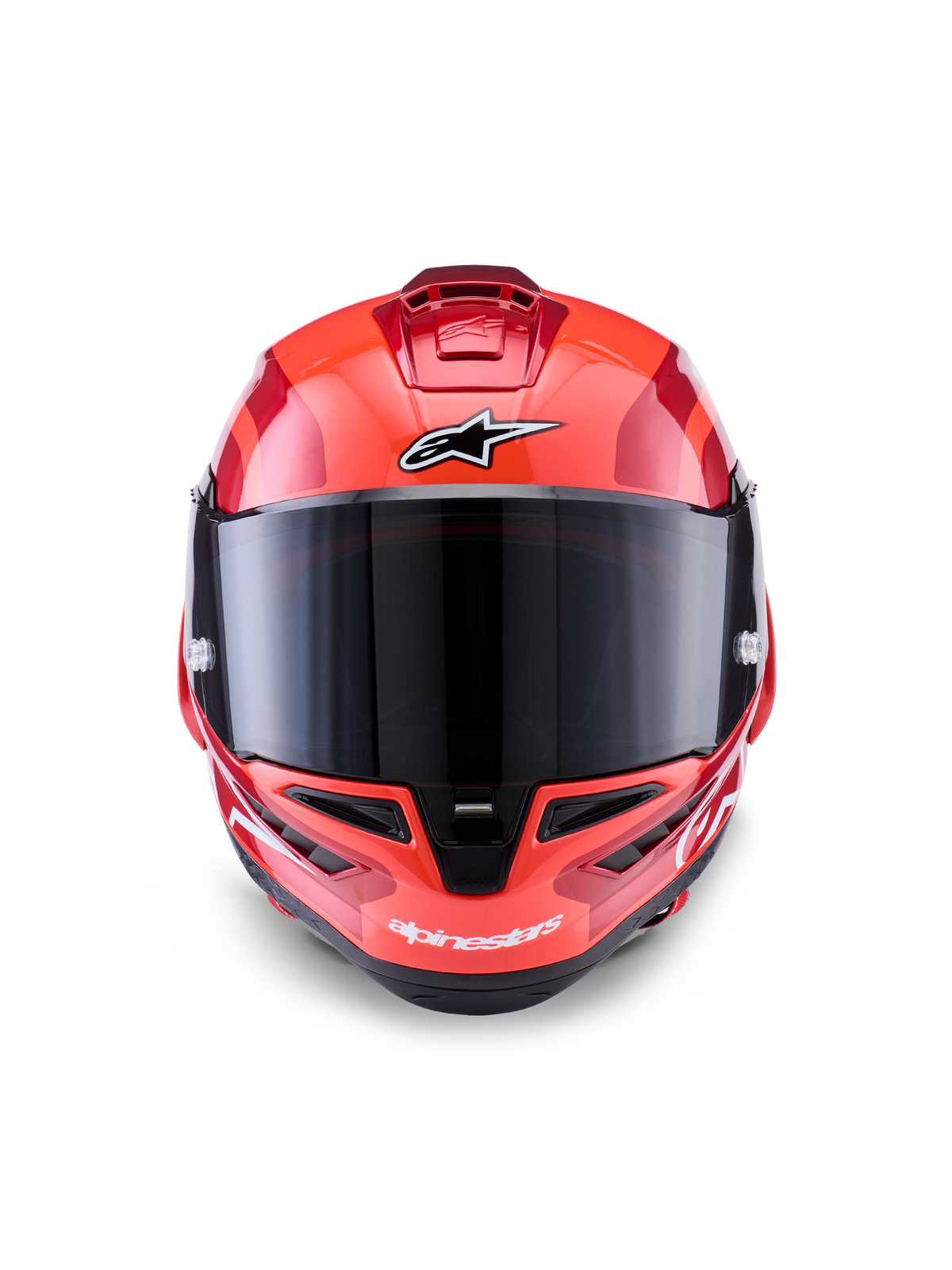
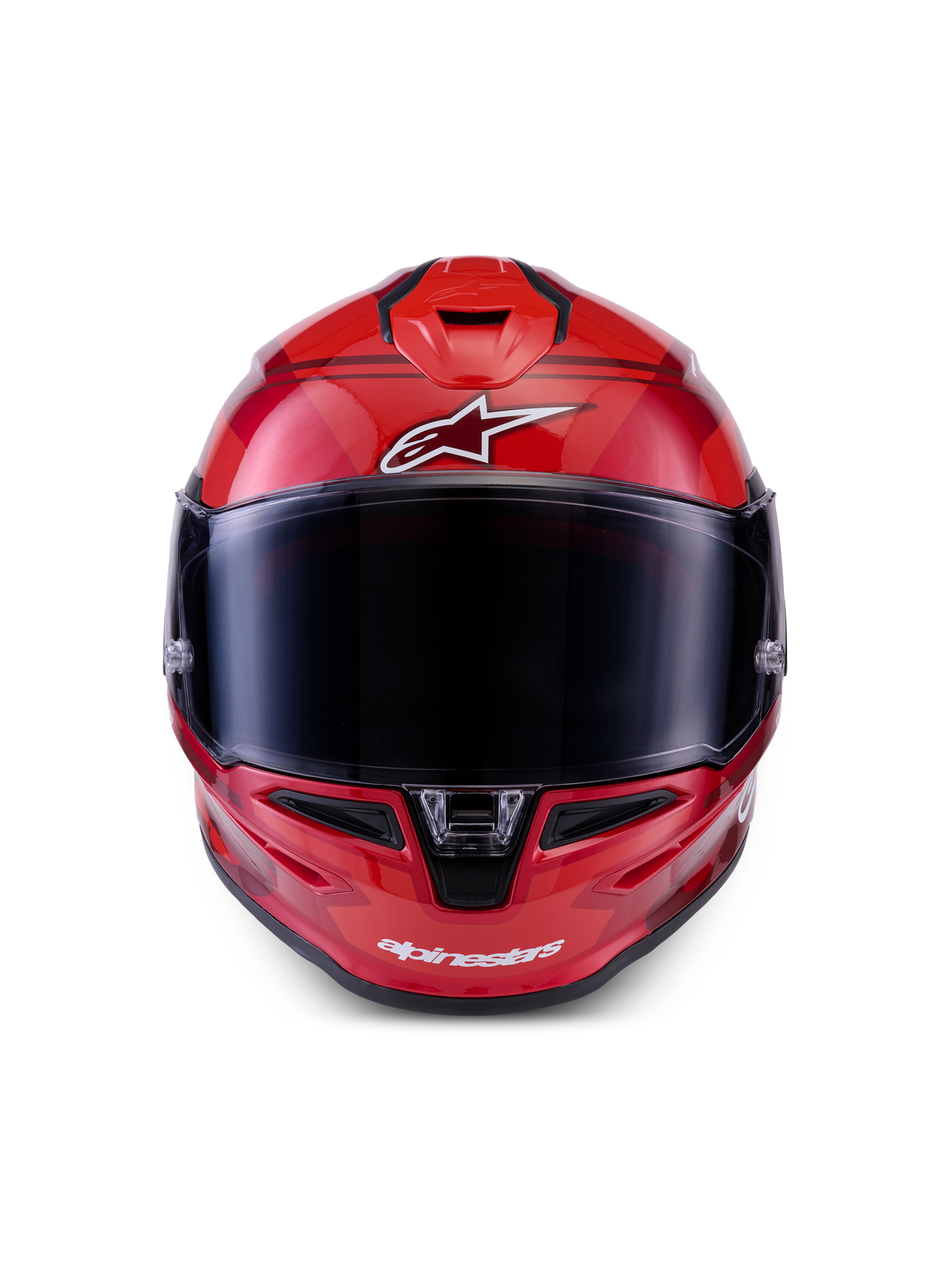
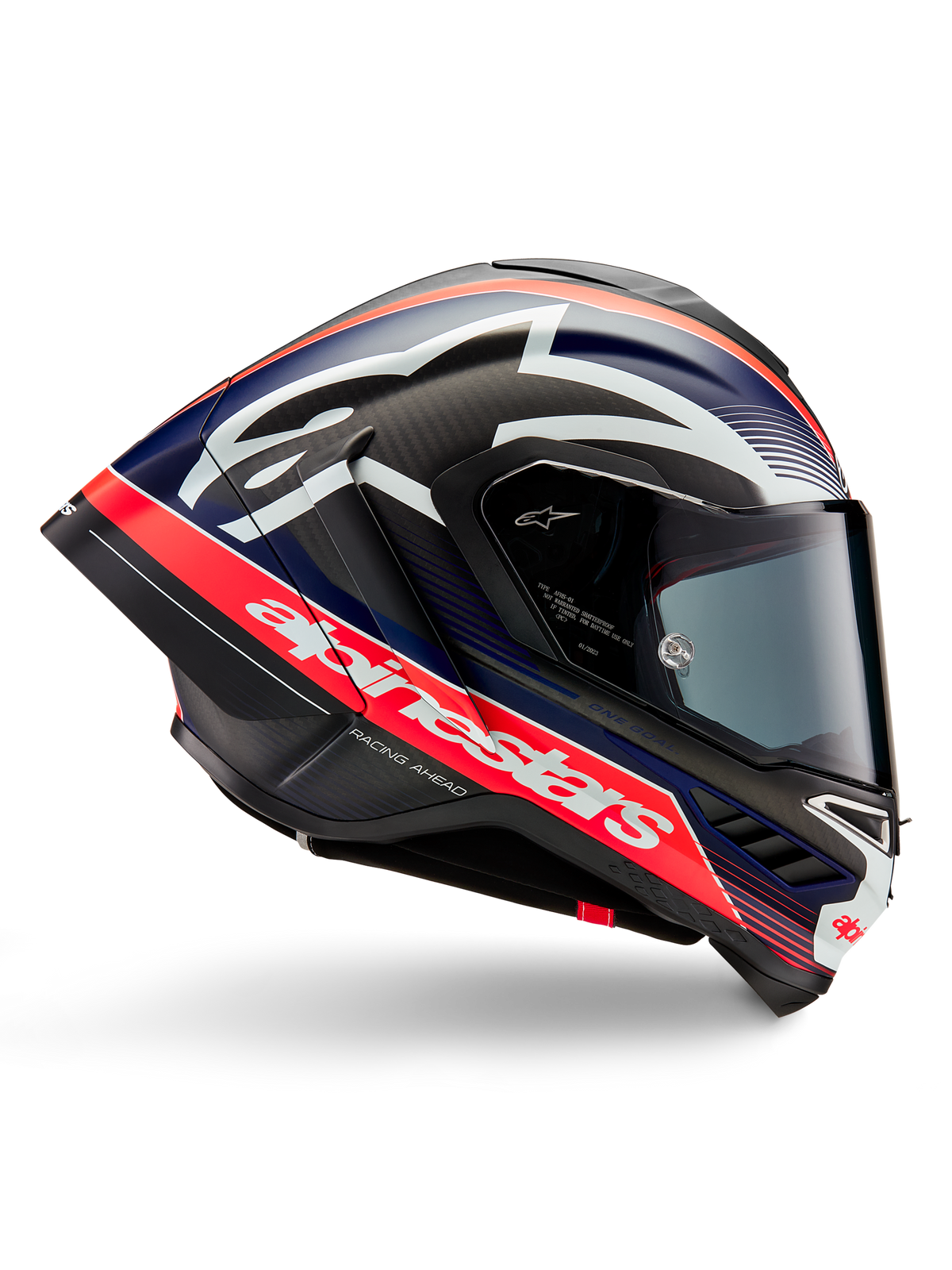
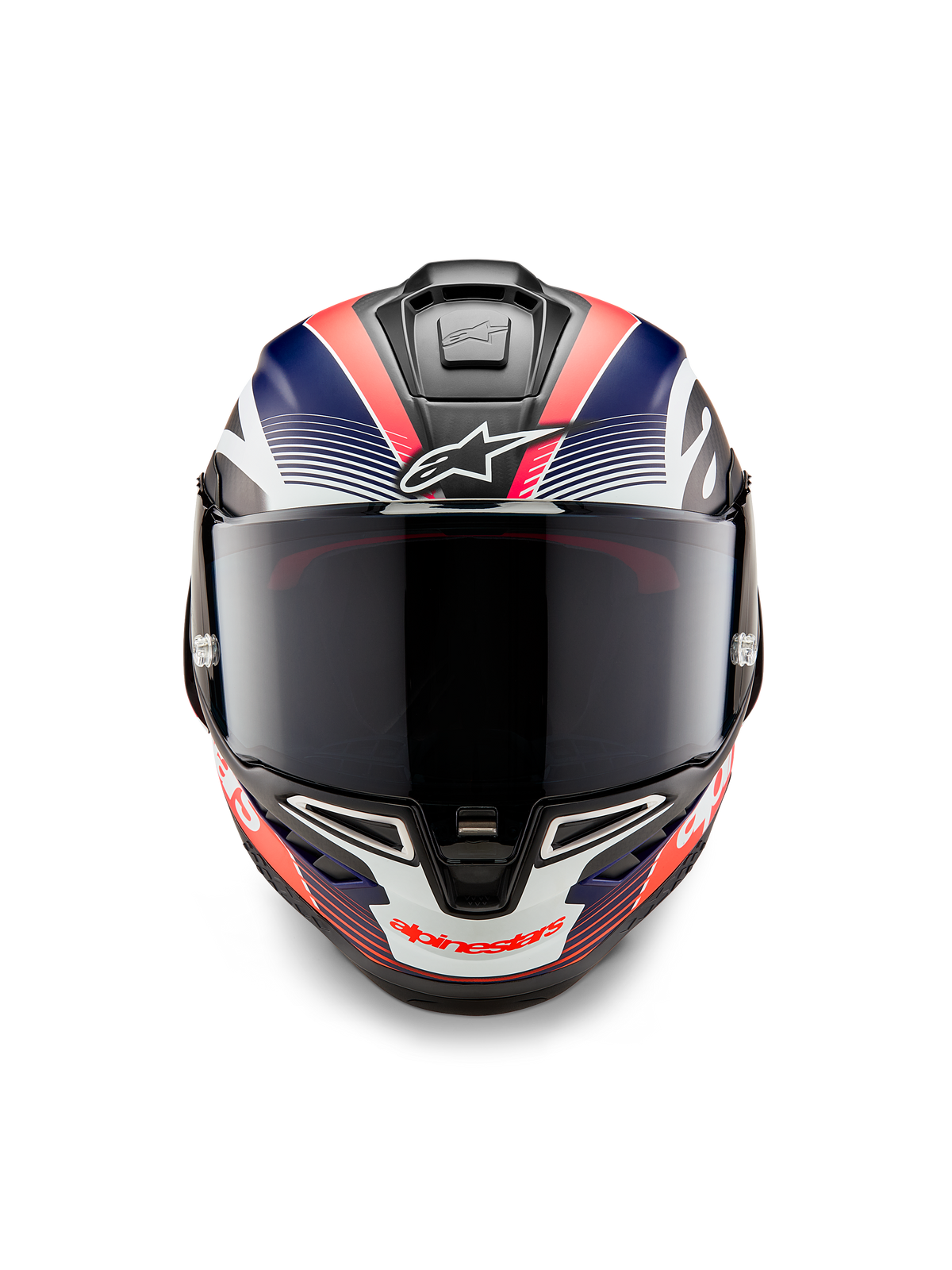
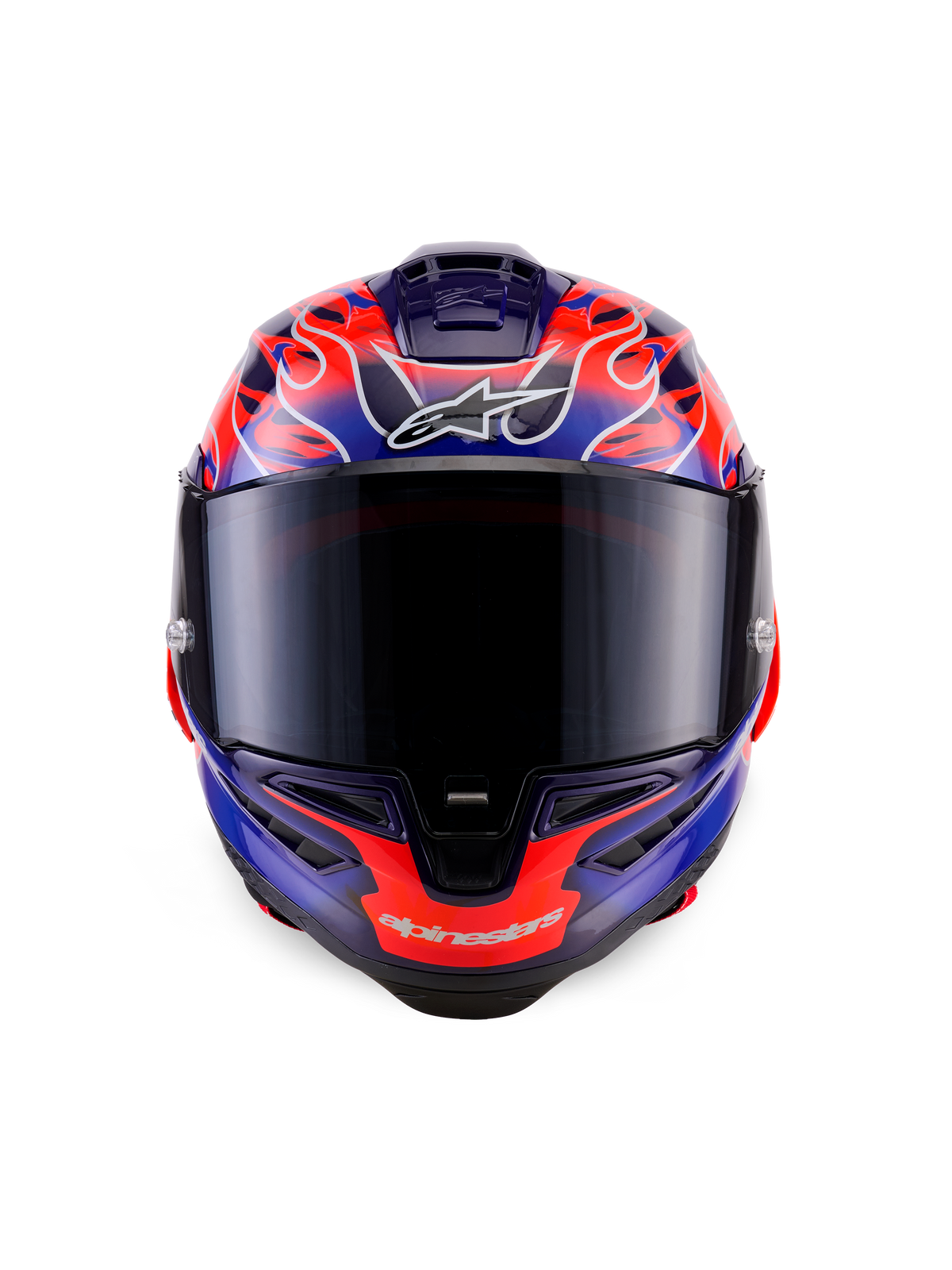
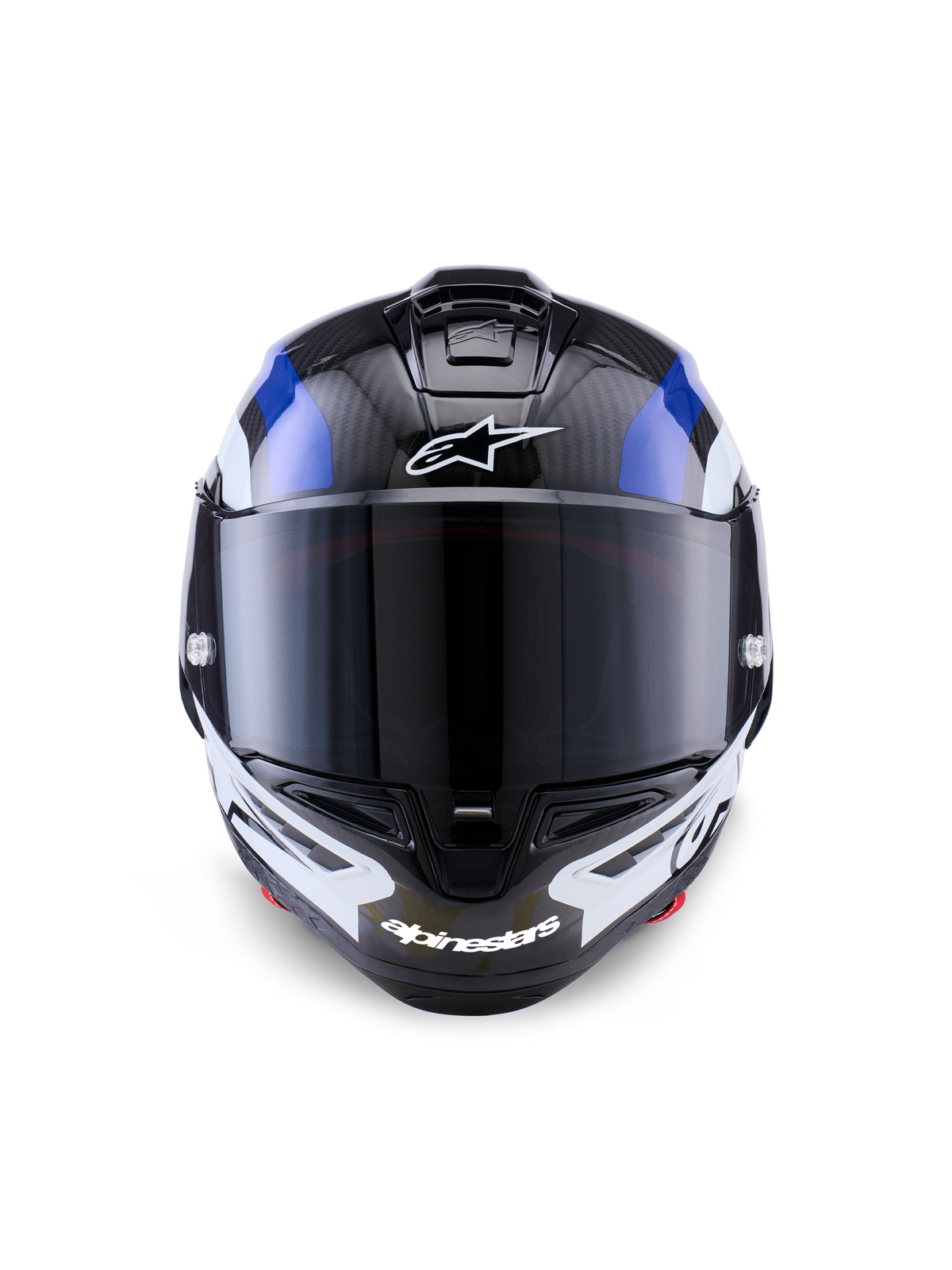
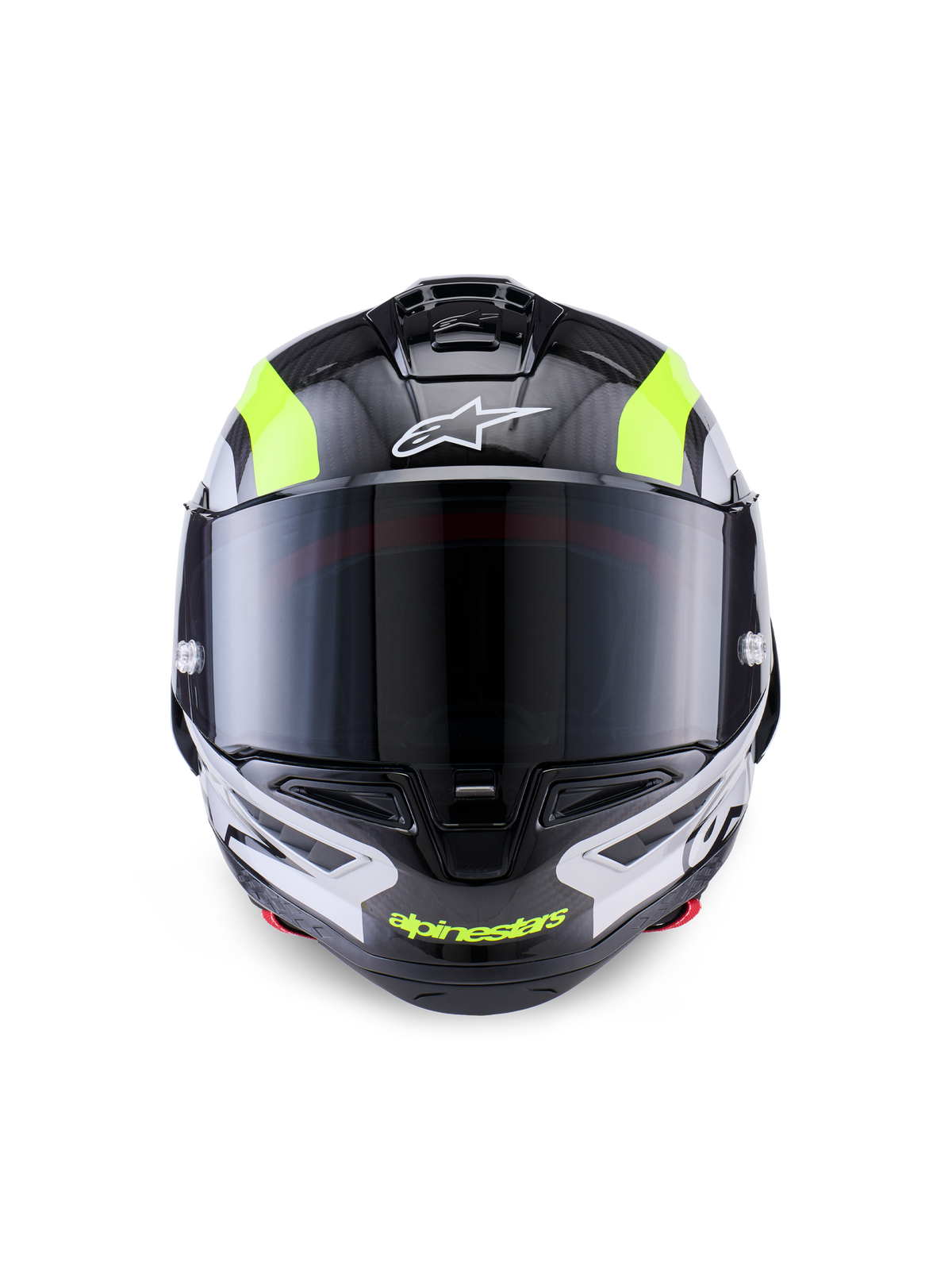
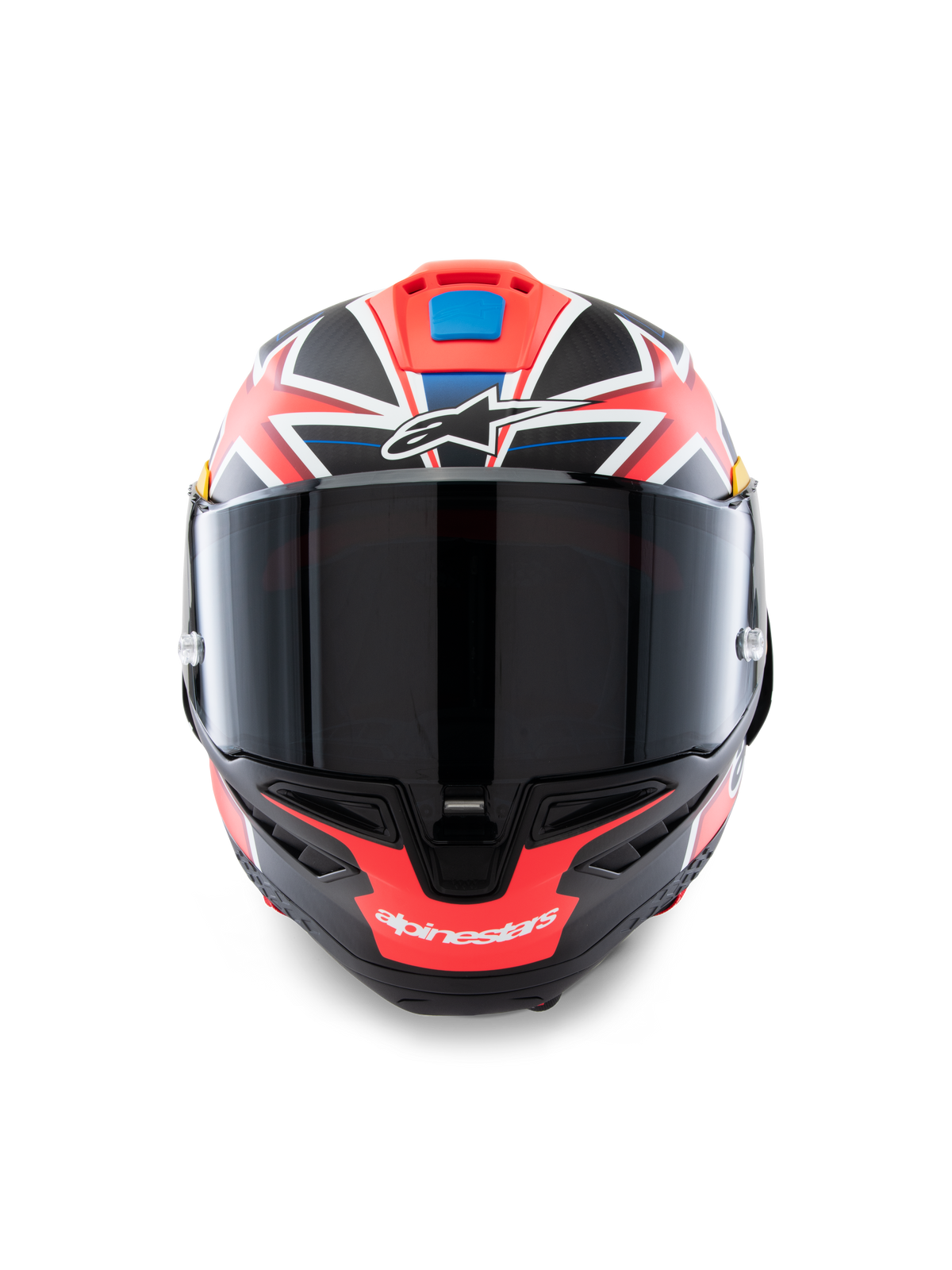
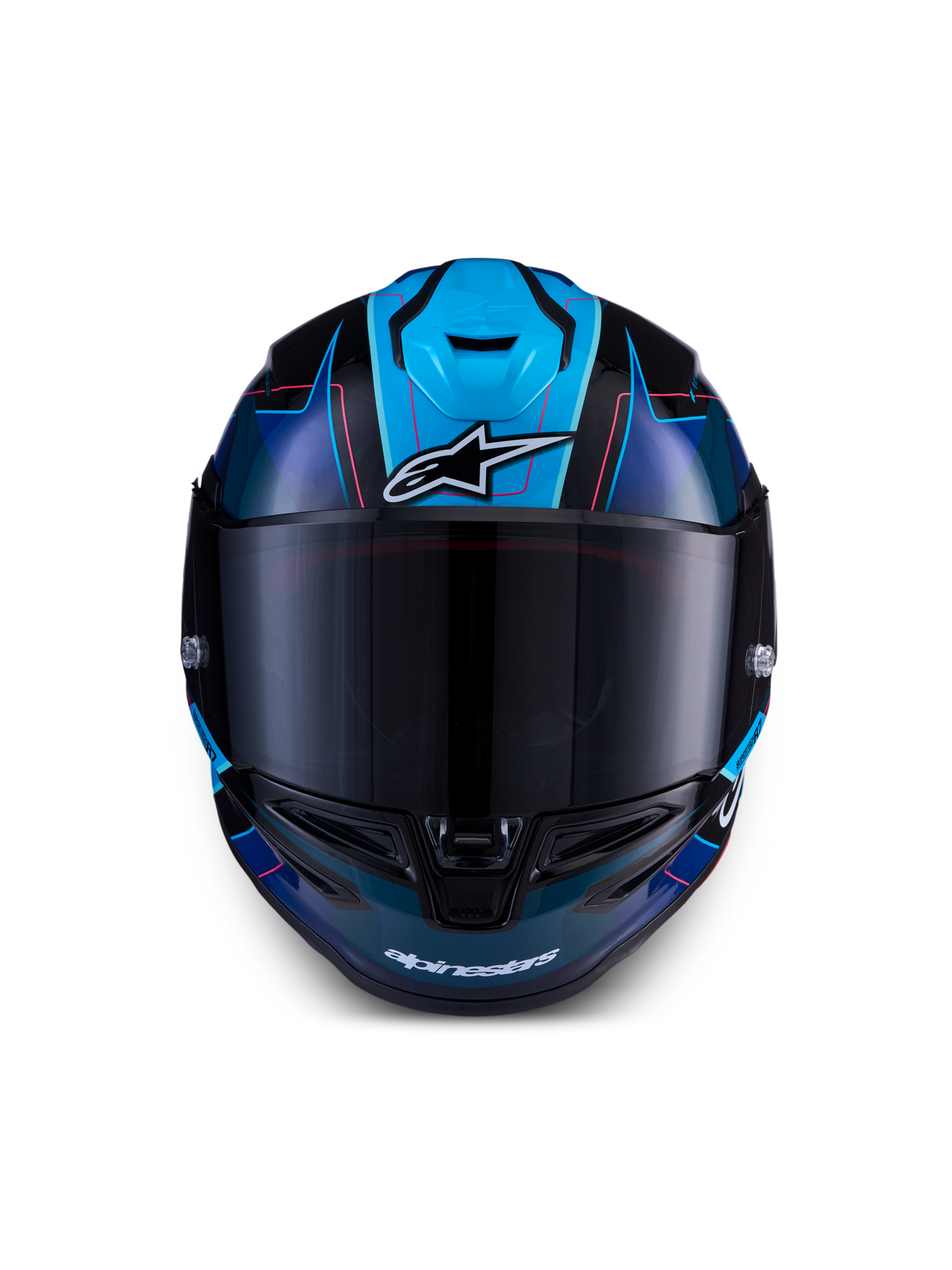
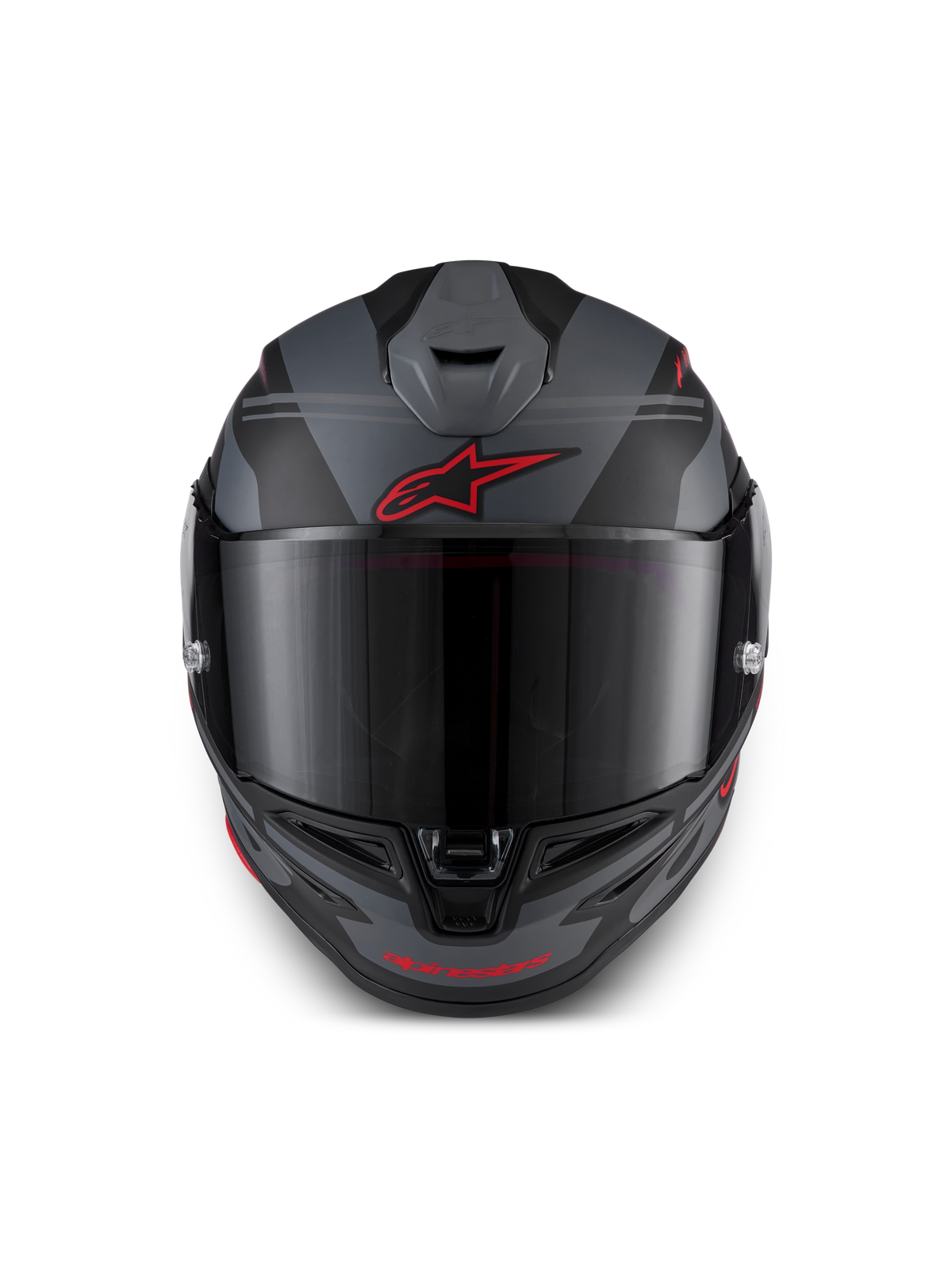
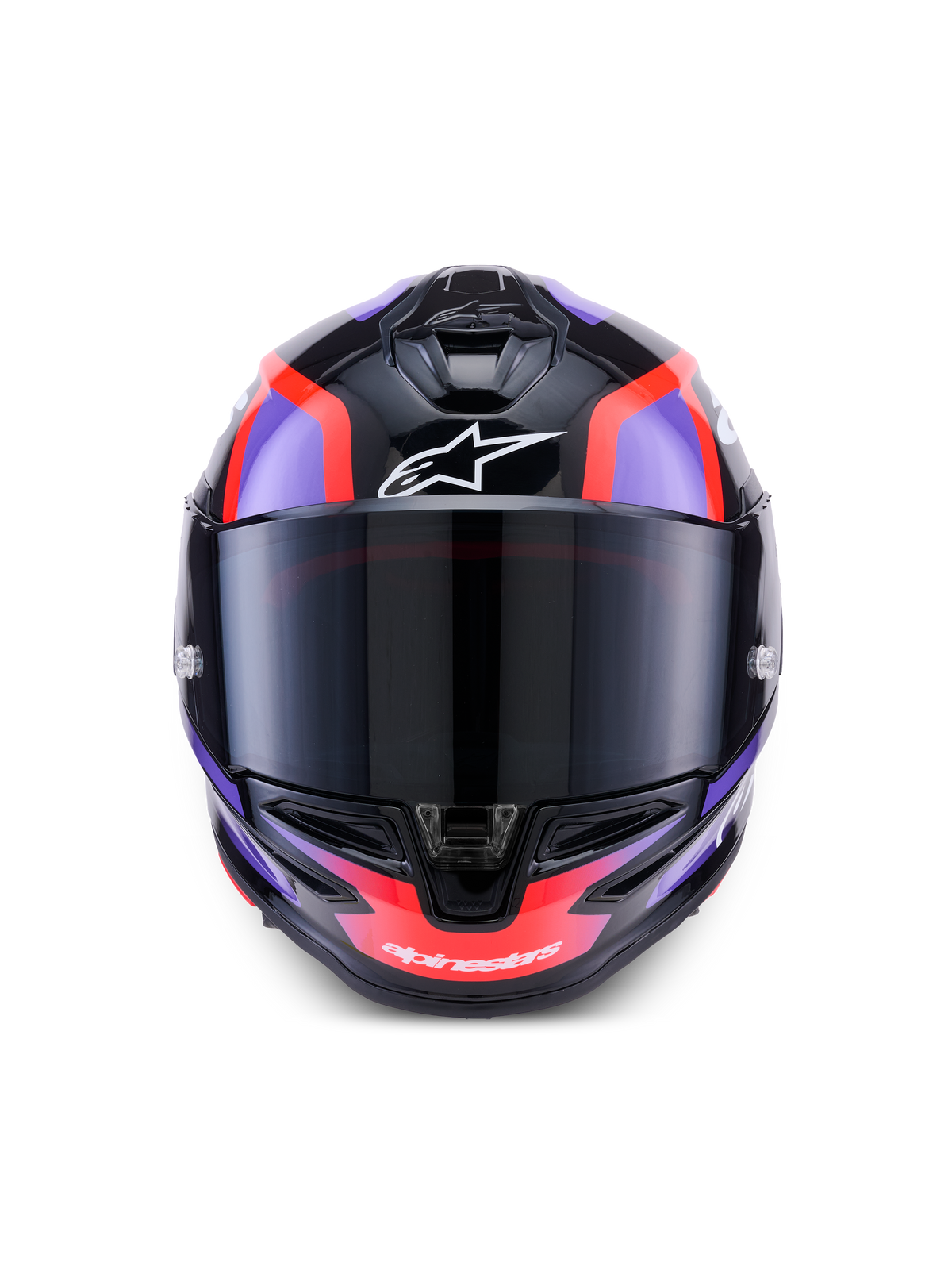
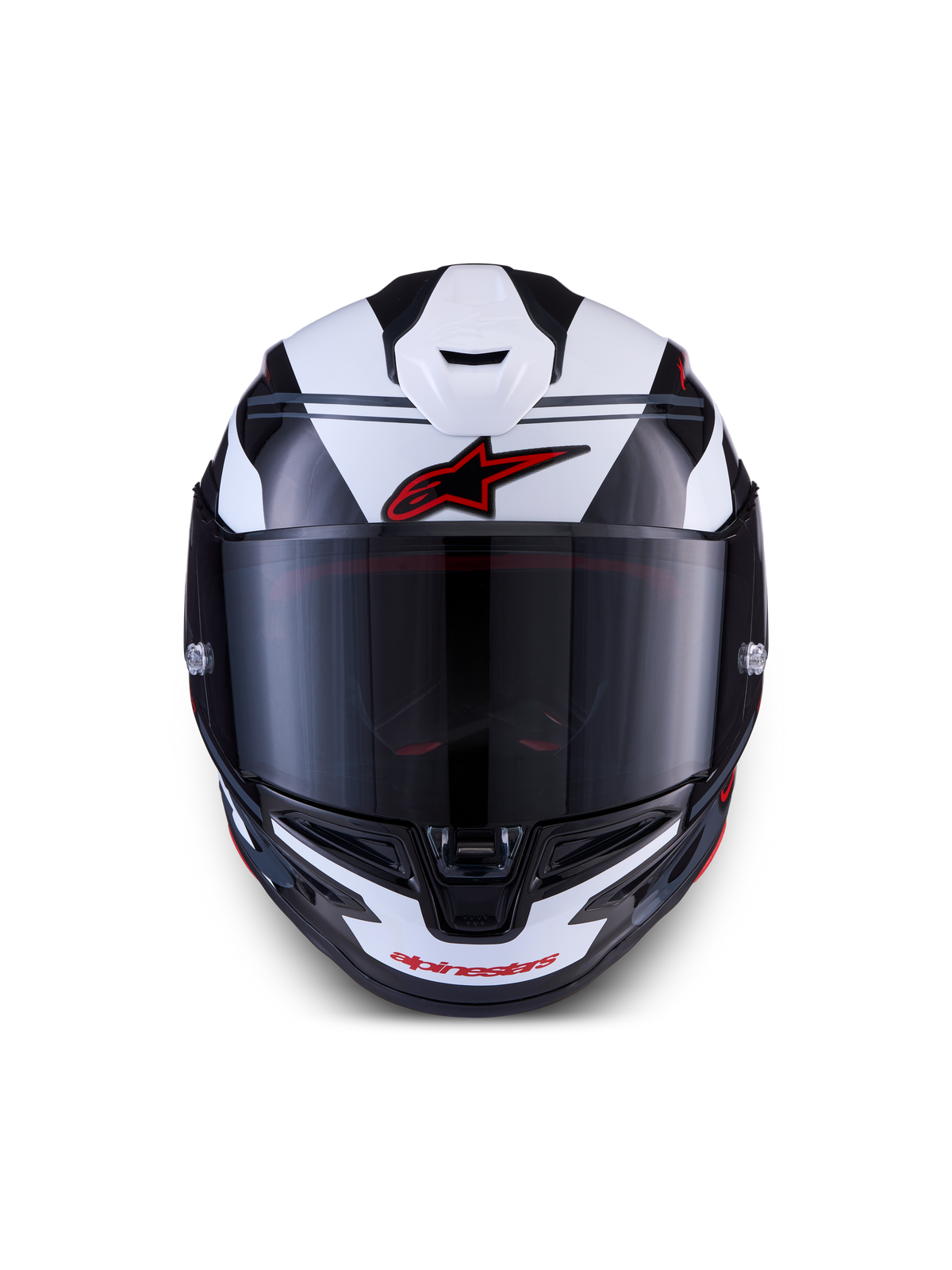
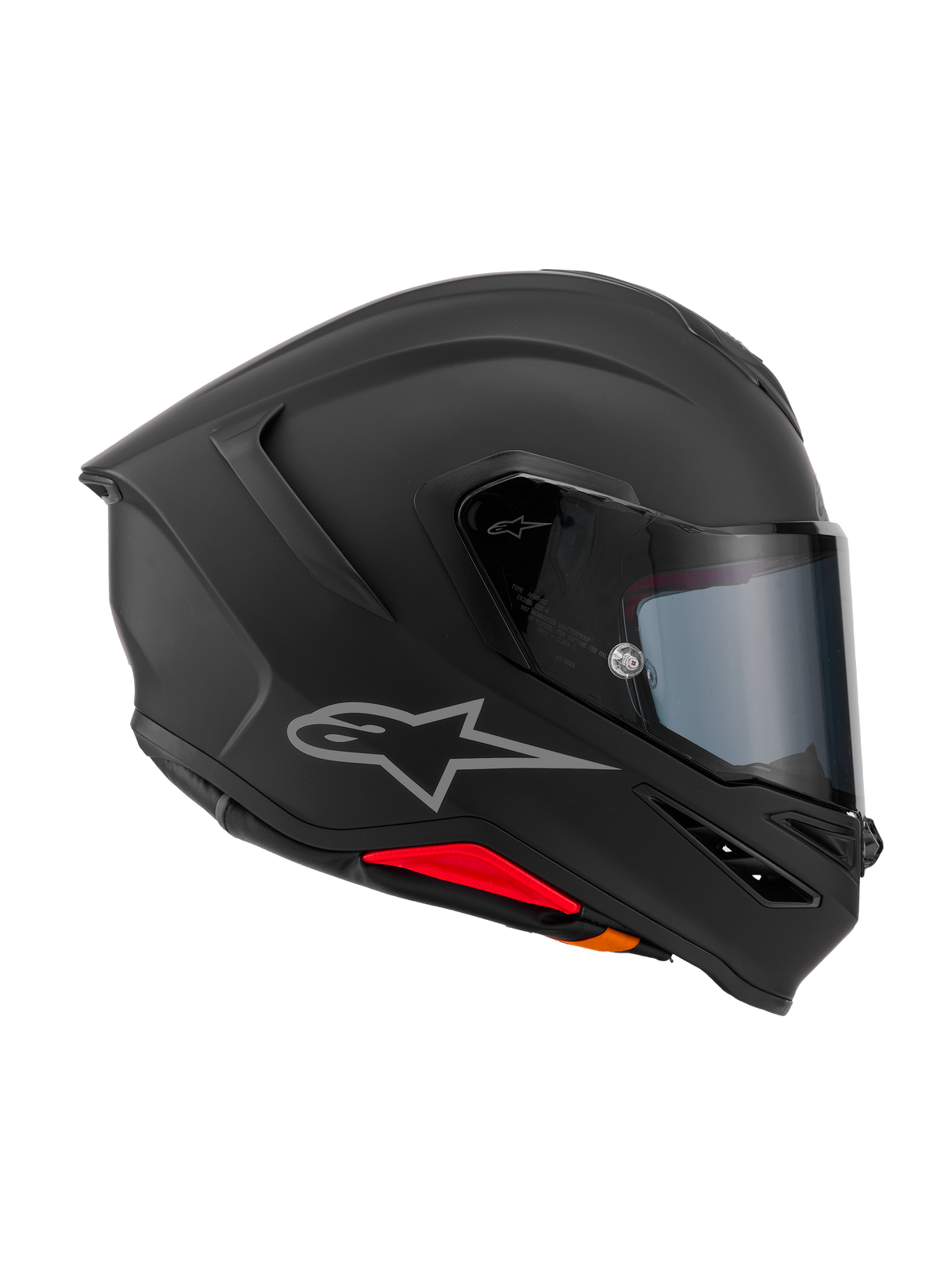
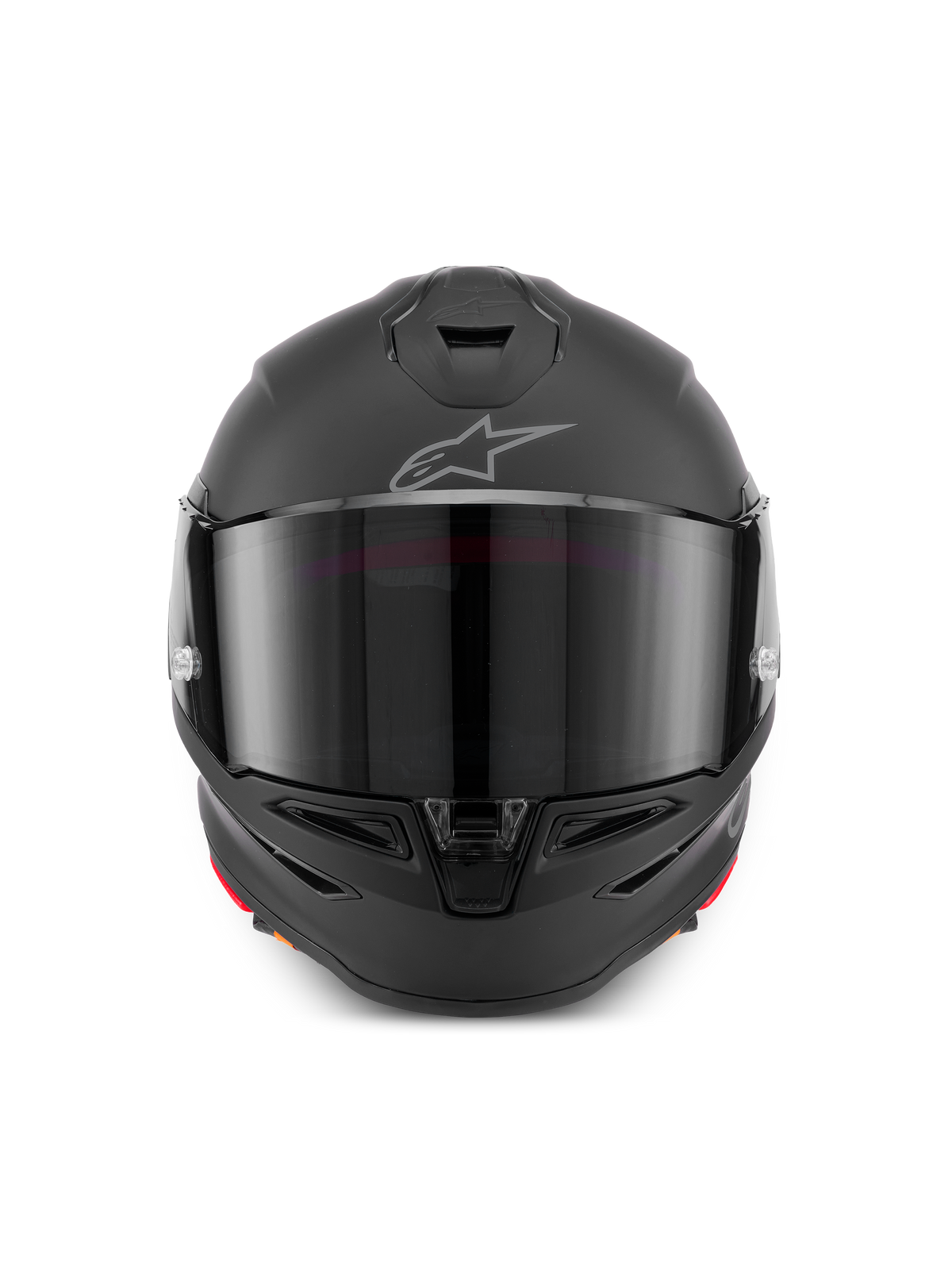
Supertech R10 Solid Helmet -
Supertech R10 Element Helmet -
Supertech R10 Element Helmet -
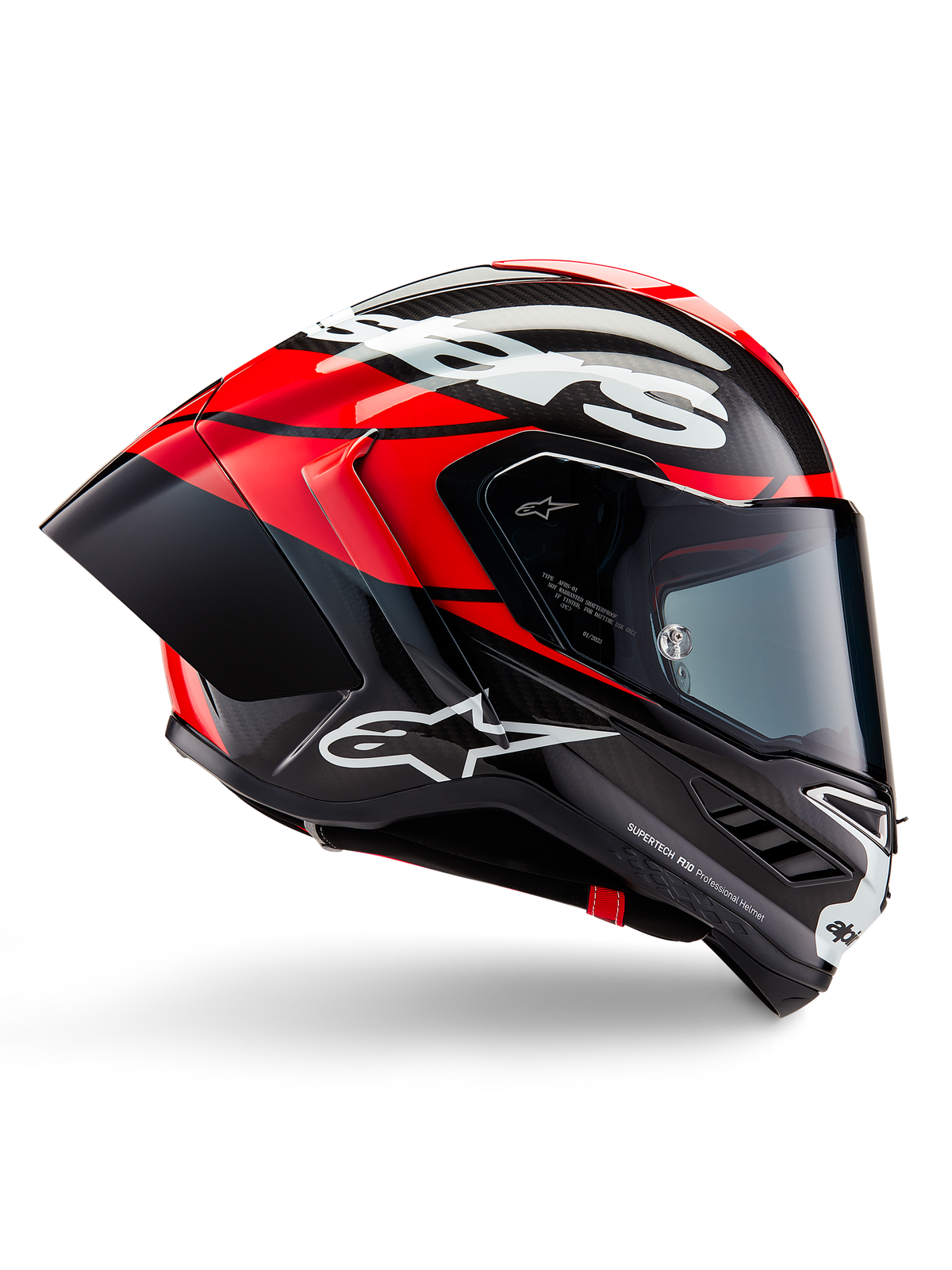
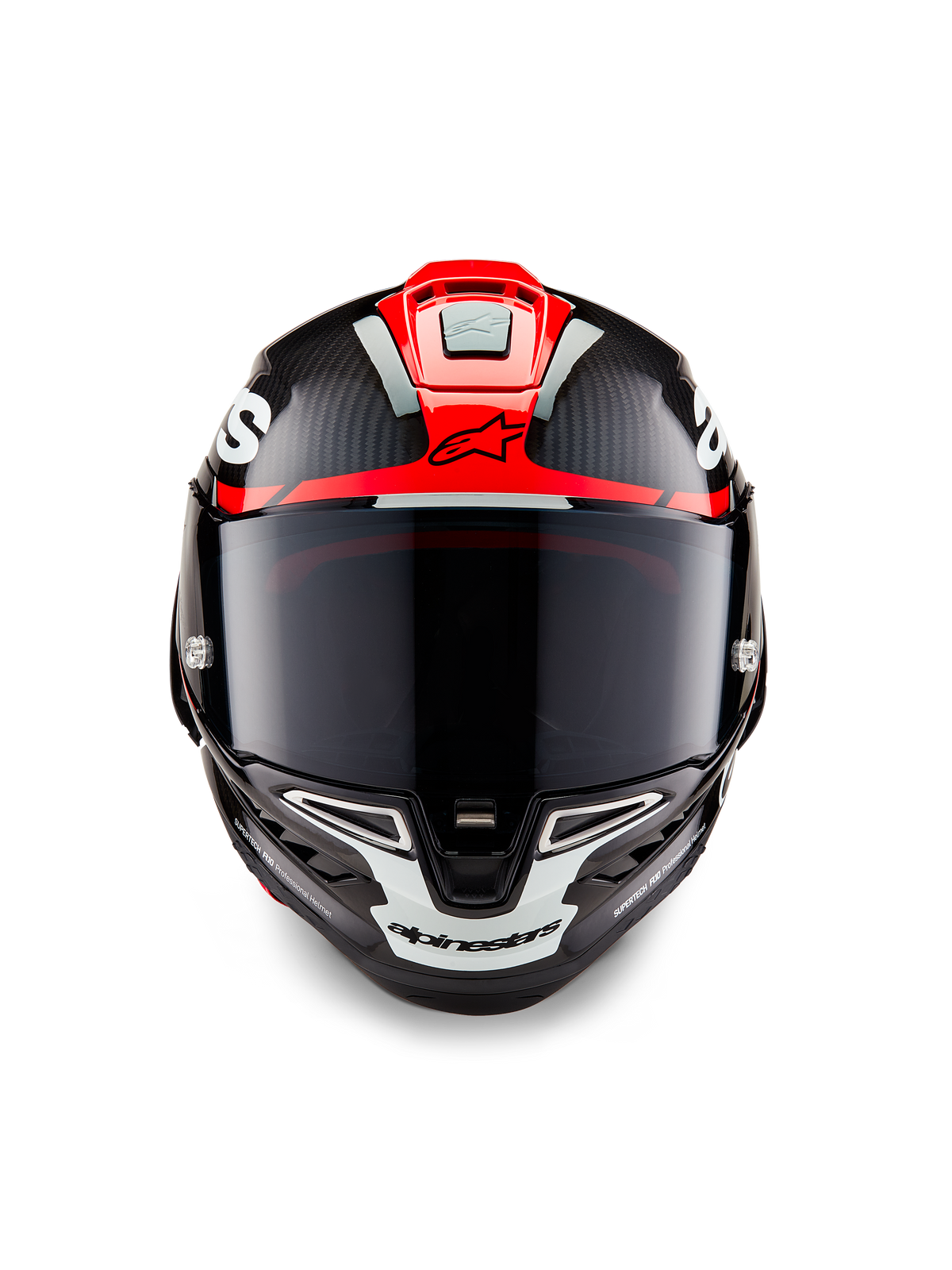
Supertech R10 Team Helmet -
Supertech R10 Solid Helmet -
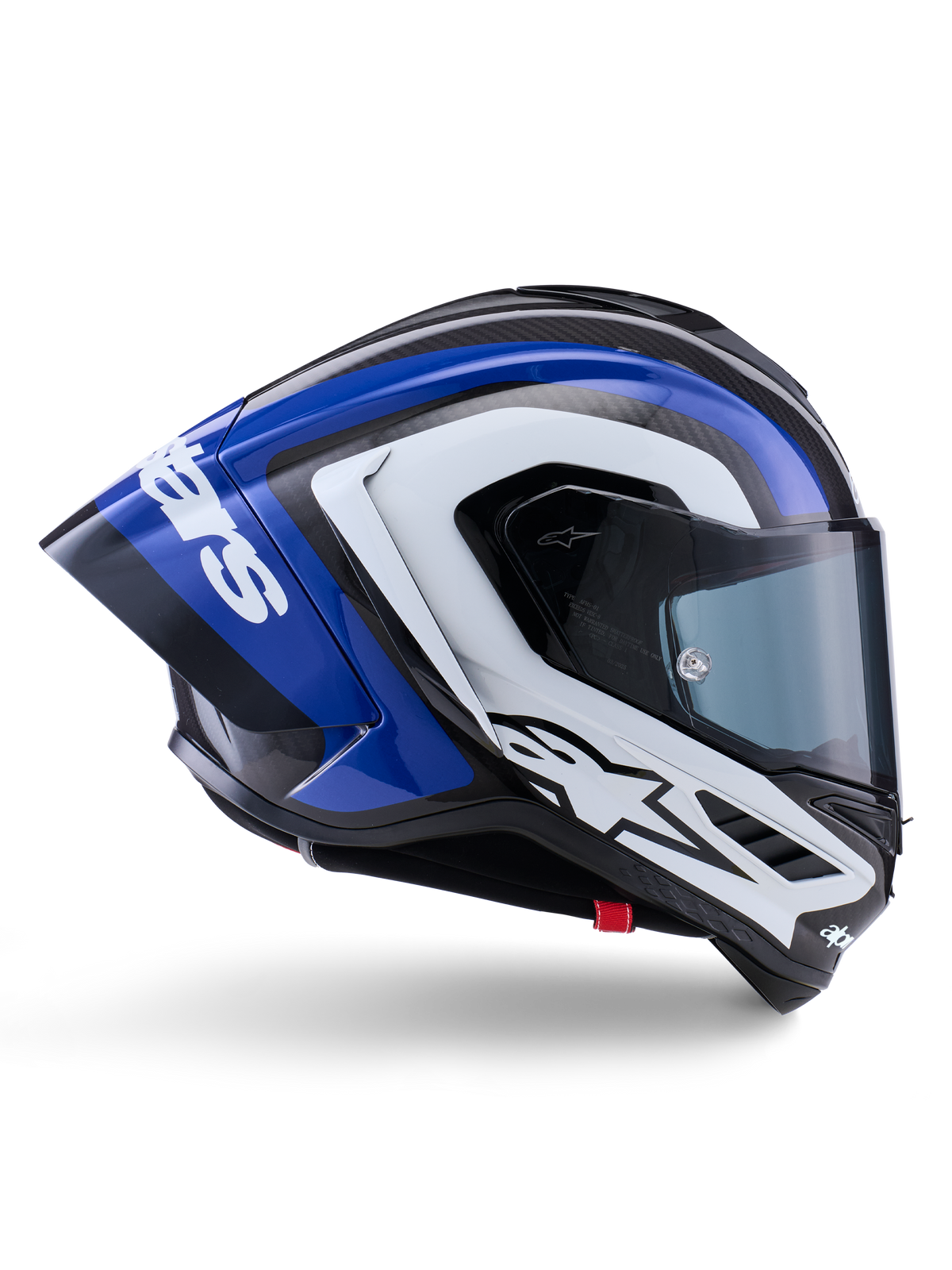
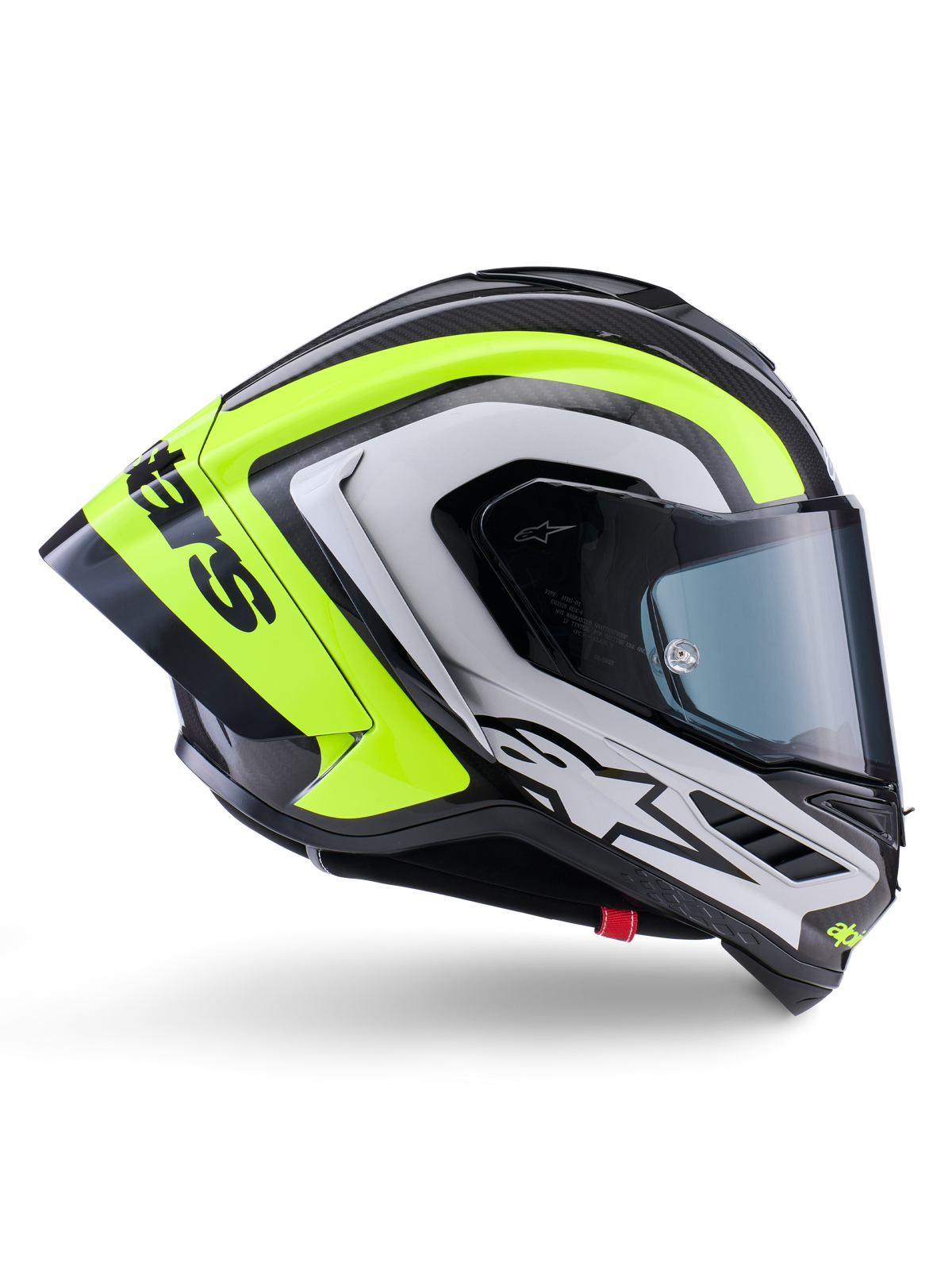
S-R7 Solid Helmet -
Supertech R10 Arius Helmet -
Supertech R10 Acosta Limited Edition Helmet -
S-R7 A-Core Helmet -
Supertech R10 Team Helmet -
Limited Edition Supertech R10 Martinator Thai Helmet -
Supertech R10 Limited Edition Flyte Helmet -
Supertech R10 Arius Helmet -
Supertech R10 Arius Helmet -
Supertech R10 Miller Limited Edition Helmet -
S-R7 Solid Helmet -
S-R7 Kinetis Helmet -
S-R7 A-Core Helmet -
S-R7 Kinetis Helmet -
S-R7 Zeal Helmet -
S-R7 Solid Helmet -
S-R7 Lumen Helmet -
S-R7 A-Core Helmet -
S-R7 Solid Helmet -
S-R7 Zeal Helmet -
S-R7 Lumen Helmet




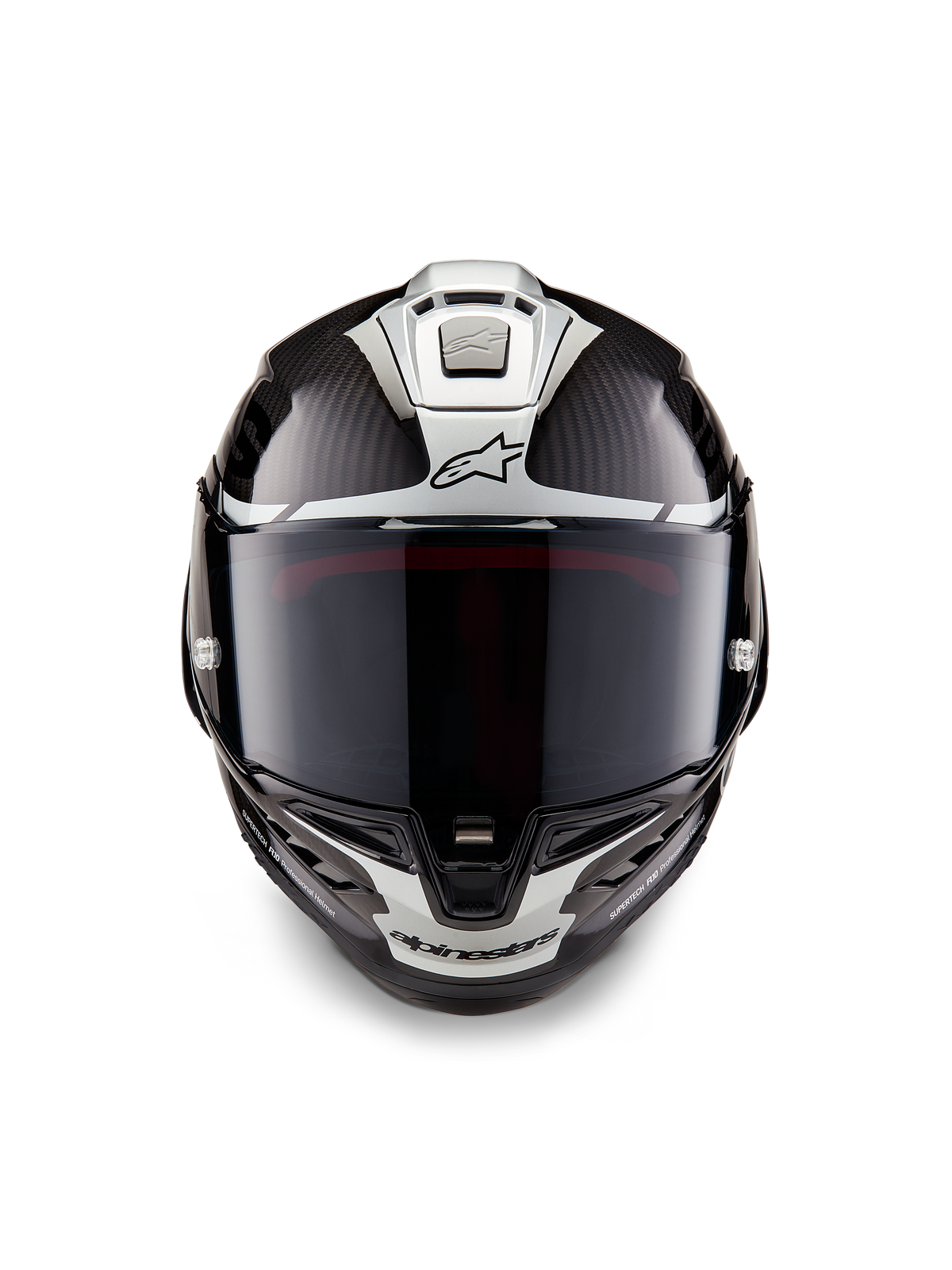
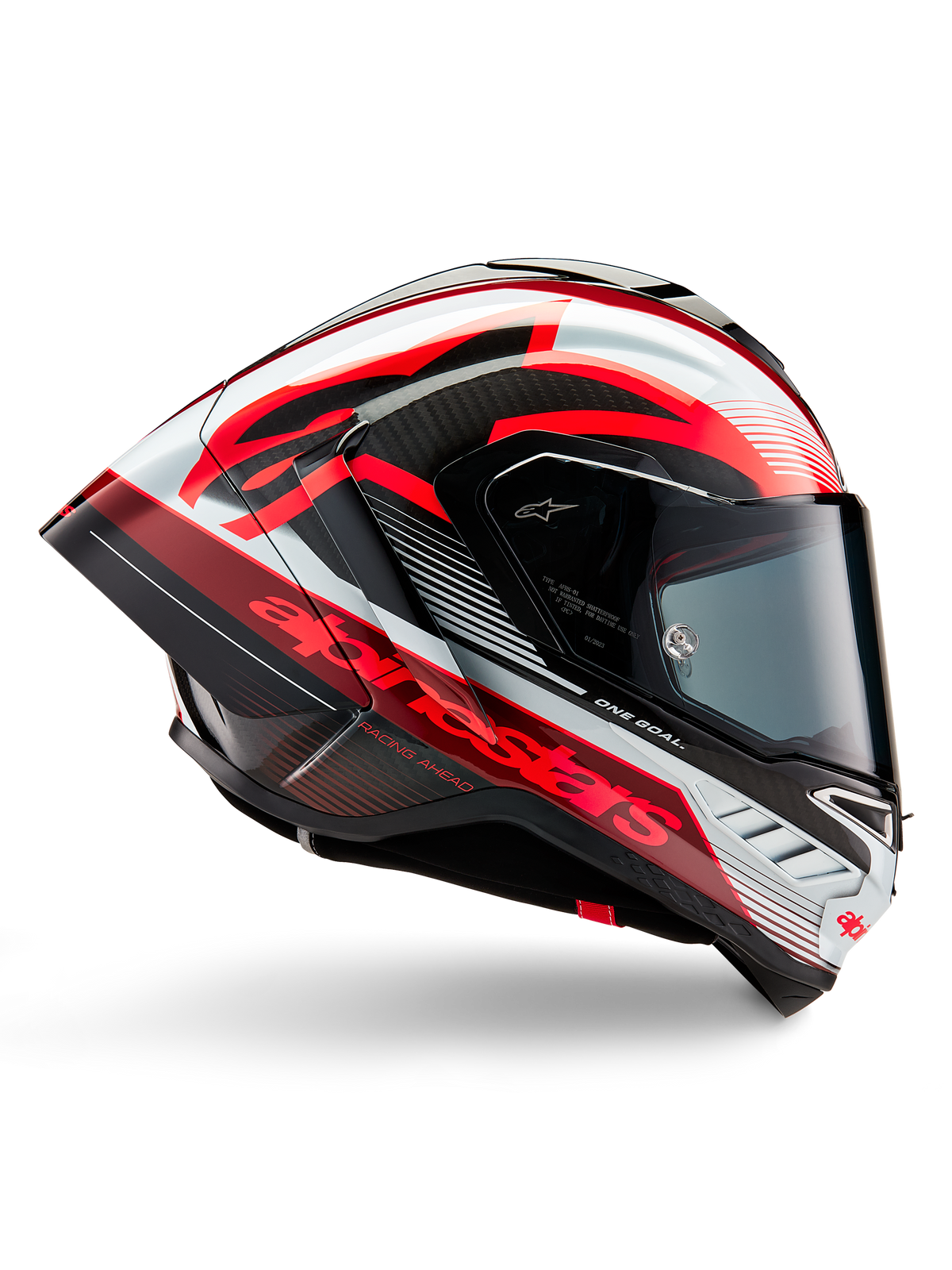
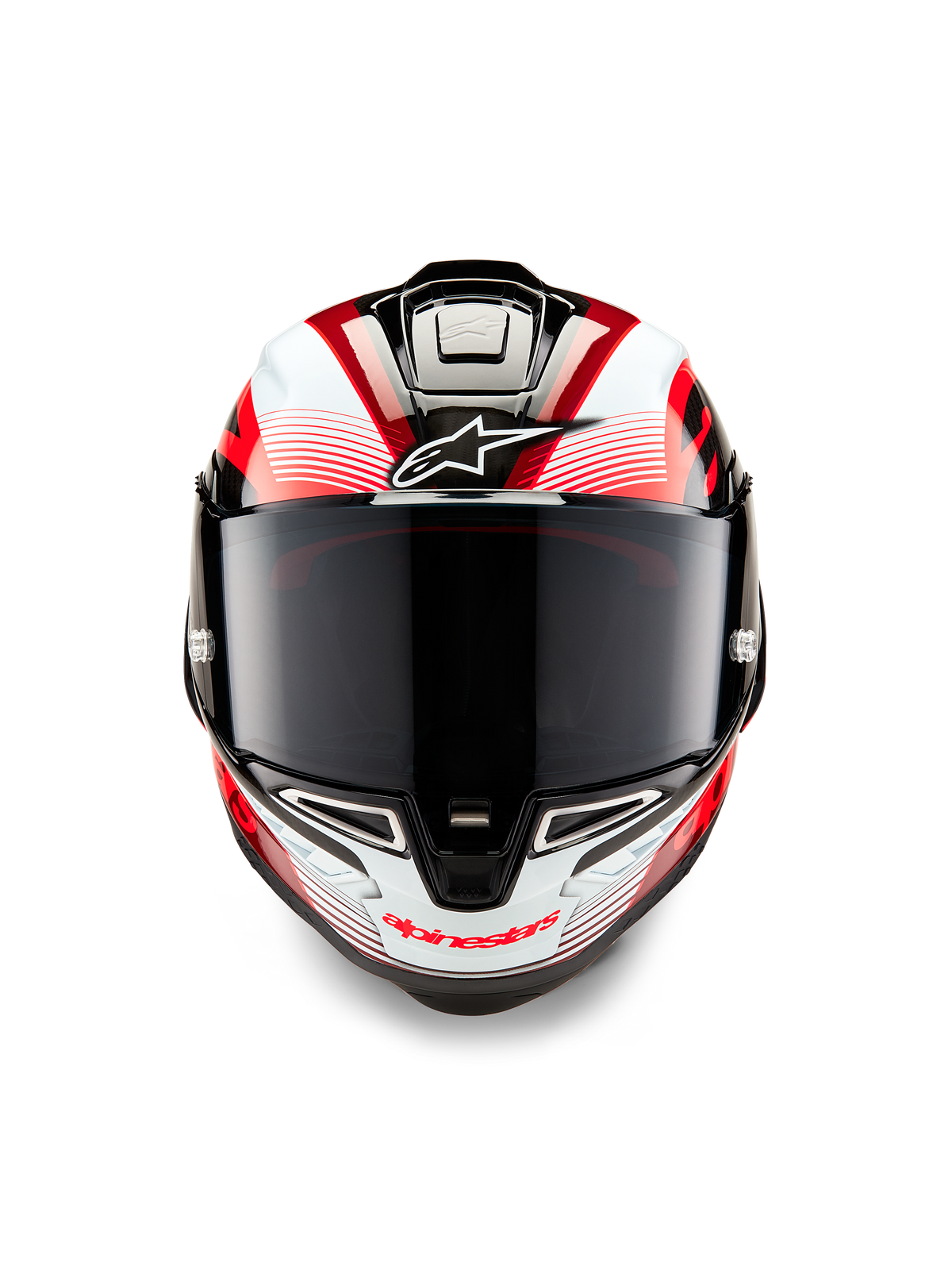


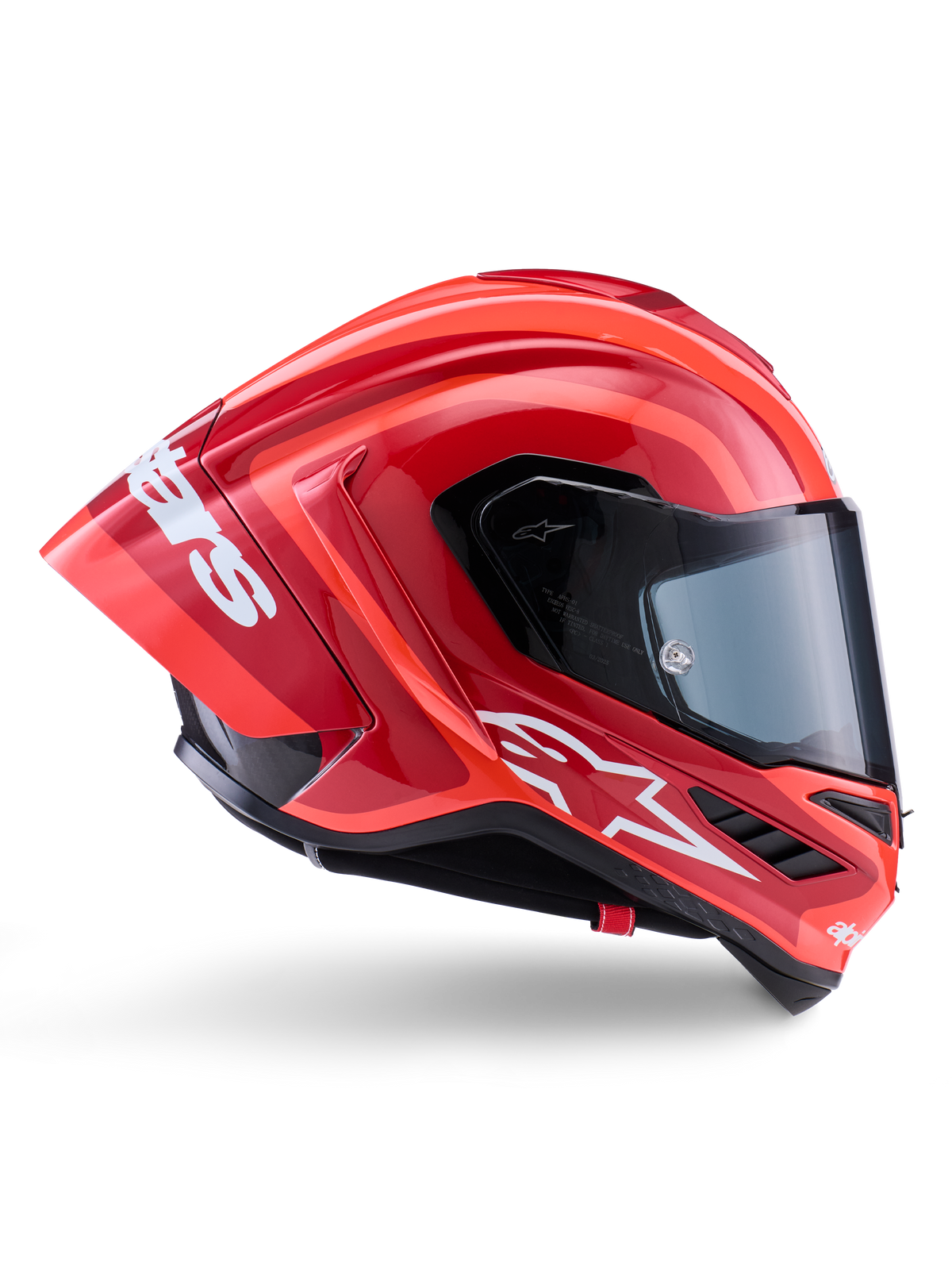













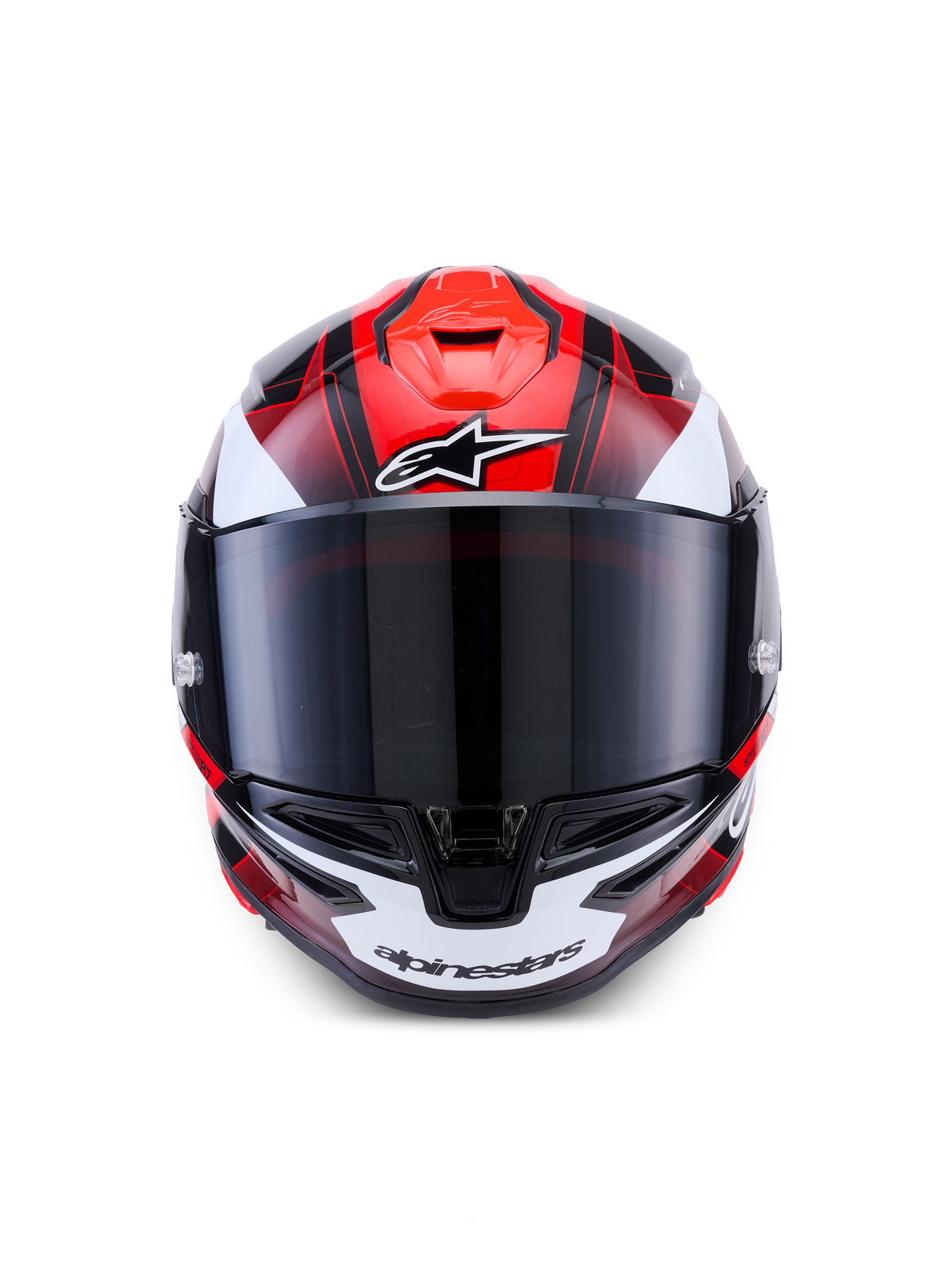

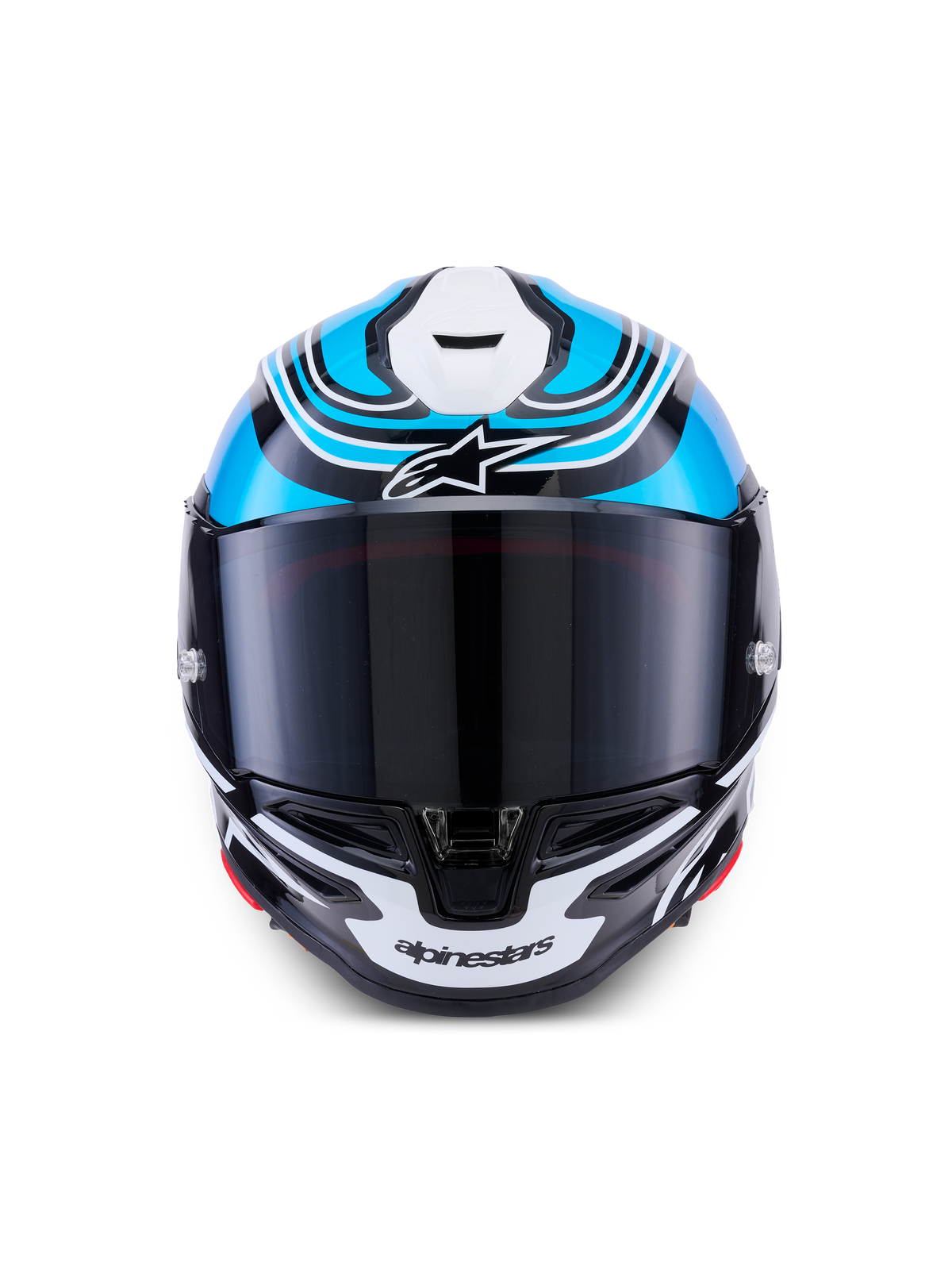


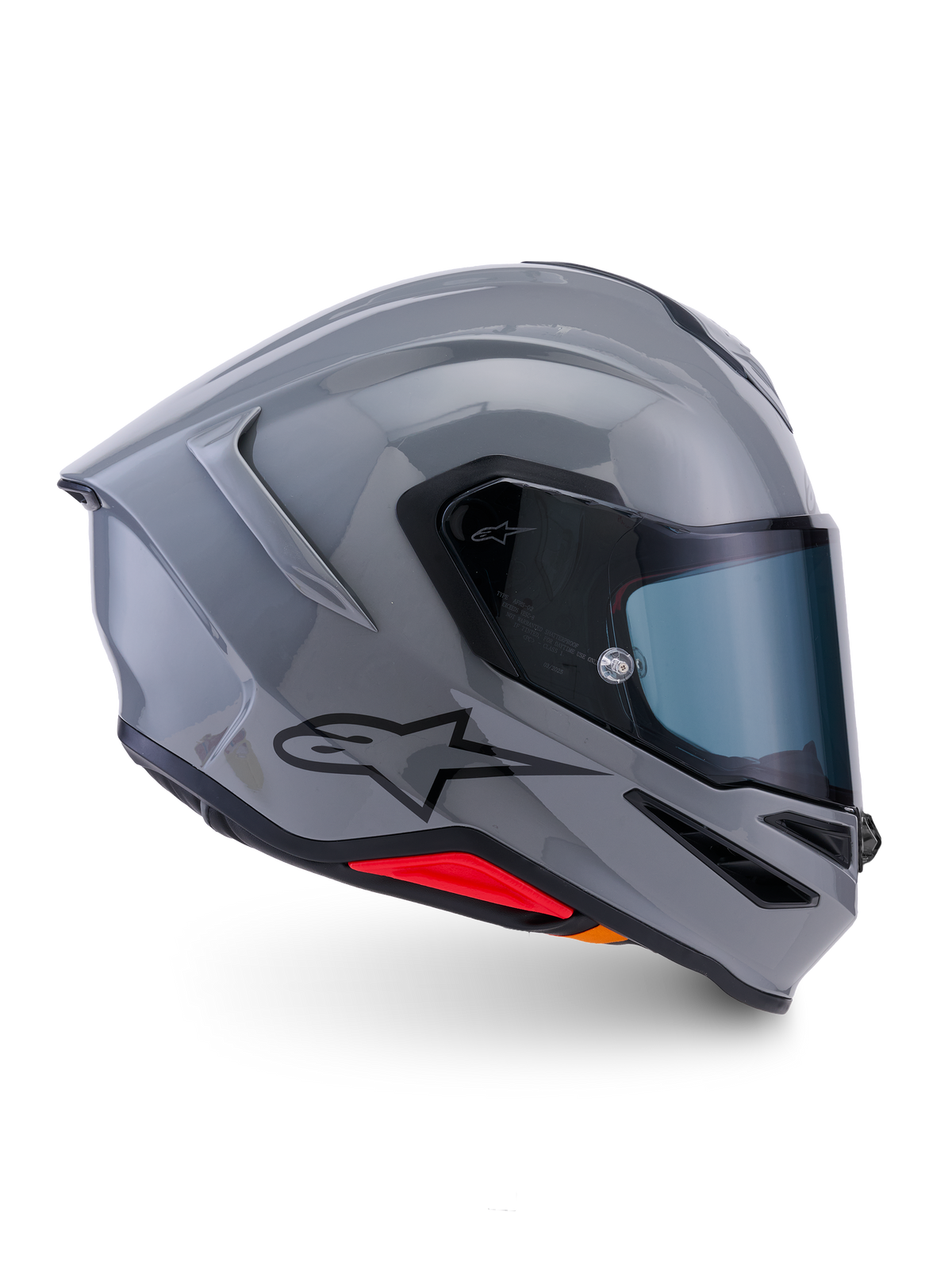
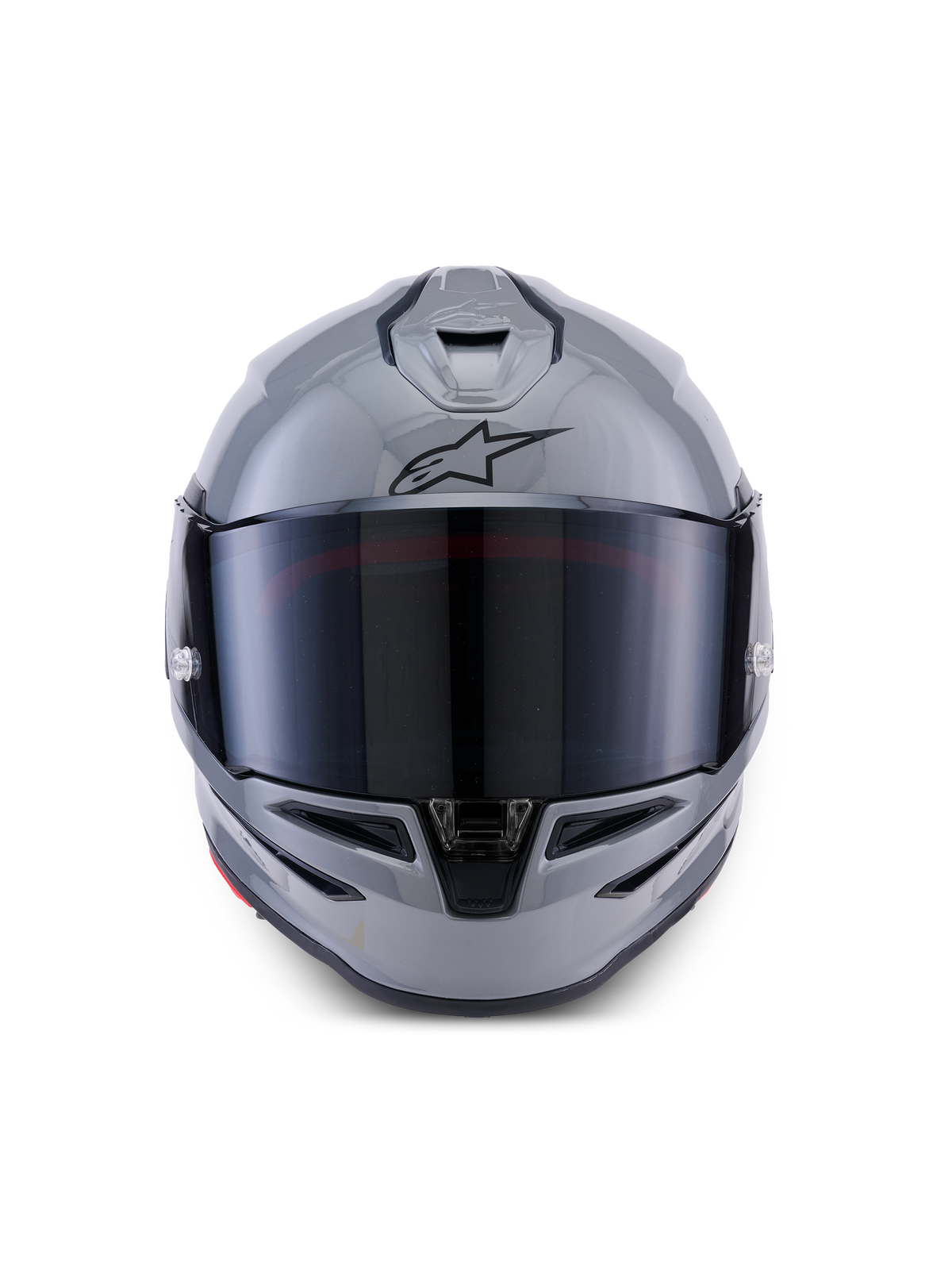




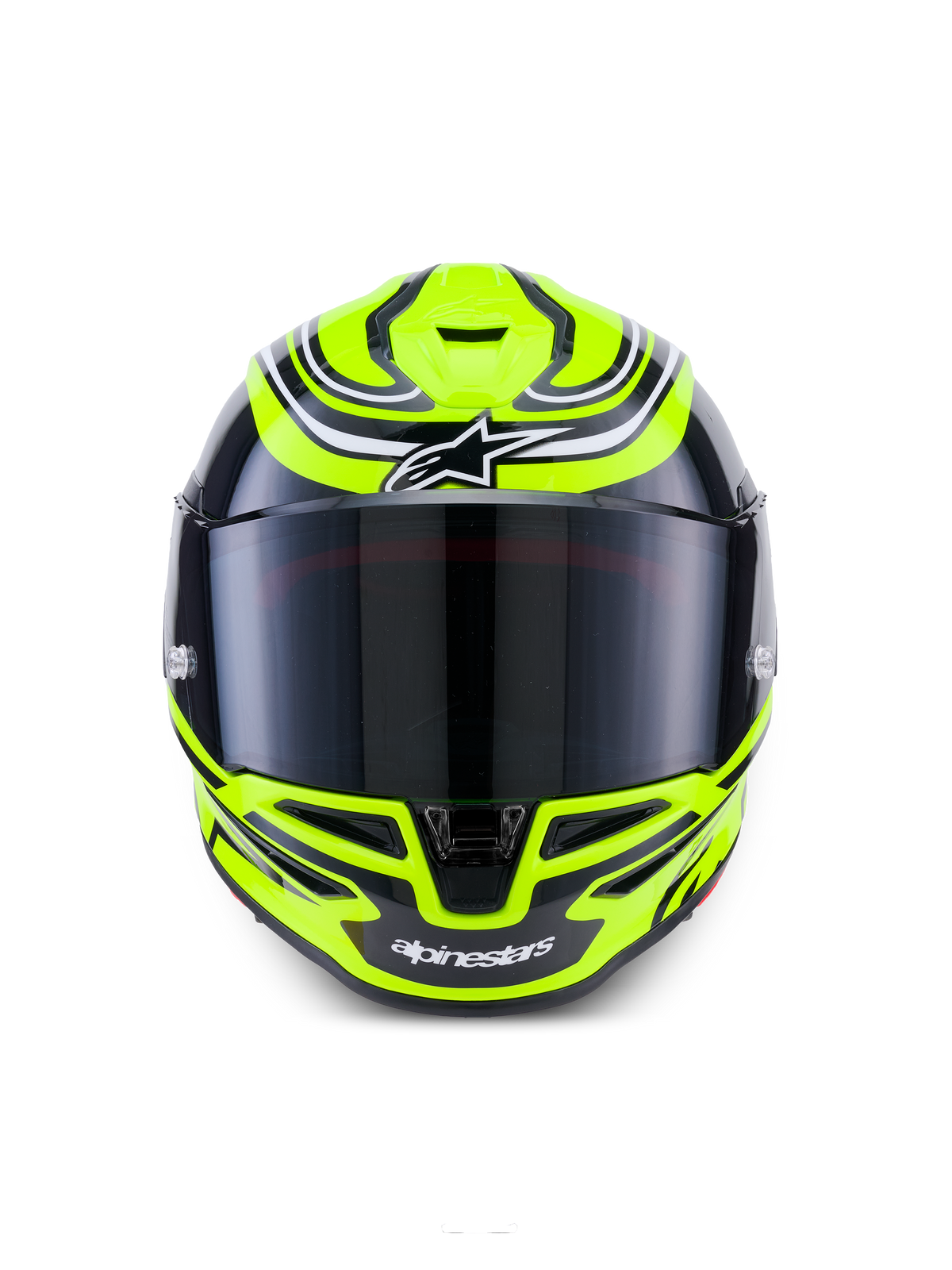

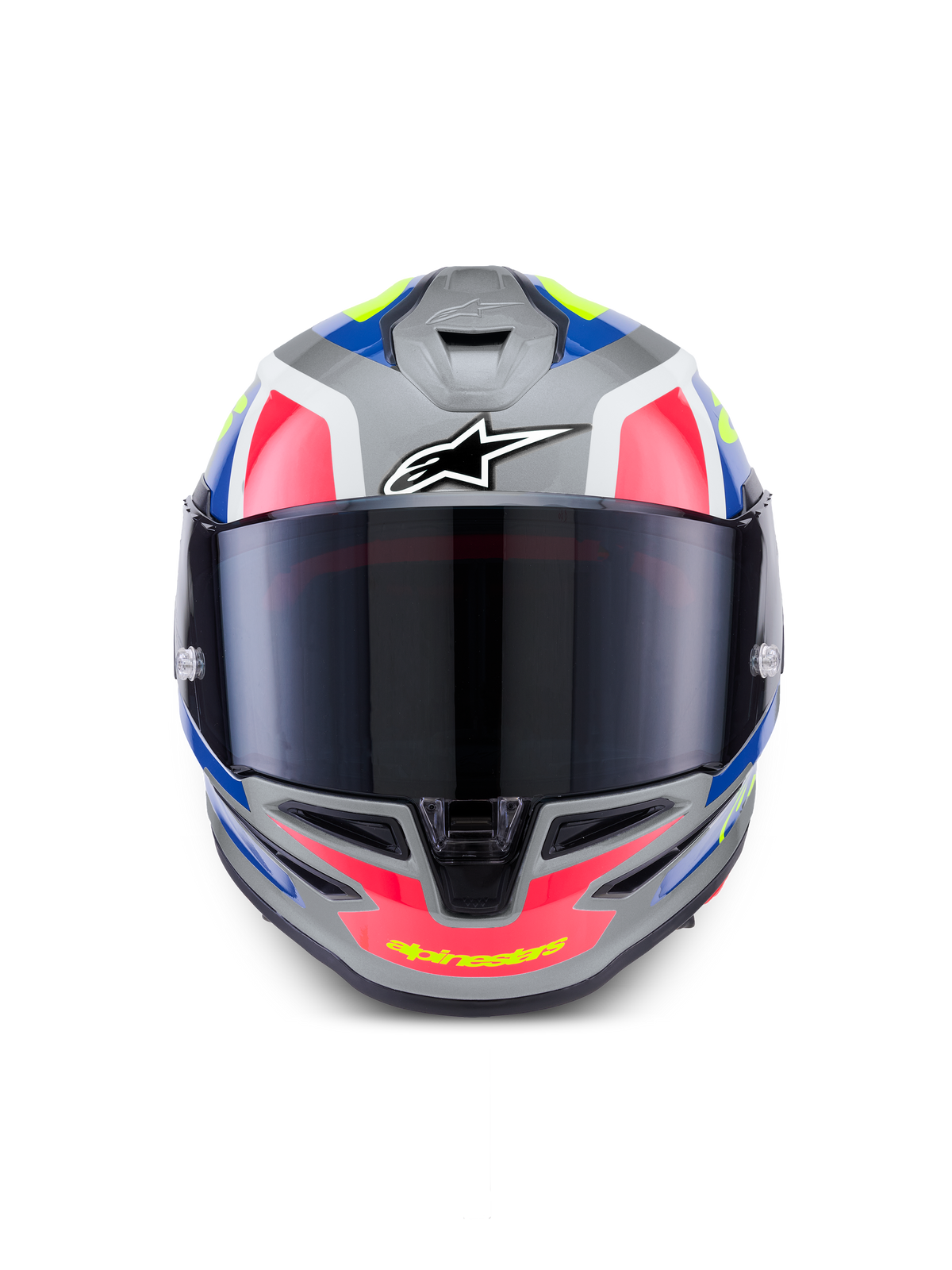
26 of 26 products
All products loaded
Frequently asked questions Hide FAQs
What are carbon fiber motorcycle helmets, and why do riders choose them?
Carbon fiber motorcycle helmets use a composite shell built with carbon fiber layers to reduce overall weight while maintaining the rigid shell structure expected in premium full-face helmets. The main advantage is a strong strength-to-weight ratio, which helps deliver a lighter feel without shifting the focus away from impact management, fit, and certification.
Riders usually choose carbon helmets for reduced neck fatigue, a more stable feel at speed, and a premium race-oriented construction. They are especially popular for sport riding, track use, and longer road rides where lower weight can make a noticeable difference over time.
Are carbon fiber motorcycle helmets safer than fiberglass or polycarbonate helmets?
Not automatically. Shell material is only one part of helmet protection. Real-world safety depends on the complete design of the helmet, including shell engineering, EPS impact liner, retention system, visor system, fit, and the safety certification the helmet has passed.
Carbon fiber is valued mainly for lowering weight while supporting a high-performance shell construction. When comparing helmets in this collection, use certification and correct fit as the main reference points rather than assuming carbon fiber alone makes one helmet safer than another.
What certifications should I look for when buying a carbon motorcycle helmet?
The most important thing to check is the certification listed on the helmet product page. Depending on the model and intended use, riders may see standards such as ECE 22.06, DOT, or FIM homologation. These approvals indicate the helmet has been tested to a defined safety standard for road or racing use.
For most road riders, ECE 22.06 and DOT are the main benchmarks to review. For competition-focused use, FIM homologation is relevant where racing regulations require it. The right choice depends on where and how you ride, not on shell material alone.
How should a carbon motorcycle helmet fit, and how do I choose the right size?
A carbon motorcycle helmet should fit snugly and evenly around the head without creating painful pressure points. It should feel secure at the cheeks and crown, with very little movement when you rotate or shake your head, because a helmet that moves too much will be less stable and less effective in a crash.
To choose the right size, measure the circumference of your head just above the eyebrows and compare it with the size chart. If you are between sizes, also consider head shape, because measurement alone does not guarantee a correct fit. A performance helmet should remain secure after several minutes of wear, not just when first tried on.
Are carbon helmets only for track riding, or can they be used on the road and for long-distance riding?
Carbon helmets are not limited to track riding. They are widely used on the road, for fast sport riding, commuting, and long-distance riding because lower weight can help reduce fatigue during extended time in the saddle or at highway speeds.
The best option depends on the helmet’s overall design and certification. A more race-focused carbon helmet may prioritize aerodynamics, high-speed stability, and aggressive ventilation, while a road-focused helmet may place more emphasis on day-to-day comfort, visibility, and broader all-around usability.
How do I clean and care for a carbon fiber motorcycle helmet?
Clean the outer shell with a soft cloth, lukewarm water, and a mild cleaner that is safe for helmet finishes. Avoid aggressive solvents, petroleum-based chemicals, and abrasive pads, because they can damage the shell finish, visor coatings, trim, or adhesives.
If the helmet has removable interior components, clean them only as permitted by the care instructions and let everything air-dry away from direct heat. Store the helmet in a cool, dry place and follow the user manual for the exact model, since care requirements can vary by liner, visor, and shell finish.