
15 results
-
Pro-Dura Jacket -
Lite-Dura Softshell Jacket -
Lite-Dura Softshell Jacket -
Lite-Dura Softshell Jacket -
Pro-Dura Jacket -
Lite-Dura Softshell Jacket -
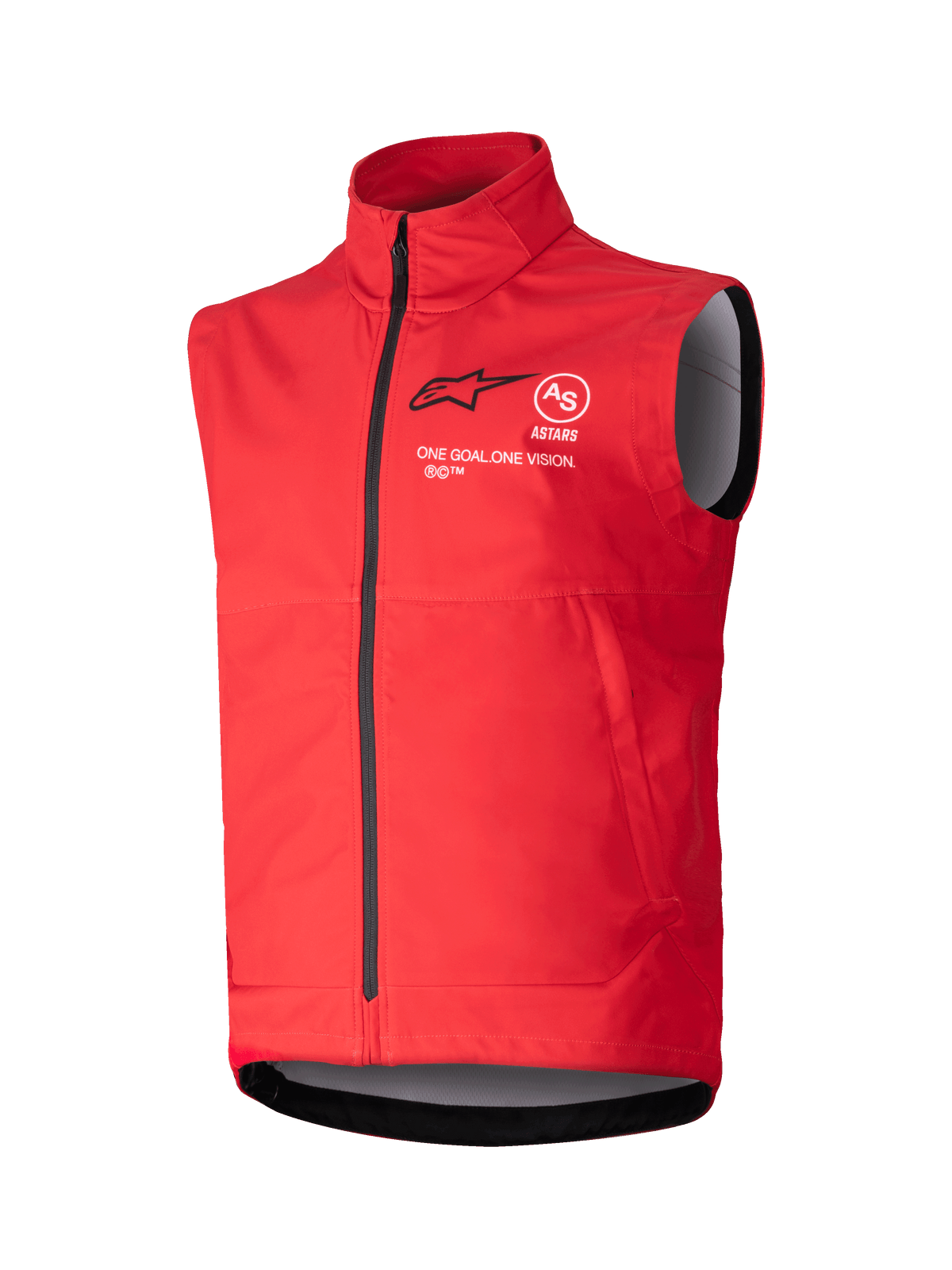
Youth Techstar Softshell Vest -
Techstar Softshell Vest -
Youth Techstar Softshell Vest -
Techstar Softshell Vest -
Techstar Softshell Vest -
Techstar Softshell Vest -
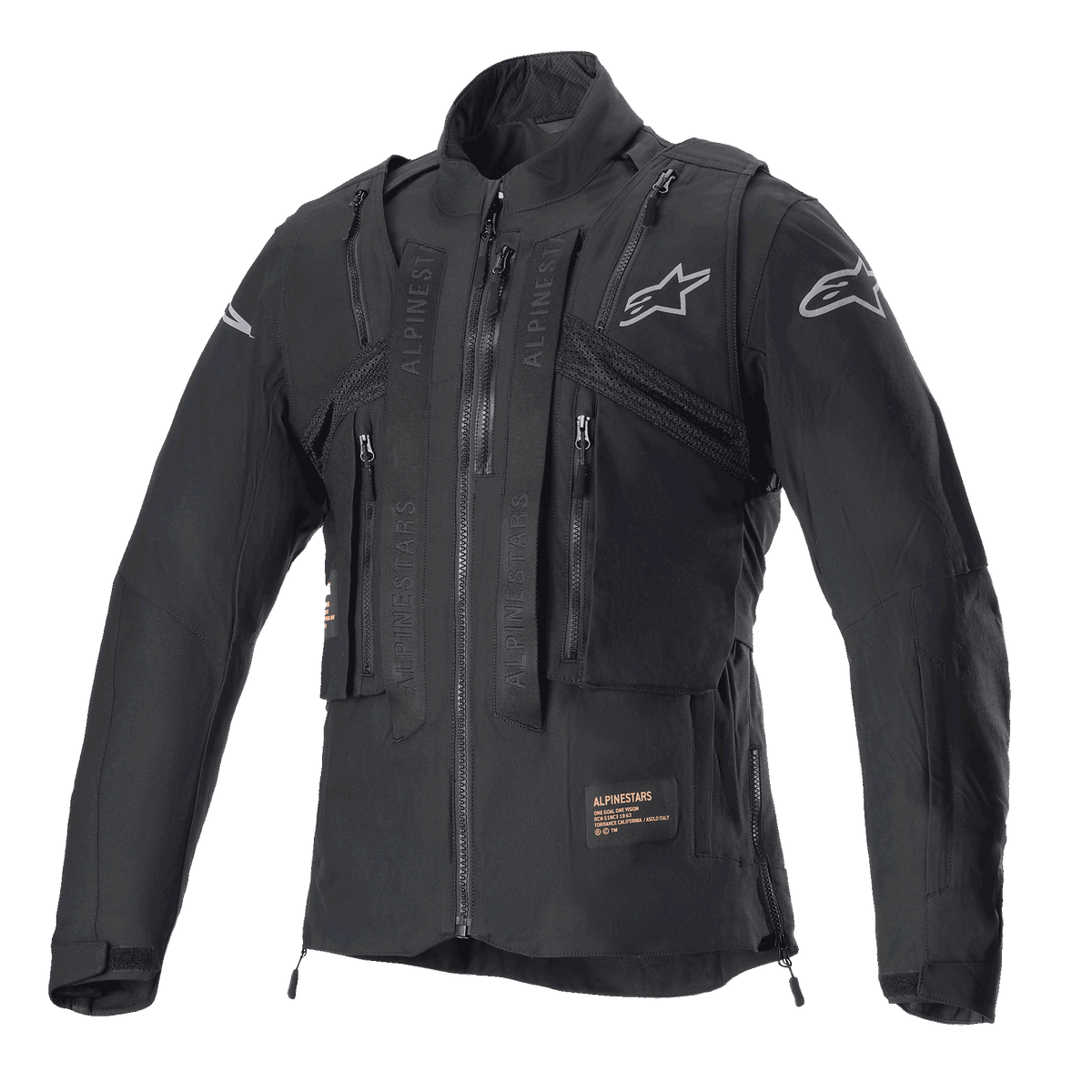
Techdura Jacket -
Techdura Jacket -
Techdura Jacket
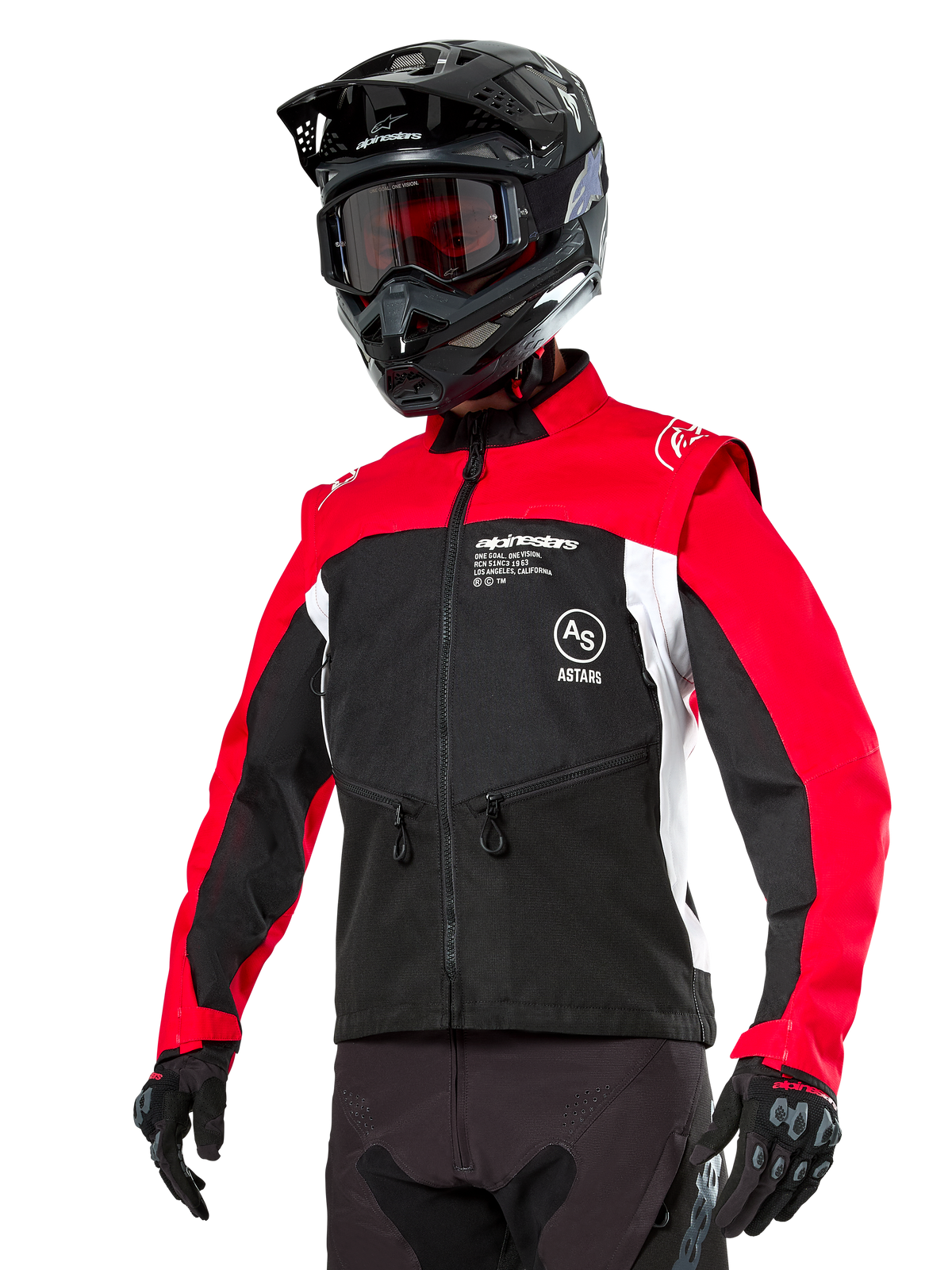


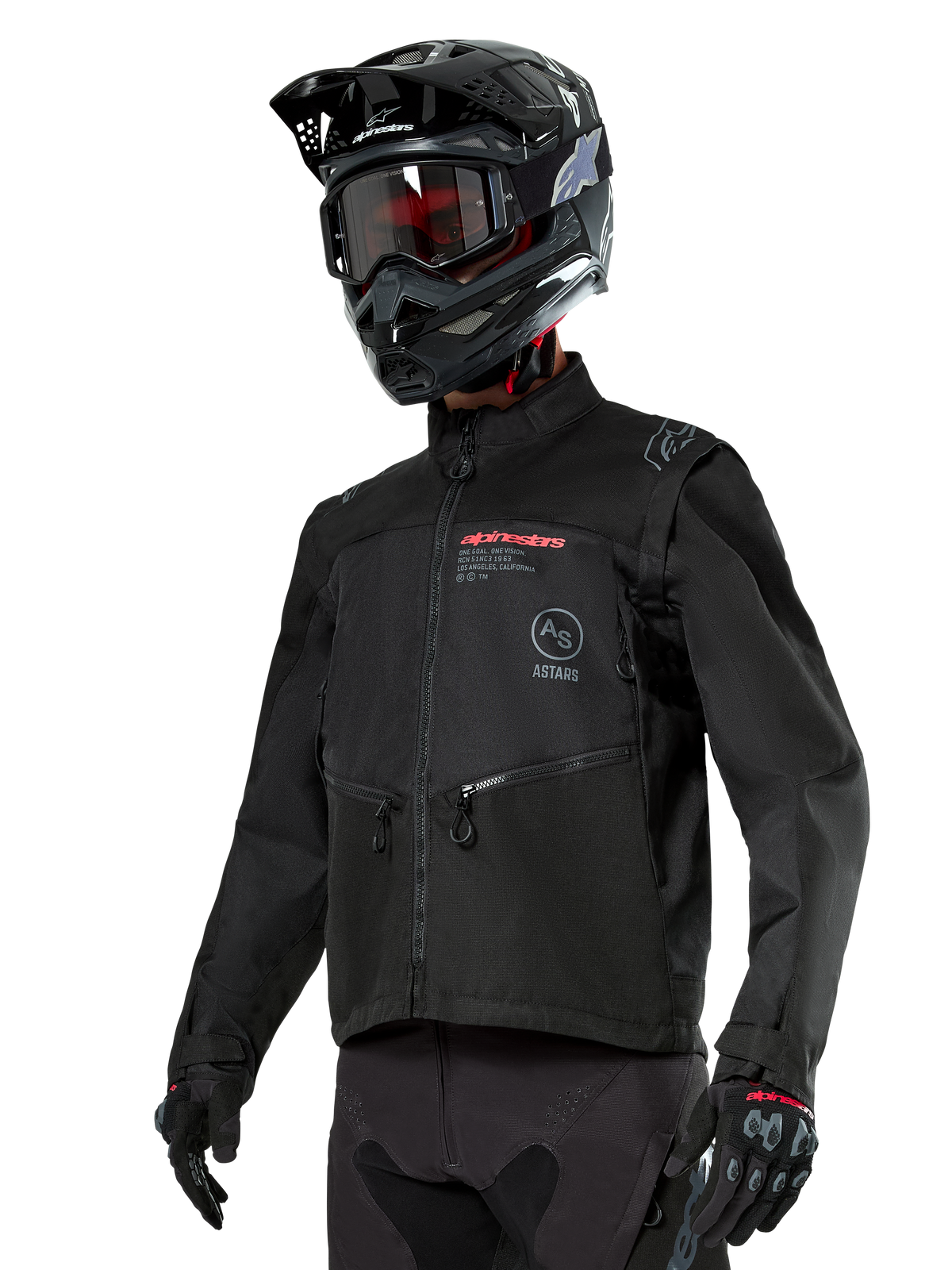
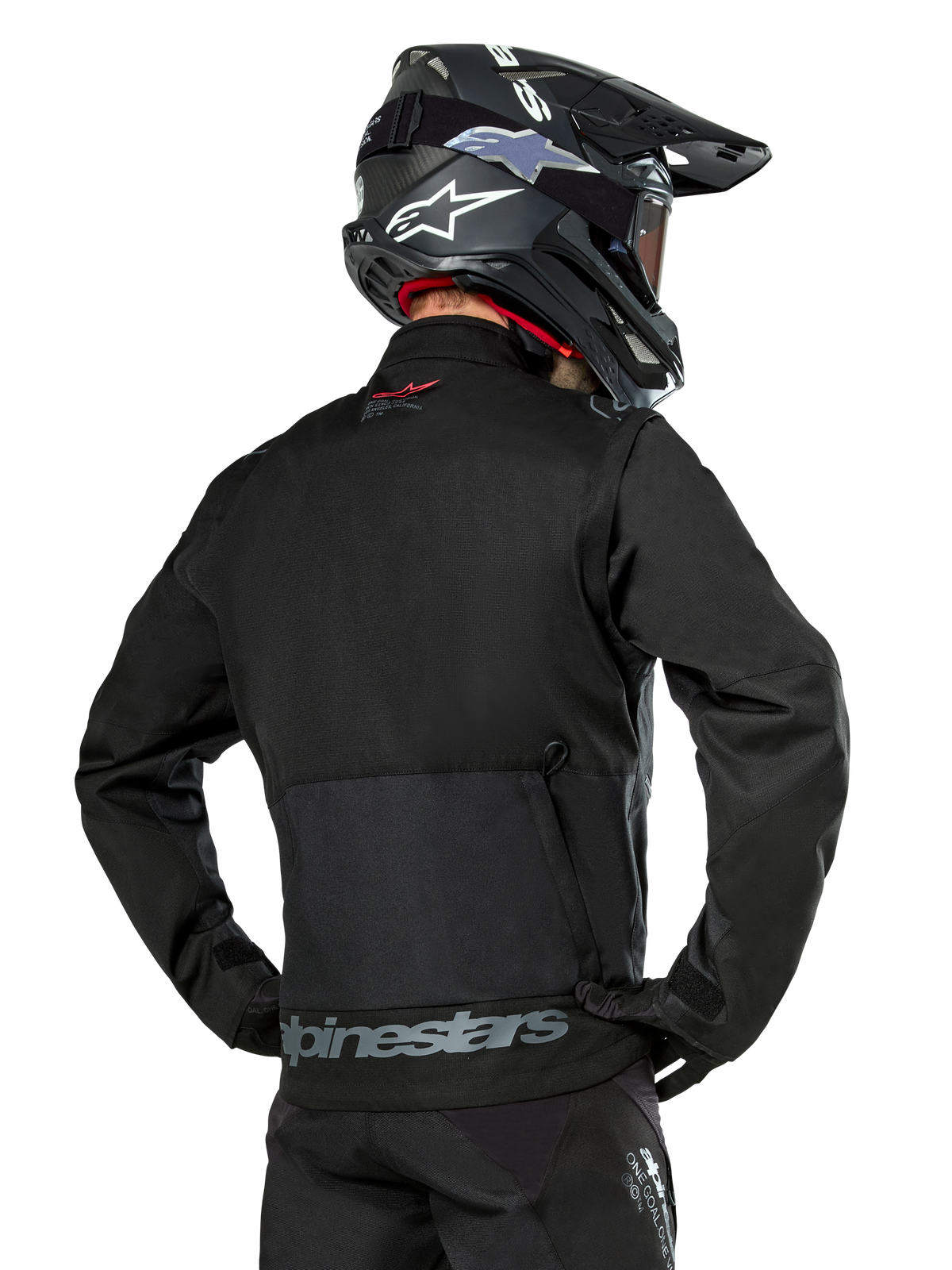
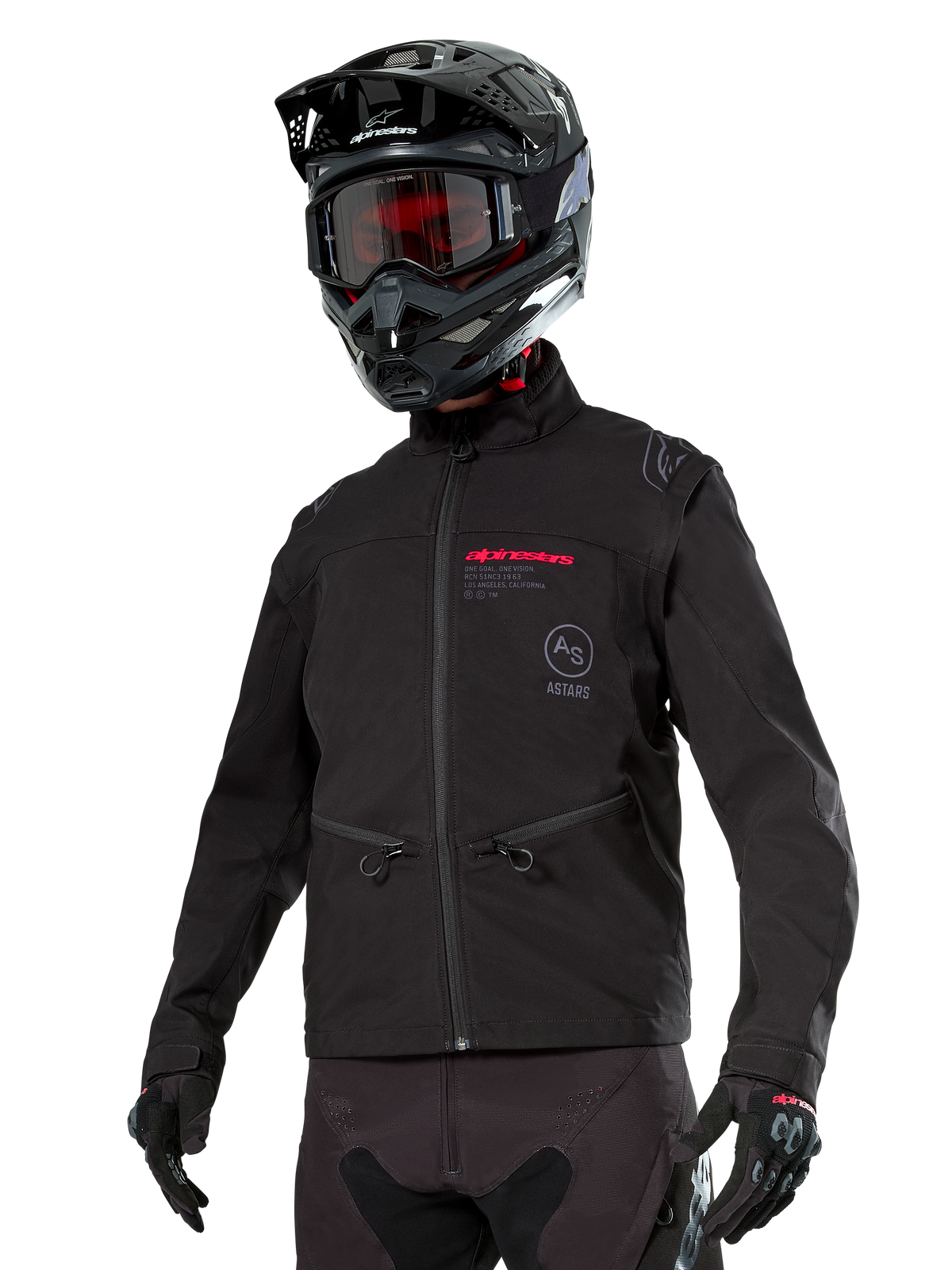






15 of 15 products
All products loaded
Frequently asked questions Hide FAQs
What types of motocross jackets are included in this collection?
This collection typically includes lightweight motocross jackets, softshell off-road layers, and riding vests designed for motocross, enduro, and aggressive trail use. Across the range, the main priorities are mobility, abrasion resistance, airflow, and practical coverage from wind, roost, and light weather.
Compared with street motorcycle jackets, MX jackets are generally lighter and less bulky so they work better in active off-road riding positions. If you are building a full off-road setup, you can also explore MX protection for body armor and impact layers.
How should a motocross jacket fit?
A motocross jacket should fit close enough to stay stable at speed, but not so tight that it restricts movement when standing on the pegs, leaning forward, or reaching for the controls. The sleeves should maintain coverage in a riding position, and the body should allow space for a jersey or technical base layer underneath.
If you plan to wear a chest protector, protection jacket, or neck brace, choose a fit that leaves enough room for those components without excessive bulk. Off-road jackets are best assessed in a riding stance rather than while standing upright.
Can I wear a motocross jacket over body armor or with a neck brace?
Yes, many motocross jackets are intended to work as part of a layered off-road system. Depending on the cut and construction, they may be worn over a roost protector, over a full protection jacket, or with separate upper-body armor for trail and race use.
Neck-brace compatibility is also common in this category, especially where the collar and shoulder area are kept low profile to reduce interference. For riders comparing outer layers with dedicated impact gear, MX protection and MX tech layers are useful companion collections.
Are motocross jackets waterproof and good for cold weather riding?
Motocross jackets are usually designed for breathability, mobility, and off-road weather management rather than full touring-style waterproofing. Many provide useful resistance to wind, light rain, mud, and trail debris, but not every MX jacket is intended for prolonged wet-weather riding.
For cooler conditions, riders often use an MX jacket as an outer layer over a jersey, base layer, or protector. If you need more weather sealing, storage, or long-distance versatility, it may be worth comparing with enduro gear or adventure motorcycle jackets.
What is the difference between a motocross jacket and an enduro or adventure jacket?
A motocross jacket is generally built for lighter weight, greater ventilation, and unrestricted movement during high-output off-road riding. Enduro and adventure jackets usually place more emphasis on extended weather protection, cargo capacity, and versatility for longer rides or mixed terrain.
| Jacket Type | Main Focus | Typical Use |
|---|---|---|
| Motocross jacket | Mobility, airflow, light outer coverage | Track riding, training, aggressive off-road use |
| Enduro jacket | Off-road protection with more utility and weather coverage | Trail riding, technical terrain, longer off-road days |
| Adventure jacket | Weather protection, storage, broader road-to-dirt versatility | Travel, mixed-surface touring, variable climates |
The best choice depends on how much ventilation, protection layering, and weather coverage you need for your riding conditions.
How do I clean and care for a motocross jacket?
Always follow the care label inside the garment first, because materials and constructions can vary across the collection. As a general rule, remove any armor or removable components before cleaning, close zippers and hook-and-loop fasteners, and use mild soap only. Avoid bleach, fabric softener, and direct heat.
Most textile and softshell motocross jackets are best spot-cleaned or washed on a gentle cycle only when the care instructions allow it, then air-dried away from heaters and direct sun. Correct care helps preserve fabric performance, fit, coatings, and compatibility with protective layers.