
43 results
-
Stella C-1 Waterproof Jacket -
Stella C-1 Waterproof Jacket -
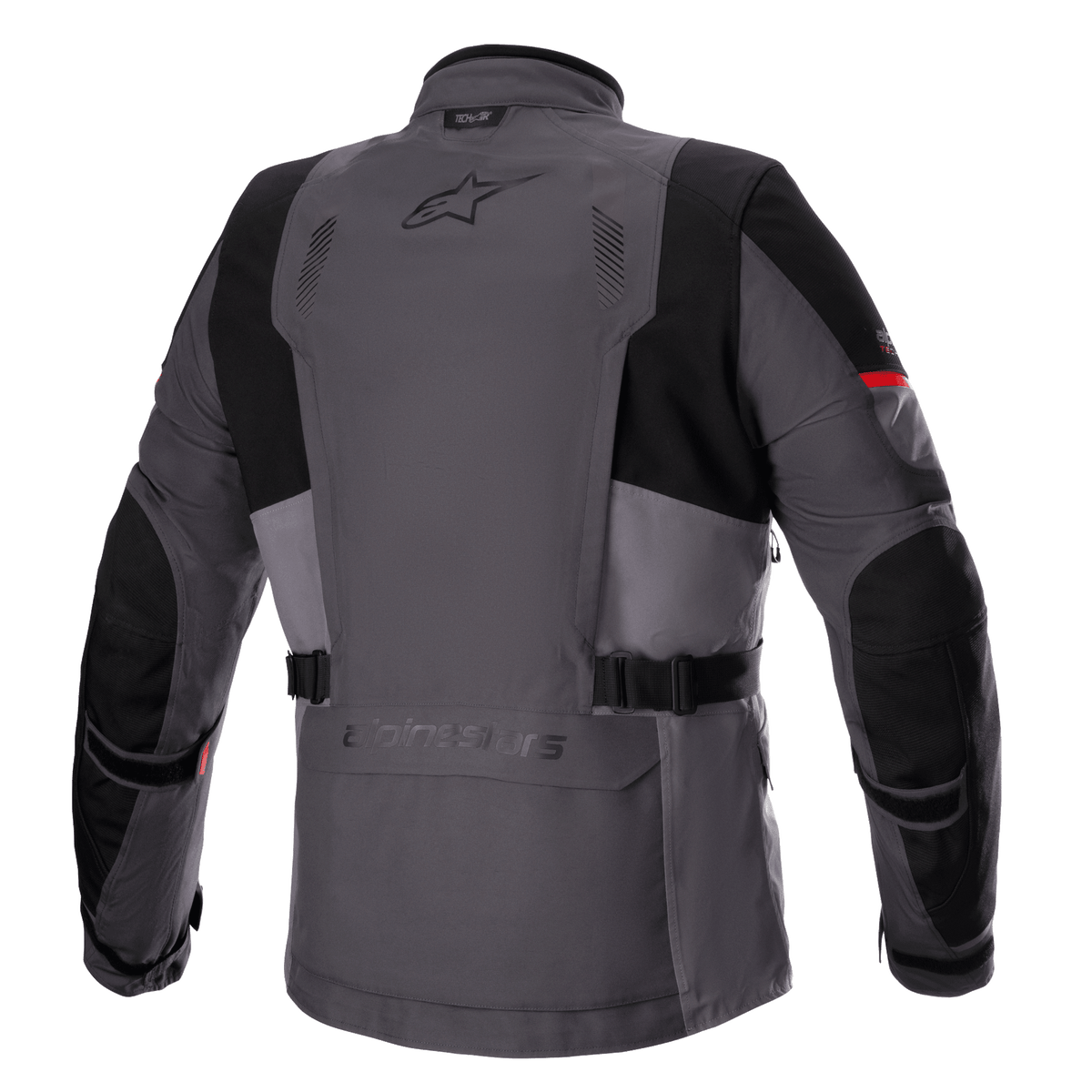
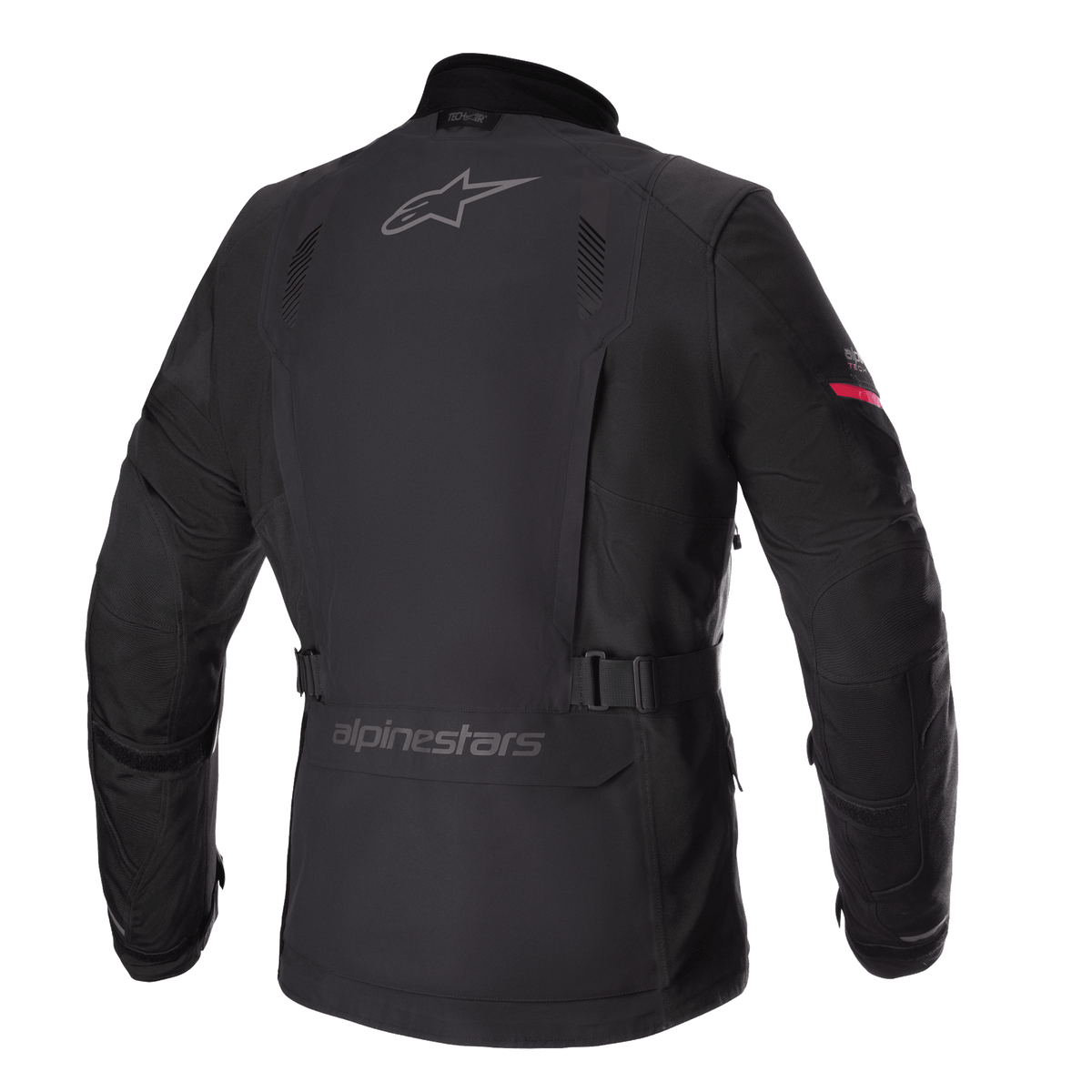
Harok V2 Drystar® Jacket -
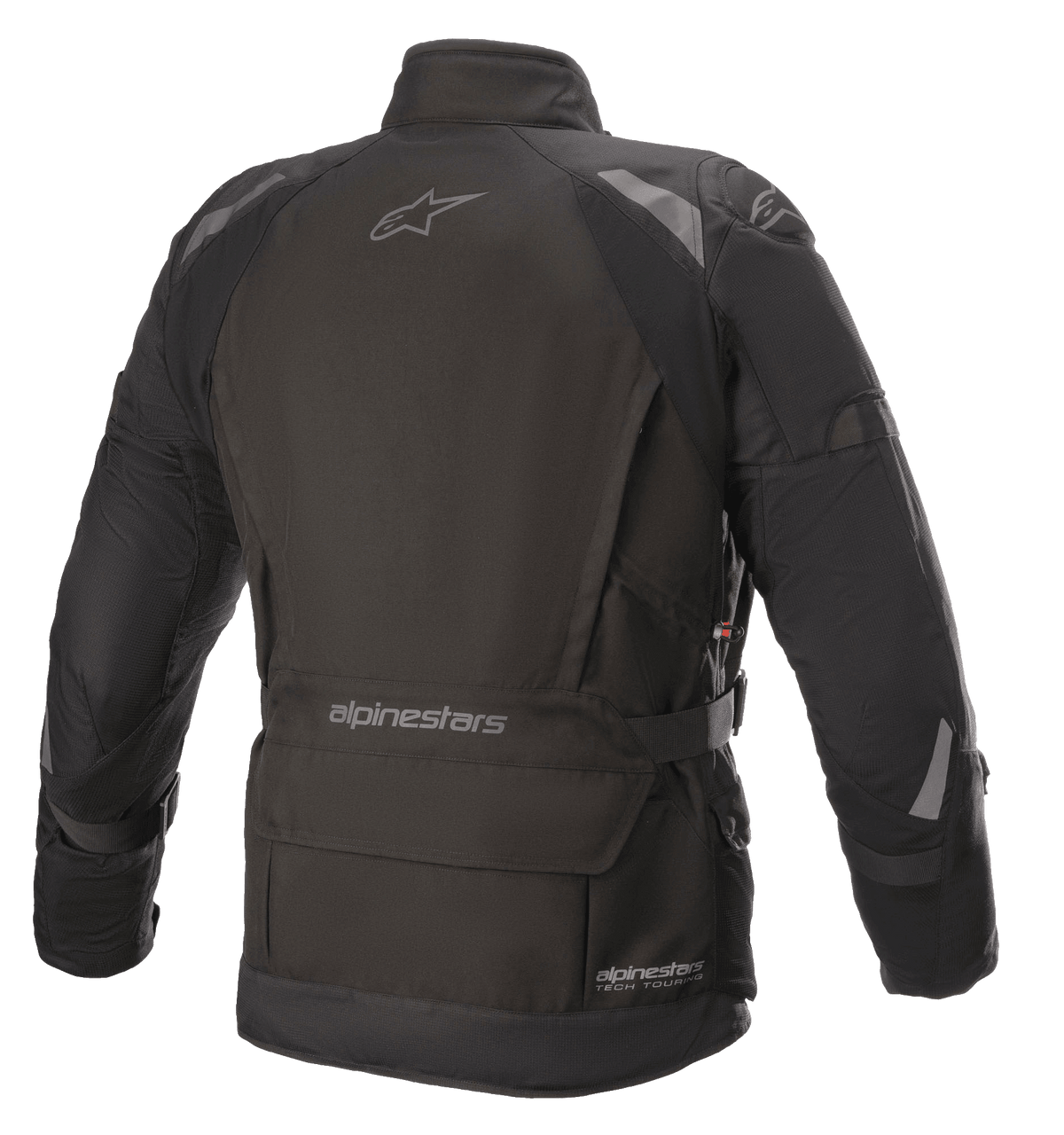
Altan Drystar® Jacket -
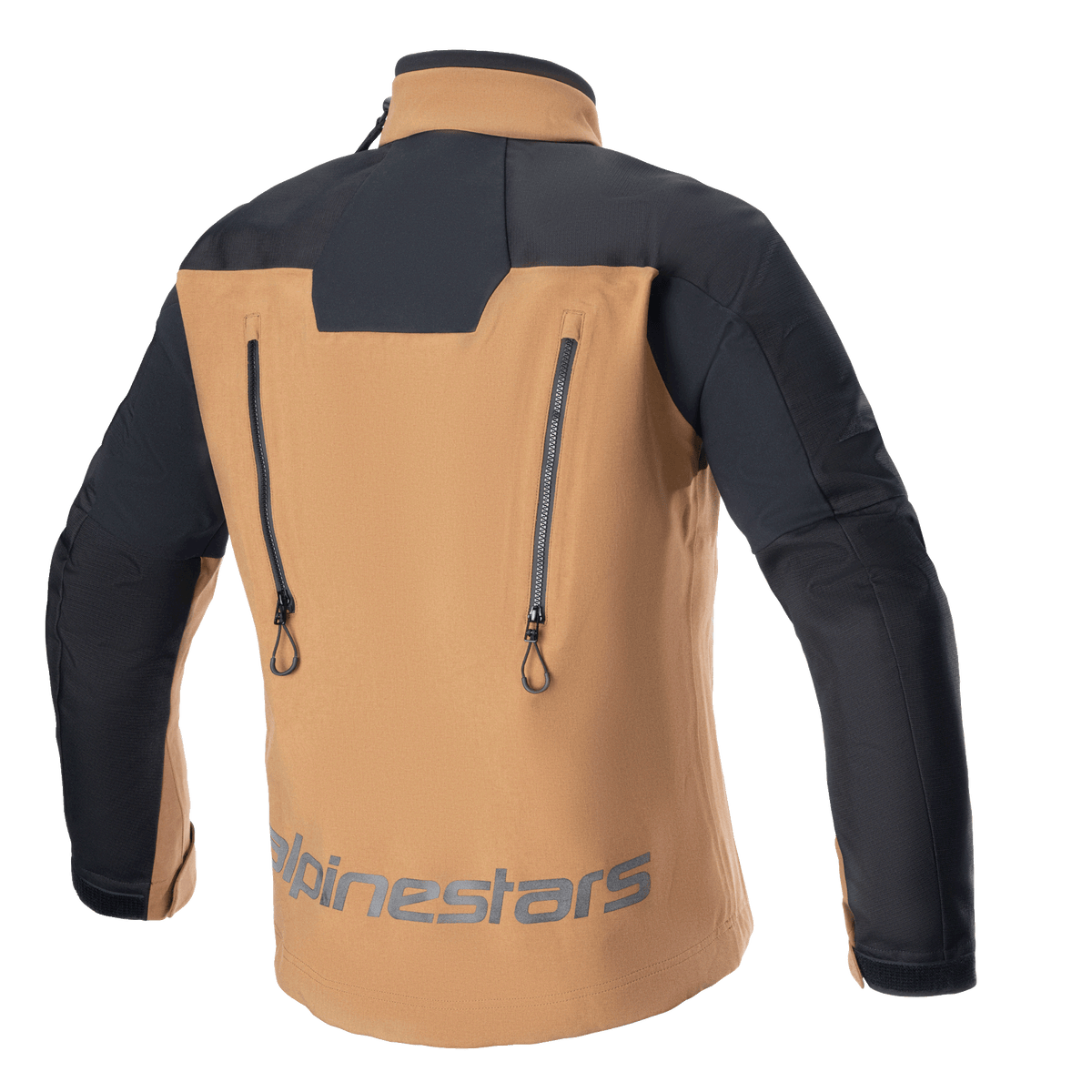
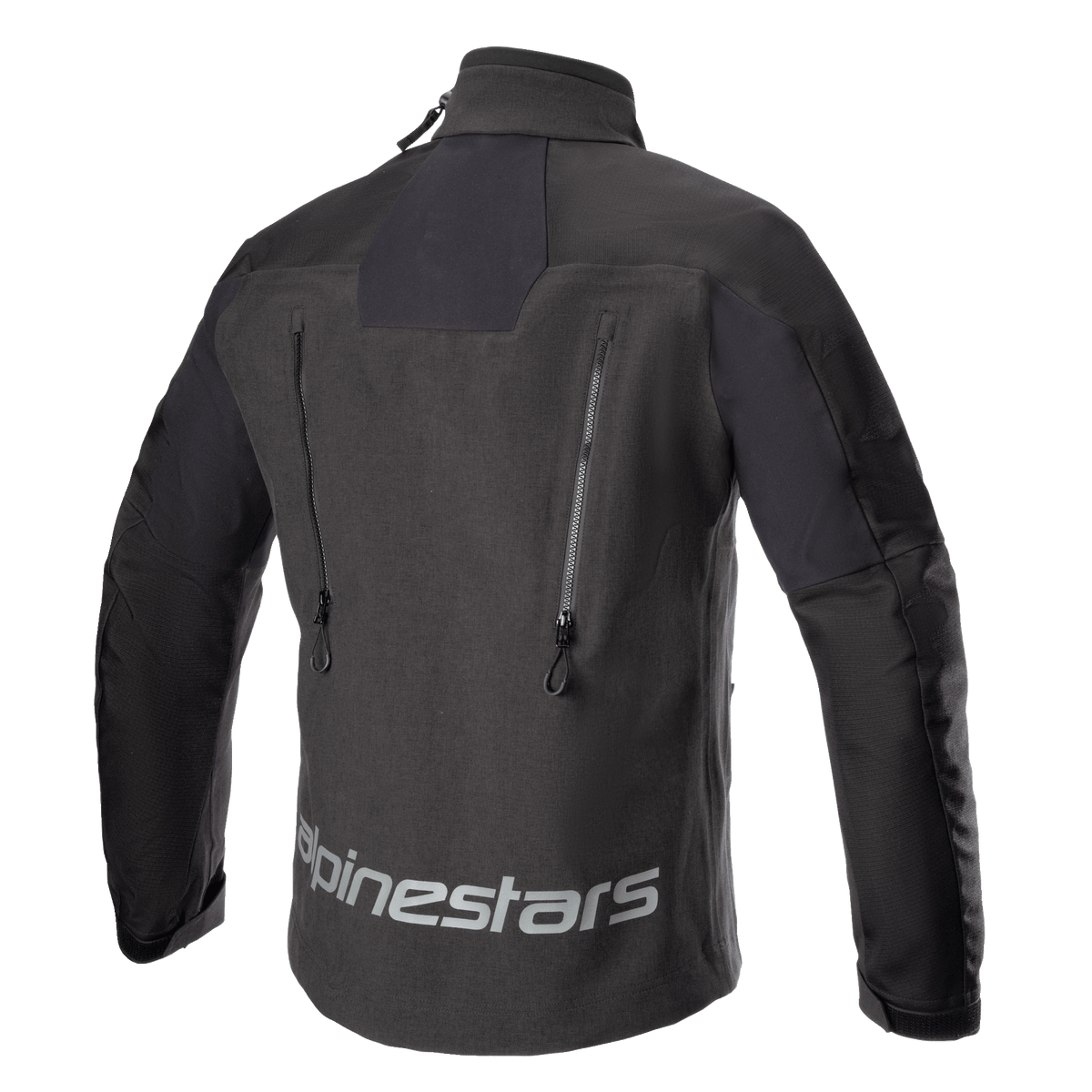
C-1 Waterproof Jacket -
C-5 Drystar® Jacket -
Altan Drystar® Jacket -
C-5 Drystar® Jacket -
C-1 Waterproof Jacket -
C-5 Drystar® Jacket -
C-1 Waterproof Jacket -
Harok V2 Drystar® Jacket -
Harok V2 Drystar® Jacket -
Nazca 3L GORE-TEX PRO Jacket -
Nazca 3L GORE-TEX PRO Jacket -
ST-7 2L GORE-TEX Jacket -
AMT-10LAB Drystar® XF Jacket -
AMT-10R Drystar® XF Jacket -
ST-7 Prime GORE-TEX Jacket -
Valparaiso V3 Drystar® Jacket -
Stella ST-7 2L GORE-TEX Jacket -
Stella ST-7 2L GORE-TEX Jacket -
ST-7 2L GORE-TEX Jacket -
ST-7 2L GORE-TEX Jacket -
ST-7 2L GORE-TEX Jacket -
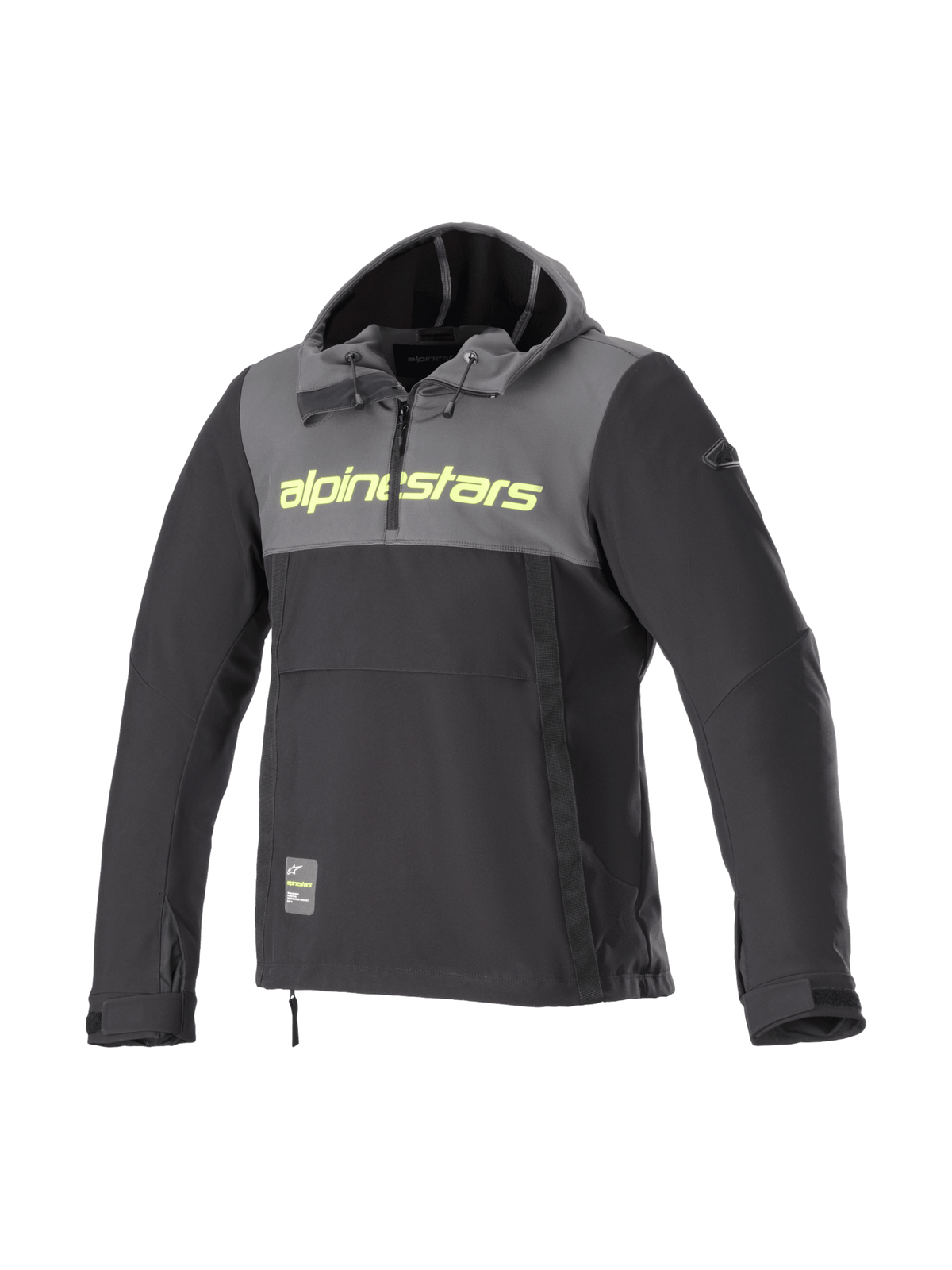
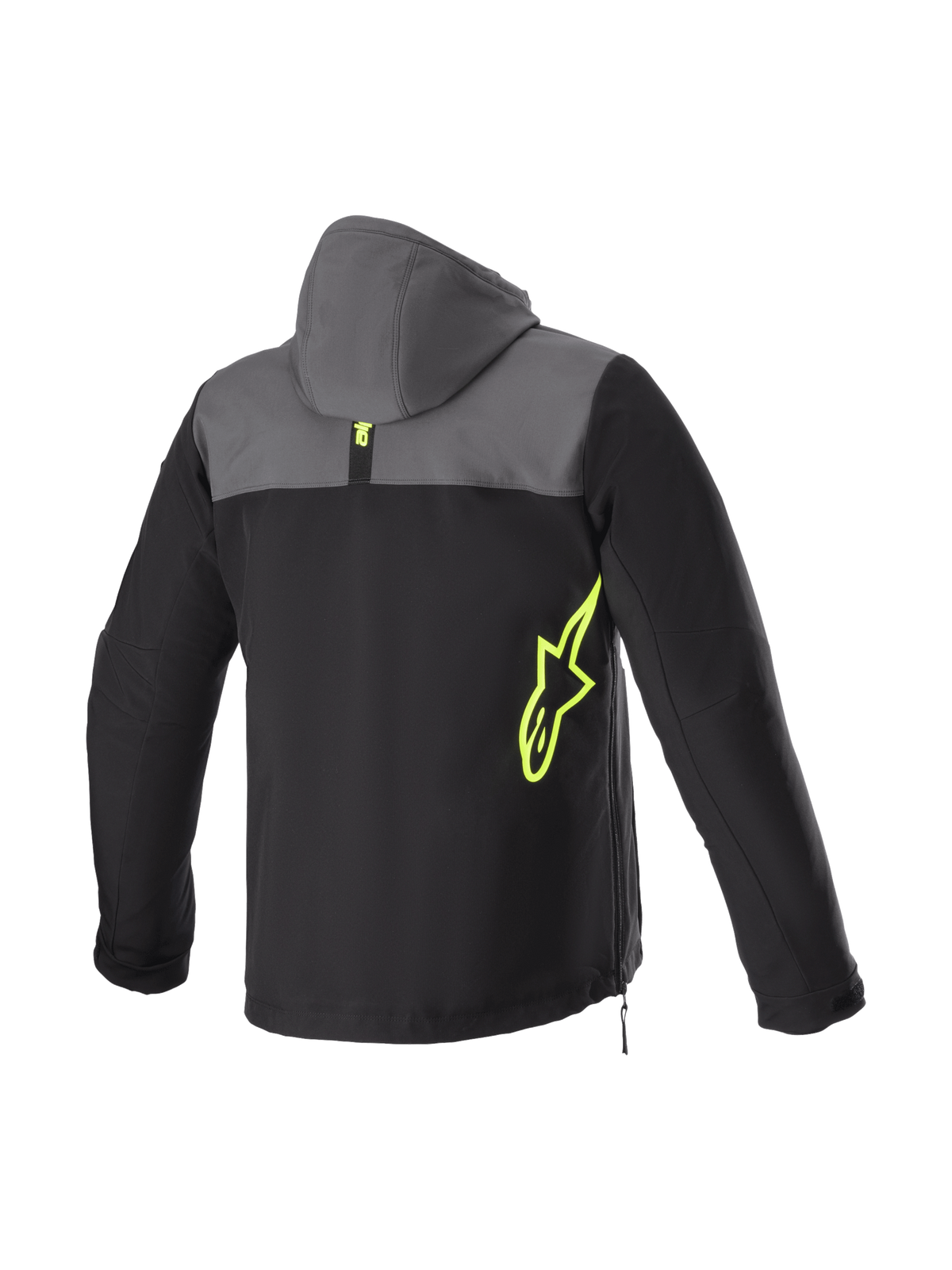
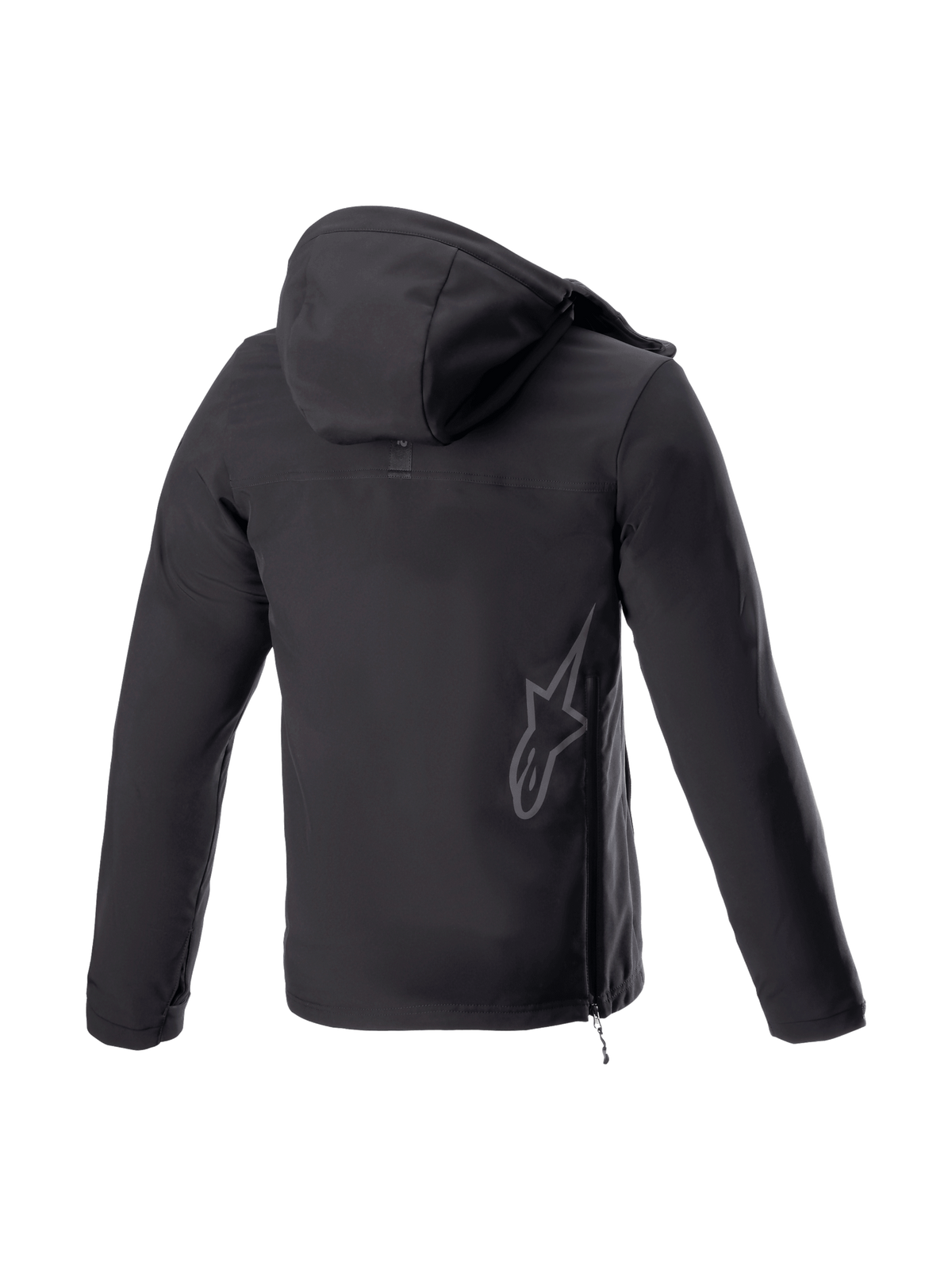
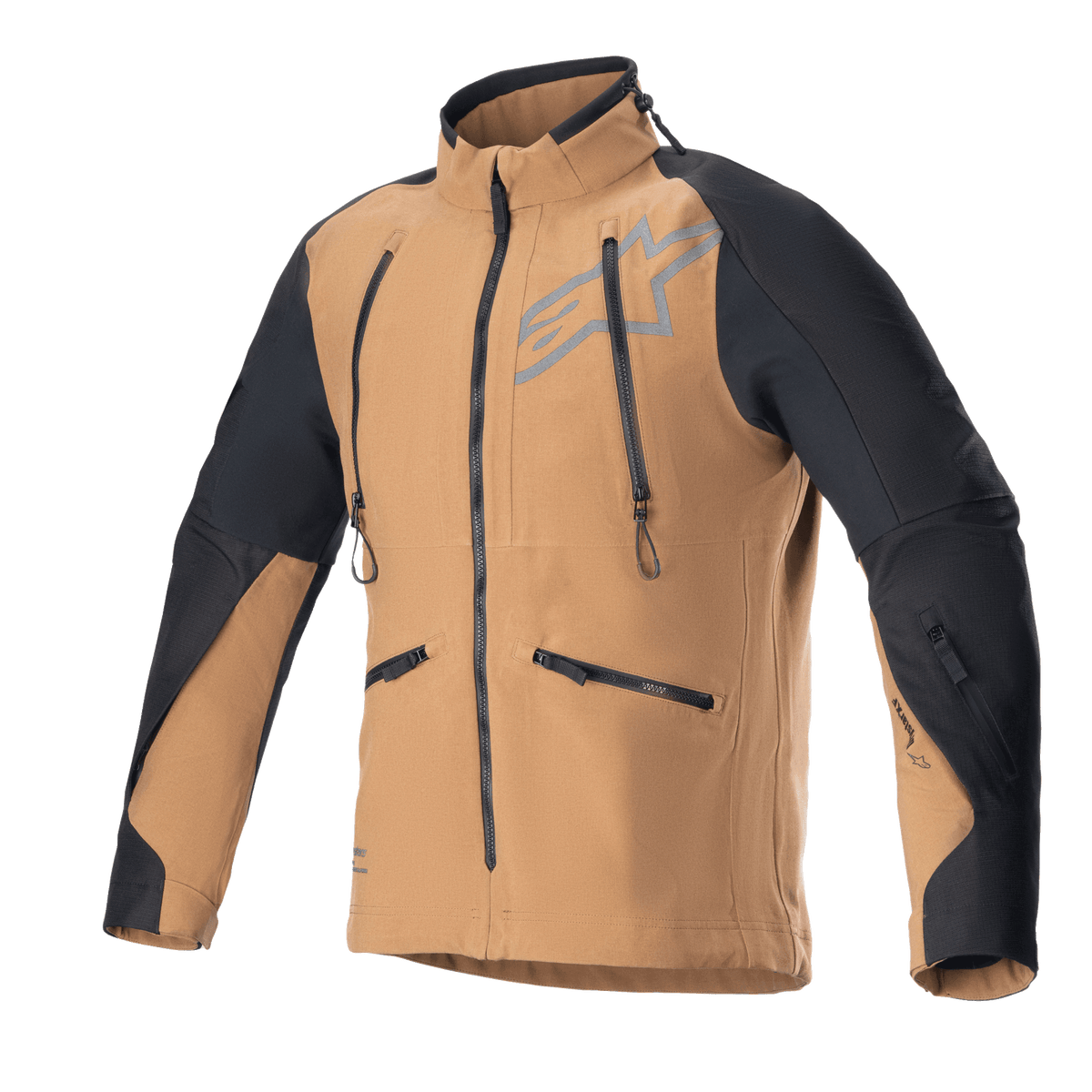
Sherpa Hoodie -
Sherpa Hoodie -
Sherpa Hoodie -
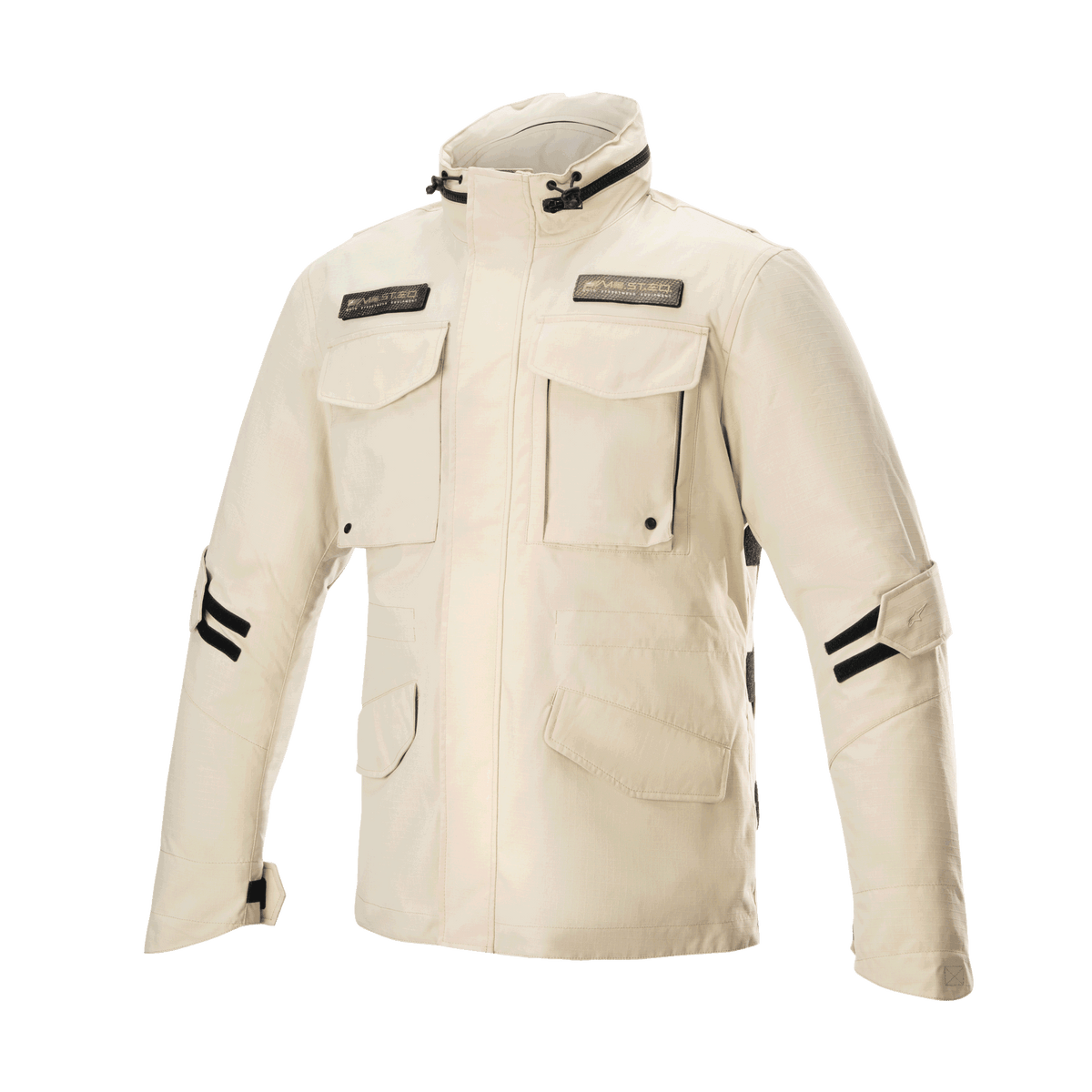
MO.ST.EQ Field Waterproof Primaloft Jacket -
MO.ST.EQ Field Waterproof Primaloft Jacket -
Monteira Drystar® XF Jacket -
Monteira Drystar® XF Jacket -
Monteira Drystar® XF Jacket -
Ketchum GORE-TEX Jacket -
Hyde XT Drystar® XF Jacket -
Hyde XT Drystar® XF Jacket






























Frequently asked questions Hide FAQs
What makes a winter motorcycle jacket suitable for cold-weather riding?
Winter motorcycle jackets are designed to manage three main demands at the same time: wind protection, weather resistance, and impact protection. Across this type of collection, riders typically look for insulated or thermal constructions, waterproof or water-resistant membranes, higher collar coverage, secure cuff closures, and a chassis that still allows freedom of movement in the riding position.
Compared with hot-weather jackets, winter moto jackets generally prioritize warmth and sealing over maximum airflow. Many riders choose this category for commuting, touring, and everyday road use in low temperatures or wet conditions.
Are winter moto jackets waterproof and insulated?
Many winter motorcycle jackets are built around a waterproof or weather-resistant shell combined with thermal insulation or a removable thermal liner. The exact setup varies across the collection: some jackets prioritize full wet-weather performance, while others balance cold-weather comfort with lighter all-season versatility.
If you ride regularly in rain, look for details such as waterproof membranes, storm flaps, tighter cuff and collar closures, and fewer large mesh zones. If your priority is temperature flexibility, removable liners can make it easier to adapt the jacket from deep winter to milder shoulder-season riding.
How should a winter motorcycle jacket fit if I wear layers underneath?
A winter motorcycle jacket should fit close enough to keep the armor stable, but with enough room for a base layer or thermal mid-layer without restricting movement at the shoulders, elbows, and chest. When you are seated on the bike, the jacket should not pull tightly across the back or arms, and the sleeves should still cover the wrists in the riding position.
If you plan to ride in very low temperatures, it helps to think in terms of a layering system rather than simply sizing up too much. For added cold-weather comfort, you can explore motorcycle base & mid-layers. If you are also considering an airbag setup, always confirm compatibility through the Tech-Air compatibility checker.
Do winter moto jackets include CE-certified protection?
Many winter motorcycle jackets include or are designed to accept CE-certified protectors in key impact zones such as the shoulders and elbows. Depending on the jacket, you may also find compatibility for back and chest protection, while some garments are additionally certified as motorcycle protective apparel under the relevant garment standard.
Because protection packages can vary across a collection, the best approach is to check the individual product page for the exact armor included, the CE level, and whether optional upgrades are supported. If you want to compare broader outerwear options, see our textile jackets and road jackets.
How do I wash and care for a winter motorcycle jacket?
Always follow the care label first. As a general rule, remove any detachable liners or protectors if the product instructions allow it, close zippers and hook-and-loop fasteners, and clean the jacket with mild detergent on a gentle cycle or by hand where specified. Avoid bleach, fabric softeners, and high heat, since they can reduce the performance of technical fabrics, waterproof treatments, and insulation materials.
Air-dry the jacket away from direct heat or strong sunlight, and make sure it is fully dry before storage. After repeated winter use, inspect seams, closures, reflective details, and armor pockets for wear so the jacket continues to perform correctly in cold and wet conditions.