
43 results
-
A-Dura Ride Pants -
A-Supra Elite Pants -
A-Dura Ride Pants -
A-Supra Elite Pants -
Youth A-Dura Ride Pants -
A-Dura Elite Pants -
A-Dura Ride Pants -
Stella A-Dura Ride Pants -
A-Dura Ride Pants -
A-Dura Ride Pants -
A-Supra Elite Pants -
A-Dura Elite Pants -
A-Dura Ride Pants -
A-Dura Elite Pants -
A-Dura Pants -
A-Dura Elite Pants -
A-Supra Melt Pants -
A-Aria Elite Pants -
A-Supra Melt Pants -
Limited Edition A-Supra Melt Gold Pants -
A-Aria Elite Pants -
Stella A-Dura Waterproof Pant -
A-Dura Waterproof Pants -
A-Dura Camo Pant -
Stella A-Dura Waterproof Pant -
A-Dura Thermal Pant -
A-Dura Waterproof Pants -
Stella A-Dura Thermal Pant -
A-Supra Race Pants -
Youth A-Dura Pants -
Stella A-Dura Pants -
A-Supra Race Pants -
A-Supra Race Pants -
A-Dura Pants -
A-Dura Pants -
A-Dura Elite Pants












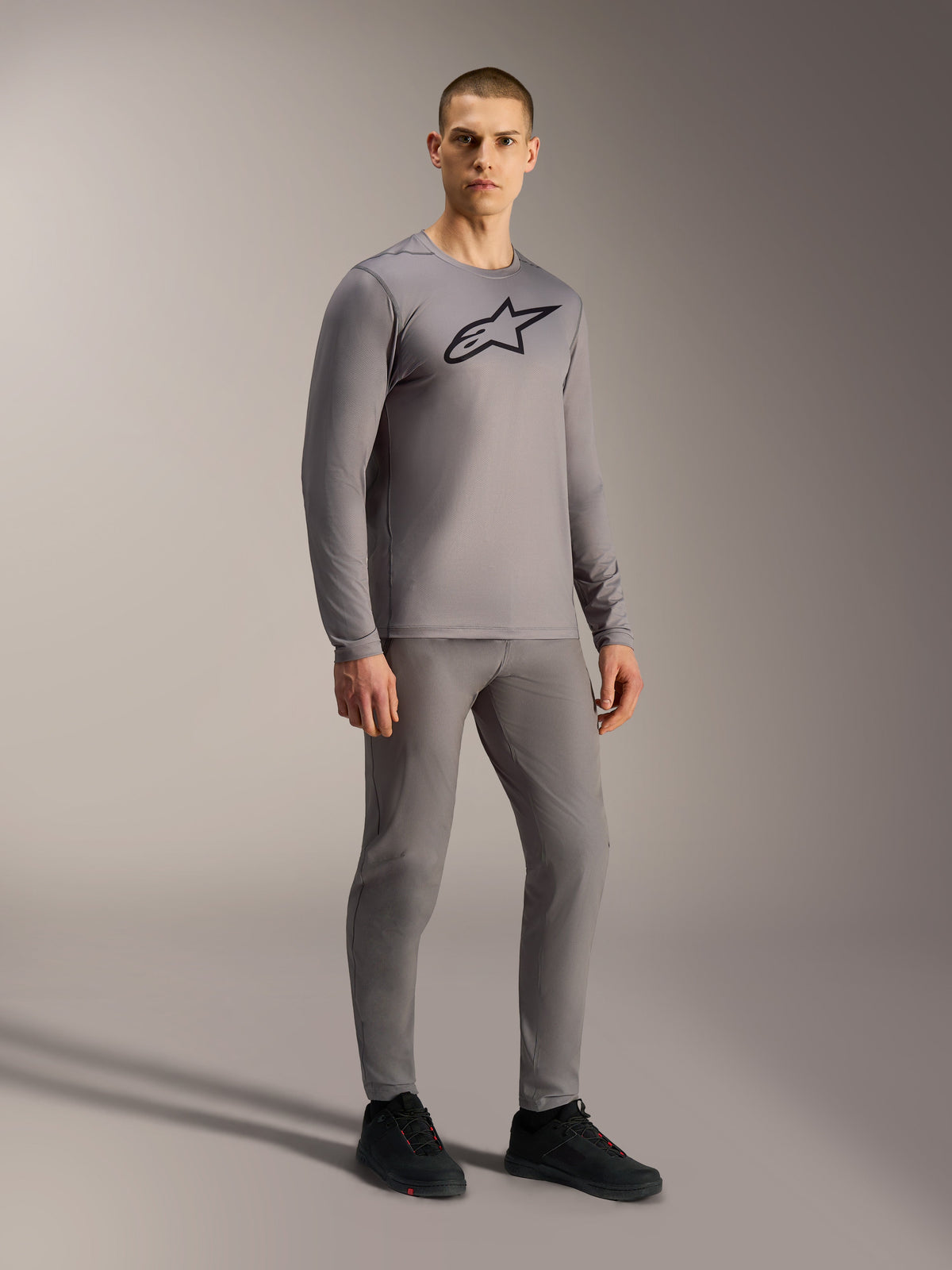
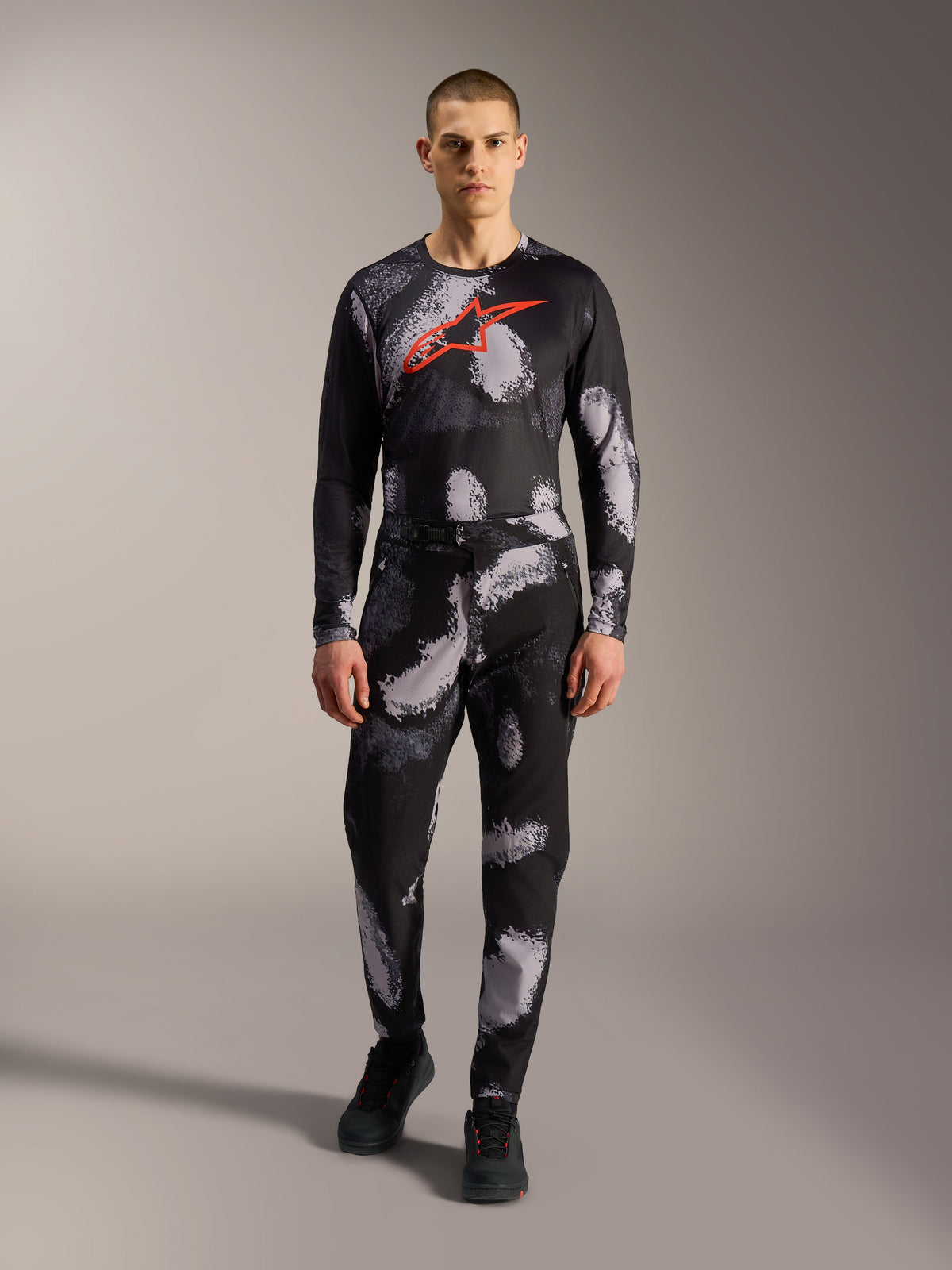
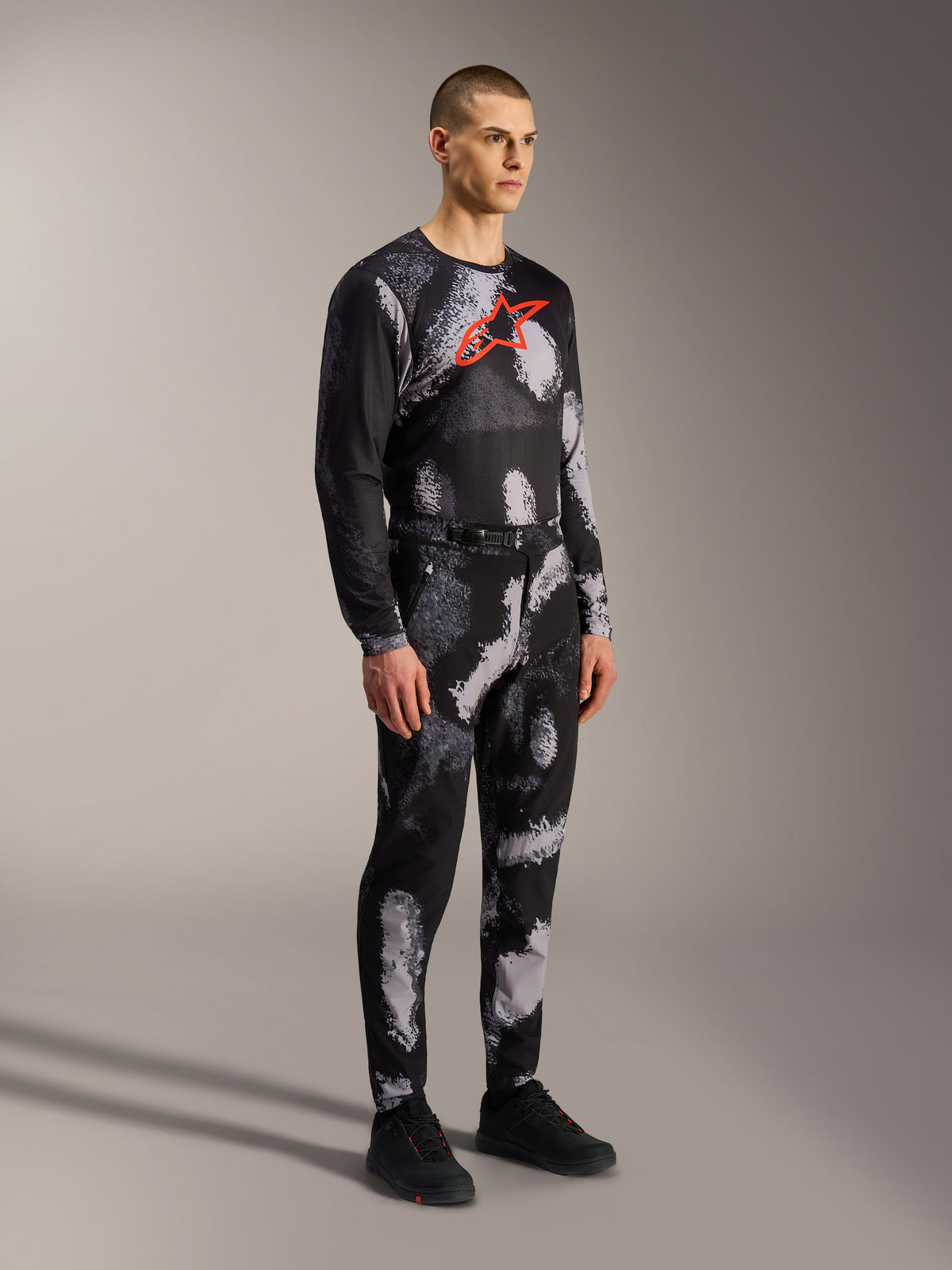

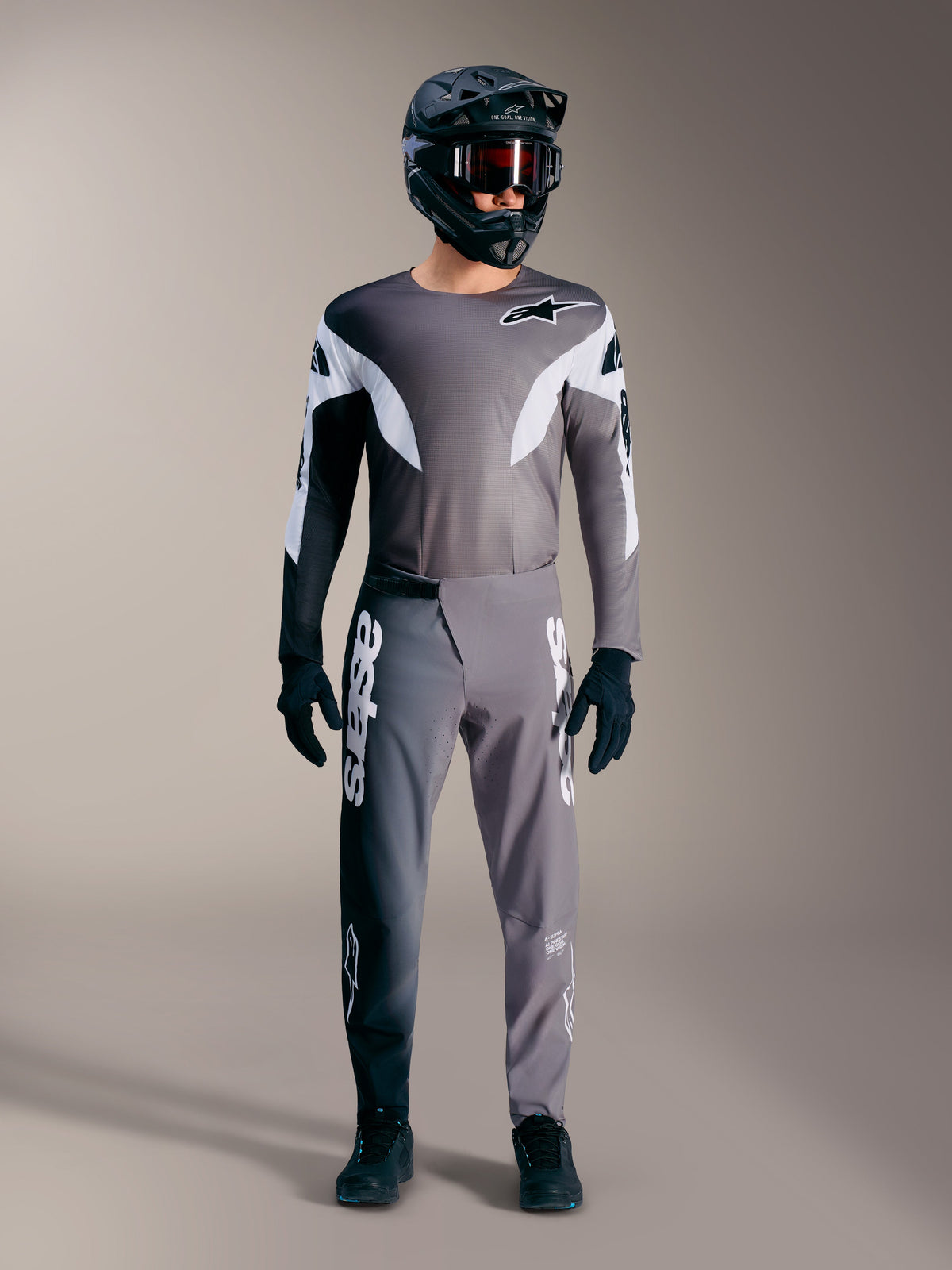






























Frequently asked questions Hide FAQs
What are winter MTB pants designed for?
Winter MTB pants are designed for cold, wet, and muddy trail riding where standard riding pants or shorts do not provide enough weather protection. In this collection, the focus is on keeping riders warmer and drier through a combination of bike-specific patterning, weather-resistant materials, and pedal-friendly mobility.
Compared with lightweight trail pants, winter mountain bike pants typically add more protection against wind, spray, and lower temperatures while maintaining freedom of movement for climbing, descending, and riding in changing conditions.
How should winter MTB pants fit?
Winter MTB pants should fit close enough to avoid snagging or chain rub, but not so tight that they restrict pedaling, layering, or knee movement. A good fit usually feels secure at the waist, articulated through the riding position, and roomy enough through the knees and seat for active trail use.
If you plan to wear a base layer or low-profile knee protection underneath, allow for that when choosing your size. Use the Alpinestars size chart as your starting point and prioritize waist and hip measurements for the most consistent fit.
Are winter MTB pants waterproof or insulated?
That depends on the specific construction within the collection. Some winter MTB pants prioritize waterproof or highly weather-resistant protection for wet rides, while others focus more on thermal comfort with fleece-lined or insulated-style constructions for cold, dry conditions.
In practical terms, waterproof pants are the better choice for sustained rain, slush, and heavy spray, while thermal pants are often preferred for cold-weather riding where breathability and warmth matter more than full storm protection. If you ride across mixed conditions, look for the balance of weather protection, breathability, and mobility that best matches your climate.
Can I wear winter MTB pants with knee pads or base layers?
Yes. Winter MTB pants are generally intended to work with common cold-weather layering systems and low-profile trail protection. A bike-specific cut, pre-shaped leg construction, and adjustable waist design help the pants move naturally over base layers and many knee pad setups.
For the best result, pair them with slim thermal layers rather than bulky casual clothing, and check that your knee protection does not create tight spots when seated or pedaling. If you need additional cold-weather layering, browse our cycling base layers for compatible underlayers.
How do I wash and care for winter MTB pants?
Wash winter MTB pants according to the care label, especially if they use waterproof coatings, membranes, or thermal liners. In general, close zips and fasteners, wash on a gentle cold cycle with mild detergent, and avoid bleach, fabric softener, and high heat, as these can reduce fabric performance over time.
Air-drying is the safest option for maintaining waterproof treatments, stretch fabrics, and bonded linings. After muddy rides, rinse off heavy dirt before washing so abrasion from dried mud does not prematurely wear the fabric.